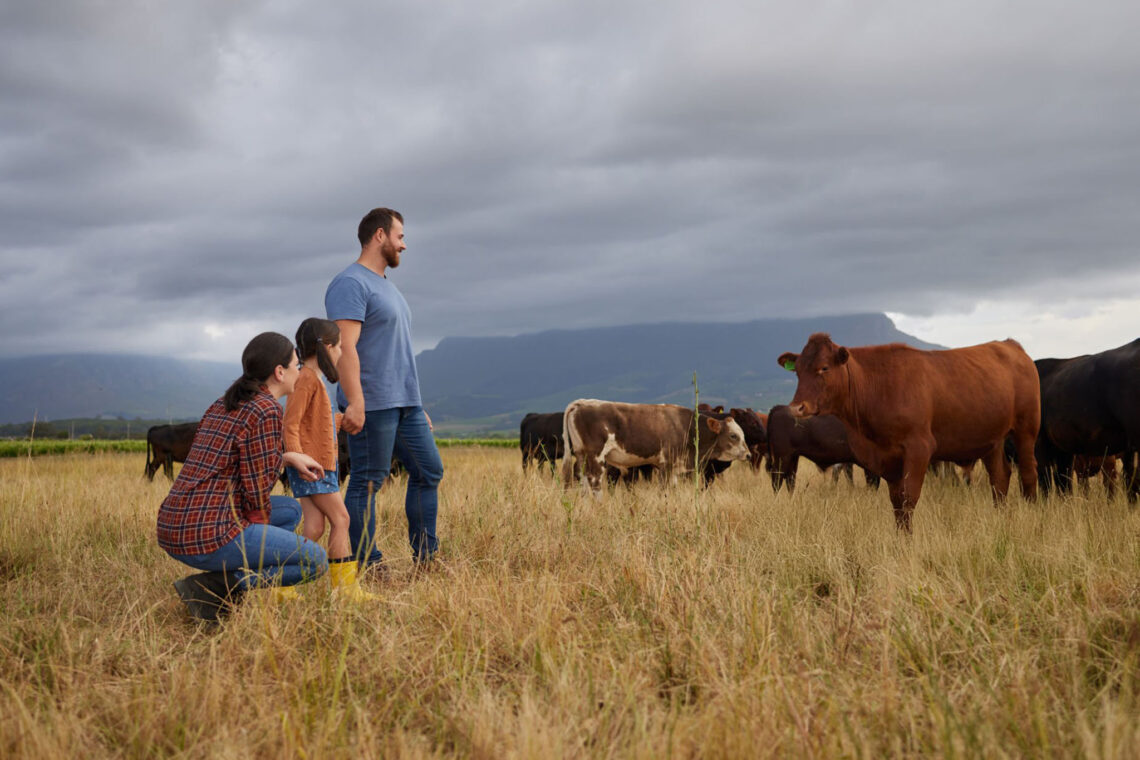
Pasture Rotation in September: Resting Fields for Strong Spring Growth
As summer winds down and cooler nights start rolling in, many ranchers shift their attention from active grazing management to long-term forage health. September is a pivotal month for pasture rotation. The way you manage your fields now will directly influence how quickly and strongly they bounce back in spring.
By resting pastures strategically and keeping livestock nutrition balanced, you not only protect your soil and forage but also set up your herd for steady, sustainable grazing next year.
Why September Pasture Rotation Matters
Late summer and early fall are critical because:
- Forage plants are storing energy in their roots to survive winter. Overgrazing now depletes reserves, weakening regrowth.
- Soil structure and root systems need recovery time. Rested fields resist erosion and compaction during wet winter months.
- Cool-season grasses are preparing for a growth surge in early spring. Allowing them to recover ensures lush, dense forage when you need it most.
In short, every decision you make in September determines whether you’ll have thin, stressed pastures or strong, productive fields next season.
Signs a Pasture Needs Rest
Not all fields require the same rest schedule, but there are clear indicators that a rotation is overdue:
- Short plant height (under 3–4 inches for most grasses).
- Visible bare soil patches where plants can’t recover.
- Livestock grazing regrowth immediately after it appears.
- Decline in desirable species like orchardgrass or fescue, replaced by weeds.
If you spot these red flags, it’s time to pull animals off and let the field recover.
Creating a September Rotation Plan
A smart September rotation plan balances forage recovery, soil protection, and livestock nutrition.
1. Identify Fields to Rest
- Select 20–30% of your pasture acres to rest for the remainder of fall.
- Prioritize fields showing signs of stress or heavy summer use.
- If you have limited acreage, use temporary fencing to exclude certain paddocks.
2. Shift Grazing Pressure
- Move livestock onto sturdier pastures with deep-rooted forages that can handle late-season grazing, such as alfalfa-grass mixes or established cool-season stands.
- Use sacrifice paddocks (fields designated for heavy use) to preserve high-value pasture areas.
3. Monitor Grazing Heights
- Maintain 3–4 inches minimum stubble height on cool-season grasses like ryegrass, fescue, and bluegrass.
- For legumes like clover or alfalfa, keep 2–3 inches of growth intact to protect crowns over winter.
4. Supplement Livestock Diets
As forage growth slows, livestock nutritional needs may exceed pasture supply. Provide:
- High-quality hay to offset lower protein levels in mature grasses.
- Mineral blocks or supplements tailored for fall grazing.
- Rotational access to prevent animals from overgrazing one field.
The Role of Rest in Spring Growth
Resting fields now builds stronger forage in spring. Here’s why:
- Root reserves remain intact, fueling rapid green-up when temperatures rise.
- Healthy plant crowns survive winter moisture and frost damage better.
- Thicker stands suppress weeds, reducing herbicide costs.
- Improved soil cover prevents erosion and enhances moisture retention for spring.
Think of September rest as depositing “forage savings” into the soil bank. The more you save now, the more you’ll have to withdraw when your herd needs fresh pasture in April or May.
Extra Tips for September Pasture Care
- Overseed bare spots: September soil temperatures are perfect for establishing ryegrass, orchardgrass, or clover.
- Control weeds before winter: Remove thistles, ragweed, and other invasive plants while they’re still vulnerable.
- Check fencing: Strong barriers keep rested fields off-limits until spring.
- Track pasture usage: Keeping notes on which paddocks were rested this fall will help you balance rotation schedules next year.
Final Thoughts
Pasture rotation in September isn’t just about moving cattle or sheep to a new field—it’s about building resilience into your land and livestock operation. By resting tired fields, supplementing your herd as needed, and protecting root systems, you’ll ensure that come spring, your pastures are ready to provide abundant, nutritious forage.
Strong spring growth doesn’t happen by chance. It begins with smart September management.