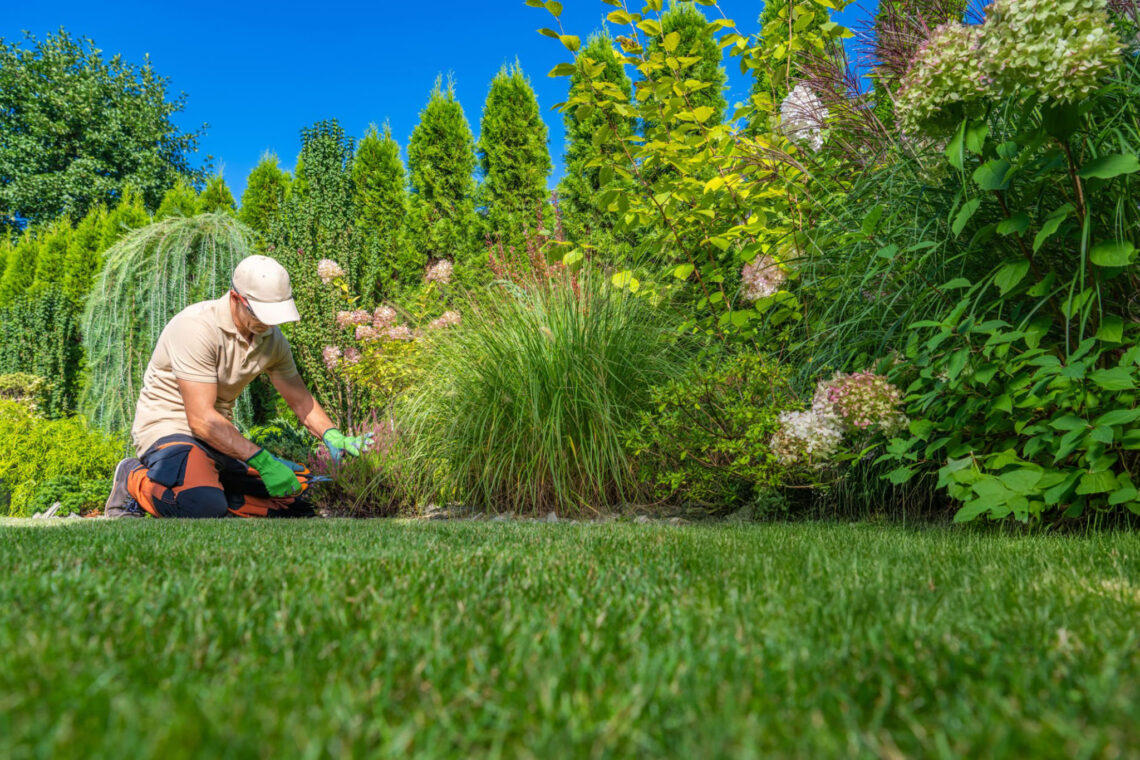
September Weeding Guide: Stop Invasives Before They Spread
As summer fades and fall approaches, many gardeners shift their focus toward harvesting, mulching, and preparing beds for winter. But September holds another crucial task: weeding. While it may feel like the growing season is winding down, invasive weeds are far from done. In fact, early fall is one of the most important times to tackle them. Left unchecked, they’ll drop seeds, establish roots, and make your life much harder come spring. By dedicating time to weeding in September, you protect your soil, reduce competition for perennials and crops, and set yourself up for a healthier garden next year.
Why September Weeding Matters
Weeds don’t respect the gardening calendar. Many invasive species thrive in cooler weather, and some even release seeds in late summer and early fall. If those seeds settle into your soil now, you’ll face an explosion of weeds next season.
Key reasons to weed in September:
- Prevent seed spread: Pulling weeds before they go to seed stops thousands of new plants from germinating.
- Ease of removal: Cooler, moist soil after late-summer rains makes weeds easier to pull.
- Reduce spring workload: Every weed you stop now is one you won’t have to battle later.
- Protect perennials: Removing competition gives your ornamentals and shrubs better energy reserves going into winter.
Common September Weeds to Watch
Different regions will see different culprits, but these weeds are especially aggressive in early fall across much of the U.S.:
- Crabgrass: A summer annual that produces a massive number of seeds by September.
- Ragweed: Infamous for triggering allergies, ragweed also drops abundant seeds if left alone.
- Bindweed: This perennial spreads underground and aboveground—cutting it back now reduces its reach.
- Chickweed and henbit: Cool-season annuals that germinate in fall and thrive through winter.
- Thistle: Prickly and persistent, thistles spread quickly if not dug out before seeding.
Best Weeding Techniques for Fall
Pulling weeds isn’t just about yanking plants from the ground—it’s about ensuring they don’t come back. September weeding should be methodical, focusing on both above- and below-ground control.
- Pull before seeds drop
Check for seed heads and remove weeds before they scatter. Bag and dispose of them instead of composting, unless your compost pile gets hot enough to kill seeds. - Dig deep for perennials
For stubborn invaders like bindweed or dandelions, use a weeding tool to extract as much of the root as possible. Even small fragments can regrow. - Mow or cut tall weeds
In pastures or larger areas, mowing weeds like ragweed or goldenrod before they seed is an effective control measure. - Mulch immediately after
Once beds are cleared, apply a layer of fall mulch (chopped leaves, straw, or bark) to suppress late-season germination. - Use targeted herbicides sparingly
If invasive perennials can’t be controlled by hand, fall is a good time for spot treatments, since plants are storing energy in their roots. Always apply carefully to avoid harming desirable plants.
Preventing Future Weed Problems
Weeding in September isn’t just about this season—it’s about setting yourself up for fewer headaches next year. Pair your efforts with prevention strategies:
- Cover bare soil: Weeds thrive in open ground. Use cover crops like rye or clover, or apply organic mulch.
- Thicken turfgrass: In lawns, overseeding in fall helps crowd out weeds naturally.
- Rotate beds: Crop rotation can disrupt the cycle of weeds tied to specific plants.
- Improve soil health: Healthy, well-fed plants compete better against invasive species.
Weeding for Gardeners and Ranchers
Weeds aren’t only a backyard problem—they also affect pasture and livestock operations. Invasive species reduce forage quality, spread aggressively, and even pose toxicity risks to animals. September pasture management should include:
- Mowing before weeds seed.
- Rotational grazing to prevent overgrazing (which favors weeds).
- Spot-treating invasives like thistles and ragweed.
Final Thoughts
Weeding may not be the most glamorous gardening task, but in September it’s one of the most impactful. By tackling weeds before they spread seed and strengthen roots, you save yourself hours of work and frustration in spring. Think of it as investing a little time now for a cleaner, healthier, and more productive garden—or pasture—next year.
Don’t let invasives get the upper hand this fall. Arm yourself with gloves, tools, and a strategy, and make September your most effective weeding month yet.

