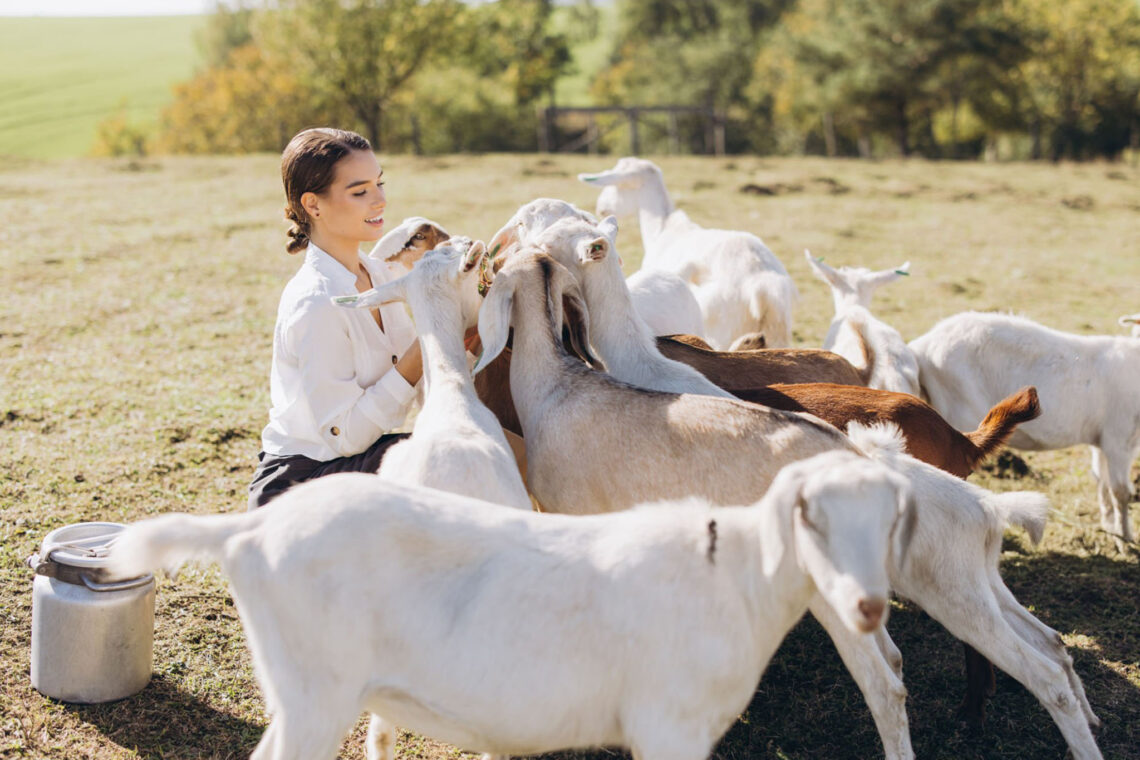
Supplement Feeding in Autumn: When and What to Provide
Autumn is a critical time for livestock nutrition. As pastures begin to slow their growth and forage quality declines, animals may not get all the nutrients they need from grazing alone. Proper supplement feeding in autumn ensures livestock maintain body condition, supports immune function, and prepares them for the stresses of winter. Understanding when and what to provide is essential for both herd health and long-term pasture productivity.
Why Autumn Supplement Feeding Matters
By late summer and early fall, most pastures have matured, and the protein and energy content of grasses and legumes begins to drop. Cooler nights and shorter days also reduce forage growth, which can limit the amount of fresh grazing available.
Supplement feeding during this period helps to:
- Maintain body condition before winter, especially for pregnant or lactating animals.
- Support immune health as animals face increased exposure to cold and stress.
- Prevent overgrazing of fall pastures, allowing plants to rest and store energy for the next season.
When to Start Supplement Feeding
Timing is key to effective autumn supplementation. Signs that your livestock may need extra nutrition include:
- Declining pasture availability: Forages under 3–4 inches high or heavily mature.
- Dropping body condition scores: Animals losing weight or showing poor coat quality.
- Pregnancy stage: Last trimester for cows, ewes, or does is critical for fetal growth.
Many producers begin supplement feeding in early to mid-September, adjusting based on pasture quality and animal condition. Regular monitoring of both forage and livestock is essential.
Types of Supplements
Choosing the right supplement depends on your herd’s needs and the nutritional gaps in available forage. Common options include:
1. Energy Supplements
- Grain mixes like corn, oats, or barley provide extra calories when pasture energy is low.
- High-fat pellets can help maintain body condition in colder weather.
2. Protein Supplements
- Soybean meal or alfalfa pellets boost protein intake, supporting growth, lactation, and immune function.
- Legume hay or cubes can also improve digestible protein content.
3. Mineral and Vitamin Supplements
- Free-choice mineral blocks or loose minerals ensure animals get essential macro- and trace minerals.
- Vitamin supplementation (A, D, E) may be necessary when grazing on mature, low-quality forage.
4. Forage Substitutes
- Bale grazing or hay feeding can supplement pasture when forage availability drops.
- Silage may be used to maintain intake and fiber levels in ruminants.
How to Feed Supplements Safely
Proper delivery and management prevent waste and digestive issues:
- Gradual introduction: Slowly increase supplement amounts to avoid digestive upset.
- Even distribution: Prevent dominant animals from consuming too much while others get too little.
- Consider timing: Feed supplements during low-grazing periods, such as late afternoon or evening, to balance intake.
Monitoring and Adjusting
Autumn supplement feeding is not “set it and forget it.” Monitor your livestock closely:
- Body condition scoring every few weeks helps track effectiveness.
- Pasture observation ensures grazing pressure is not too high.
- Adjust feed type and quantity based on weather, forage quality, and herd needs.
Benefits Beyond Winter
Strategically supplementing in autumn does more than just prepare animals for winter. It:
- Supports reproductive health for the next breeding season.
- Maintains pasture health by reducing overgrazing of sensitive areas.
- Reduces stress-related health problems that can occur with sudden cold or poor forage availability.
Final Thoughts
Supplement feeding in autumn is a proactive strategy that protects both your livestock and your pastures. By carefully monitoring when and what to provide, you ensure your herd enters winter in peak condition while giving your forage a chance to recover for next spring. Effective autumn supplementation is not just about survival—it’s about setting up a successful and productive season ahead.

