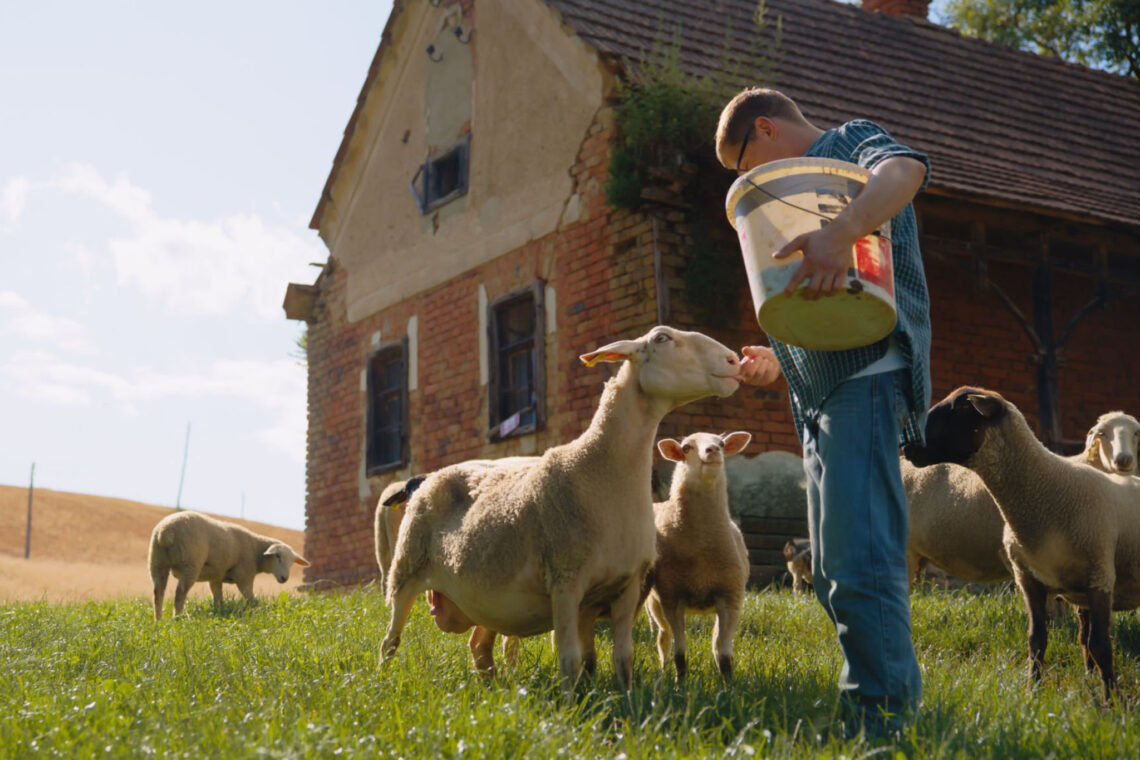
Body Condition Scoring: Evaluating Livestock Before Feed Demands Increase
As the seasons shift toward cooler weather, livestock producers face a critical task: assessing the health and nutritional status of their animals before feed demands spike in late fall and winter. Body Condition Scoring (BCS) is a practical, reliable method for evaluating livestock fat reserves, muscle development, and overall condition, helping you make informed feeding and management decisions.
What Is Body Condition Scoring?
Body Condition Scoring is a visual and tactile evaluation of an animal’s fat and muscle covering. By scoring livestock on a standardized scale, producers can:
- Identify animals that are underweight or overweight.
- Adjust feed rations and supplementation accordingly.
- Monitor herd health trends over time.
Common BCS Scales
- Cattle: Typically scored on a 1–9 scale (1 = emaciated, 9 = obese).
- Sheep and Goats: Usually scored on a 1–5 scale.
- Horses: Scored on a 1–9 scale, similar to cattle, focusing on fat distribution over ribs, neck, and tailhead.
Why Early Fall Evaluation Matters
Evaluating body condition before feed demands increase is essential for several reasons:
- Nutritional Planning: Feed costs often rise in late fall and winter. Knowing your herd’s BCS allows for strategic supplementation, preventing over- or under-feeding.
- Health Management: Animals in poor condition are more susceptible to cold stress, parasites, and disease.
- Reproductive Success: Adequate body condition supports fertility in breeding stock.
How to Perform Body Condition Scoring
1. Visual Assessment
- Observe the overall shape of the animal. Look for prominent bones, fat deposits, and muscle tone.
- Check the ribcage, spine, and hips for fat coverage.
2. Tactile Evaluation
- Gently feel the animal’s ribs, backbone, and tailhead.
- Assess how much fat is covering the bones without pressing too hard.
3. Record and Track Scores
- Document scores for each animal to monitor trends over time.
- Group animals by condition to adjust feeding strategies efficiently.
Interpreting Scores
- Low Score: Indicates thin or undernourished animals that may require additional supplementation.
- Moderate Score: Animals are in ideal condition, requiring maintenance-level feed.
- High Score: Overweight animals may need restricted feed or adjusted grazing to prevent metabolic issues.
Implementing Feeding Strategies Based on BCS
- Supplementation: Provide high-quality forage or concentrate feeds to thin animals to build fat reserves before winter.
- Targeted Feeding: Use BCS data to feed groups based on condition rather than a one-size-fits-all approach.
- Pasture Management: Rotate grazing to prioritize thin animals and avoid overconsumption by heavier animals.
Benefits of Early BCS Evaluation
- Reduced Feed Costs: Targeted feeding reduces waste and ensures efficient nutrition use.
- Improved Herd Health: Animals in good condition tolerate cold weather better and are less prone to disease.
- Enhanced Productivity: Properly conditioned breeding stock and market animals perform better in terms of reproduction, growth, and meat quality.
Final Thoughts
Body Condition Scoring is a simple yet powerful tool for autumn livestock management. By evaluating your herd before feed demands increase, you can make informed decisions that enhance health, optimize nutrition, and protect your bottom line. Regular BCS checks are not just a seasonal task—they are a proactive step toward long-term herd success and sustainable farm management.

