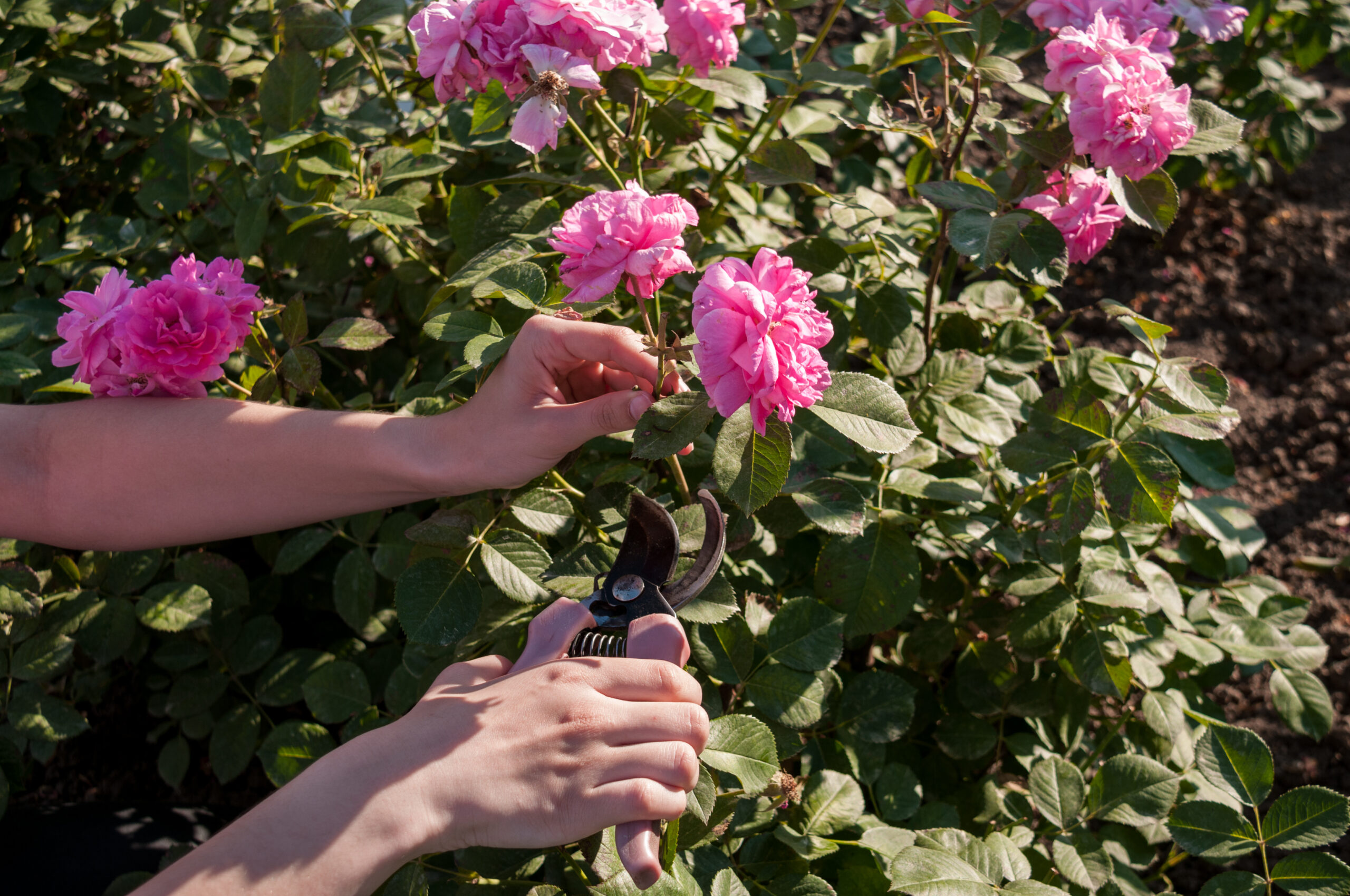
Fall Pruning Guide: Which Plants Benefit and Which Should Wait
As the vibrant colors of early fall paint the landscape, gardeners face a critical question: which plants should be pruned now, and which should wait until later? Pruning at the right time promotes healthy growth, encourages flowering, and prevents disease, while improper timing can harm plants or reduce next season’s yields. September and October are prime months to evaluate your garden and make strategic pruning decisions.
Why Fall Pruning Matters
Fall pruning serves several key purposes:
- Remove Dead or Damaged Wood: Clearing broken or diseased branches prevents pests and pathogens from overwintering in your plants.
- Shape and Train Plants: Pruning in fall helps maintain the desired size and form of shrubs and trees without stressing the plant in extreme weather.
- Encourage Spring Growth: For certain trees and perennials, a well-timed fall cut can stimulate stronger buds and healthier growth in spring.
However, not all plants respond well to fall pruning. Understanding the growth habits of your garden’s plants is essential.
Plants That Benefit from Fall Pruning
- Deciduous Trees and Shrubs (Dormant Pruning)
- Trees like maples, oaks, and dogwoods benefit from pruning after they drop their leaves.
- Remove dead, damaged, or crossing branches to reduce the risk of disease and improve air circulation.
- Perennials That Bloom Early in Summer
- Plants like daylilies, hostas, and irises can be cut back to the ground after the first frost.
- This helps prevent disease and makes room for new growth in spring.
- Fruit Trees (Late-Summer to Early-Fall)
- Apples, pears, and plums can undergo light pruning to remove diseased wood or overcrowded branches.
- Avoid heavy cuts, as excessive pruning can stimulate late-season growth that may not survive winter.
- Evergreen Shrubs (Light Shaping)
- Evergreens like boxwood and holly can benefit from light pruning in early fall to maintain shape.
- Heavy pruning should be avoided as it may stress the plant before cold weather sets in.
Plants That Should Wait Until Spring
- Spring-Flowering Shrubs
- Azaleas, rhododendrons, lilacs, and forsythia bloom on old wood. Pruning in fall may remove next year’s flower buds.
- Tender Perennials
- Plants like hydrangeas and fuchsias that are sensitive to frost should be pruned lightly or left until spring.
- Plants Under Stress
- If a plant shows signs of drought stress, disease, or pest infestation, delay pruning until spring when recovery is more reliable.
Fall Pruning Tips
- Use Clean, Sharp Tools: Sterilize pruning shears and saws to prevent disease spread.
- Cut at the Right Angle: Make cuts at a 45-degree angle, just above a bud or branch junction.
- Don’t Over-Prune: Remove no more than 25% of the plant’s structure at a time to avoid stress.
- Dispose of Debris Properly: Diseased or pest-infested branches should be removed from the property to prevent overwintering problems.
Final Thoughts
Fall pruning is a delicate balance between maintaining plant health and preparing for winter dormancy. By knowing which plants benefit now and which should wait, you can enhance your garden’s beauty, prevent disease, and set the stage for a productive spring. Thoughtful pruning in September and October ensures your plants are not only ready to withstand winter but poised to thrive in the coming year.

