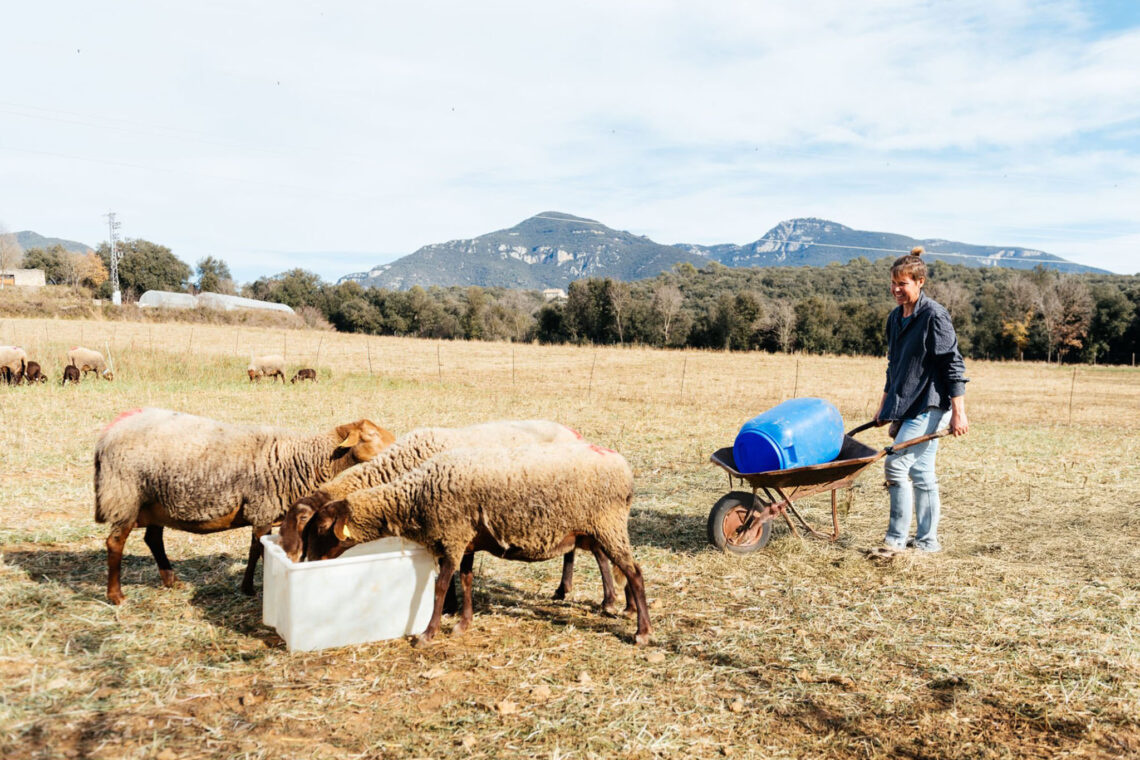
Fall Pasture Prep: How to Keep Livestock Grazing Healthy Grass
As the days shorten and temperatures cool, fall marks a critical season for livestock managers. Proper pasture preparation during this time can make the difference between healthy, productive forage and struggling fields come spring. By managing grazing pressure, improving soil fertility, and protecting plant health, you can extend the grazing season while ensuring your pastures recover strong for next year.
This guide breaks down practical strategies for fall pasture management, helping you balance livestock nutrition with long-term pasture sustainability.
Why Fall Pasture Prep Matters
Fall is the recovery window for most cool-season grasses like fescue, orchardgrass, and ryegrass. These plants rely on fall regrowth to store carbohydrates in their roots, which fuels their survival through winter and vigorous regrowth in spring.
If pastures are overgrazed in the fall, root systems weaken, leaving fields vulnerable to winterkill, erosion, and reduced yields next year. Proper management now ensures your herd has access to nutrient-rich forage while protecting the land for future productivity.
Step 1: Manage Grazing Pressure
1. Avoid Overgrazing
- Keep at least 3–4 inches of stubble height on grasses when rotating livestock out.
- Overgrazing weakens plants, reduces photosynthesis, and limits their ability to store energy before winter.
2. Rotate Grazing
- Divide pastures into smaller paddocks using temporary fencing.
- Rotate herds every few days to give grass rest periods.
- Aim for a 21–30 day recovery window depending on rainfall and grass type.
3. Utilize Sacrifice Areas
- Designate one small lot for heavy use if forage becomes limited.
- Protects your main pastures from compaction and damage during wet fall conditions.
Step 2: Fertilize for Root Growth
Fall is an excellent time to apply nutrients that encourage strong root systems.
- Nitrogen (N): Apply a moderate dose in early fall to stimulate late-season growth, but avoid excessive application that promotes lush top growth vulnerable to frost damage.
- Phosphorus (P) & Potassium (K): Critical for root health and winter hardiness. Soil-test pastures and correct deficiencies before winter sets in.
- Lime: Fall is ideal for applying lime, giving it time to adjust soil pH by spring.
Step 3: Overseed to Boost Forage Diversity
Thin or bare spots in pastures can be addressed by overseeding in fall.
- Cool-Season Annuals: Ryegrass, oats, and winter wheat provide extra grazing through late fall and early spring.
- Legumes: Overseed with clover or vetch to fix nitrogen and improve forage quality.
- Drill or broadcast seed into lightly grazed fields, then let livestock trample seed in before rotating them out.
Step 4: Control Weeds Before Dormancy
Fall is a strategic time for weed control. Perennial weeds like thistles, dock, and plantain draw nutrients down into their roots as winter approaches, making them more vulnerable to herbicide or mechanical control. Tackling weeds now reduces competition for grass regrowth and improves spring productivity.
Step 5: Protect Soil and Water Resources
Healthy pastures don’t just benefit livestock—they safeguard the land.
- Maintain ground cover: Prevents erosion from heavy rains and snowmelt.
- Manage manure: Avoid overstocking pastures, which leads to nutrient runoff and compaction.
- Stream buffers: Leave ungrazed strips along waterways to protect water quality.
Step 6: Extend Grazing Into Late Fall
Proper pasture prep can stretch the grazing season by weeks, reducing the need for stored feed.
- Stockpile Forage: Let certain fields rest in late summer and early fall, building forage reserves for grazing after frost. Tall fescue is particularly well-suited for stockpiling.
- Strip Grazing: Use temporary fencing to ration stockpiled forage, reducing waste and ensuring uniform utilization.
Step 7: Monitor Livestock Body Condition
While focusing on pastures, don’t overlook your herd. As forage quality declines in late fall, monitor body condition closely. Supplement with hay, silage, or protein if necessary to maintain health heading into winter.
Common Mistakes to Avoid
- Leaving fields grazed too short before winter dormancy.
- Skipping soil tests, leading to nutrient imbalances.
- Relying solely on one forage species, which limits resilience to weather stress.
- Ignoring compaction issues, which reduce water infiltration and spring growth.
Final Thoughts
Fall pasture prep isn’t just about feeding livestock now—it’s about setting the stage for healthy, resilient grazing systems year after year. By carefully managing grazing pressure, fertilizing for root strength, overseeding bare spots, and protecting soil health, you can extend your grazing season and enter winter with stronger, more productive fields.
A well-prepared pasture ensures not only healthy forage for your herd but also long-term sustainability for your land.

