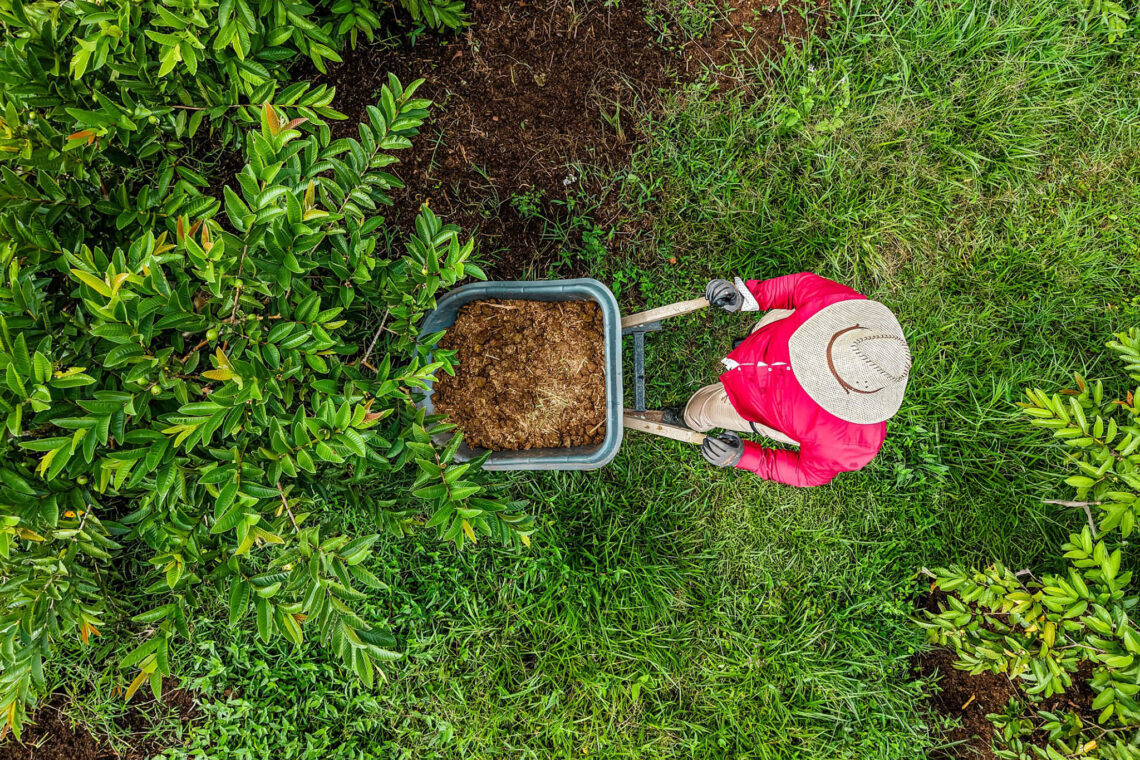
Extending the Season: Using Cold Frames and Row Covers in Fall Gardens
As autumn temperatures dip and frost threatens, many gardeners assume their growing season is over. But with the right tools and techniques, you can keep harvesting fresh produce well into late fall—and even early winter. Two of the most effective methods are cold frames and row covers, which protect plants from frost while creating a microclimate that extends your garden’s productivity.
In this article, we’ll break down how cold frames and row covers work, when to use them, and the best crops to grow under each method.
Why Extend the Season?
Extending your gardening season isn’t just about squeezing in a few more weeks of fresh vegetables. It also offers:
- Fresher Food, Longer: Enjoy homegrown greens when store-bought produce loses flavor and quality.
- Maximized Harvests: Get the most out of your soil and hard work by keeping beds productive.
- Improved Self-Sufficiency: Reduce reliance on grocery stores through the colder months.
- Early Spring Advantage: Cold frames and row covers can also jump-start your spring garden weeks ahead of schedule.
Cold Frames: Miniature Greenhouses
A cold frame is essentially a small, bottomless box with a transparent lid that traps solar heat. They can be built from wood, bricks, or even straw bales, with an old window or clear polycarbonate sheet as the top.
Benefits of Cold Frames:
- Capture and store solar heat during the day.
- Protect plants from frost, wind, and snow.
- Provide a stable growing environment for cool-season crops.
Best Crops for Cold Frames:
- Leafy greens: Spinach, lettuce, kale, and arugula thrive in the cool, protected environment.
- Root vegetables: Carrots, radishes, and beets can continue maturing under protection.
- Herbs: Parsley and cilantro hold well in cold frames.
Tips for Success:
- Ventilation matters: Open the lid slightly on sunny days to prevent overheating.
- Orientation counts: Position frames facing south to maximize sunlight.
- Insulation helps: Add straw or leaves around the outside for extra warmth.
Row Covers: Versatile Protection for Beds
Row covers are lightweight fabric or plastic sheets stretched over hoops or laid directly on plants. They act as a blanket, holding in heat and shielding crops from frost and pests.
Benefits of Row Covers:
- Easy to set up and remove.
- Inexpensive compared to building structures.
- Available in different thicknesses for varying levels of frost protection.
Best Crops for Row Covers:
- Brassicas: Broccoli, cabbage, and cauliflower gain protection from both frost and insects.
- Spinach & Swiss chard: Handle light frosts well with a little help.
- Lettuce mixes: Extend harvests by weeks with floating row covers.
Tips for Success:
- Secure the edges: Use soil, rocks, or boards to keep covers from blowing away.
- Use hoops for air circulation: Prevent fabric from crushing tender plants.
- Choose frost blankets wisely: Lightweight covers for mild nights, heavier frost cloth for deep cold.
Combining Cold Frames and Row Covers
For the ultimate season extension, try using both methods together:
- Place a row cover inside a cold frame for double insulation.
- Layer row covers directly over crops in beds, then add a frame structure during harsher weather.
- This combination can extend the harvest by several months, even in northern climates.
Preparing for Winter and Beyond
Season extension requires planning, but the rewards are worth it. By starting cold-hardy crops in late summer and protecting them with cold frames and row covers, you can keep your garden productive well past the first frost.
And when spring arrives? Those same tools will give you an early start on seedlings, putting fresh food on your table weeks ahead of schedule.
Final Thoughts
Cold frames and row covers are simple, effective ways to extend the growing season. With just a bit of preparation, you can enjoy fresh greens and root crops long after your neighbors have put their gardens to bed. Whether you’re a homesteader seeking year-round food or a backyard gardener looking to get more out of your space, these tools help bridge the gap between seasons.
Don’t let frost end your gardening season—use cold frames and row covers to keep it going strong.


You May Also Like
Trudave DryFlow Review: The Tall Rain Boot That Finally Solves the “Mid-Calf Isn’t Enough” Problem
Seed Sorting Season: Planning Your Early Spring Garden Now
