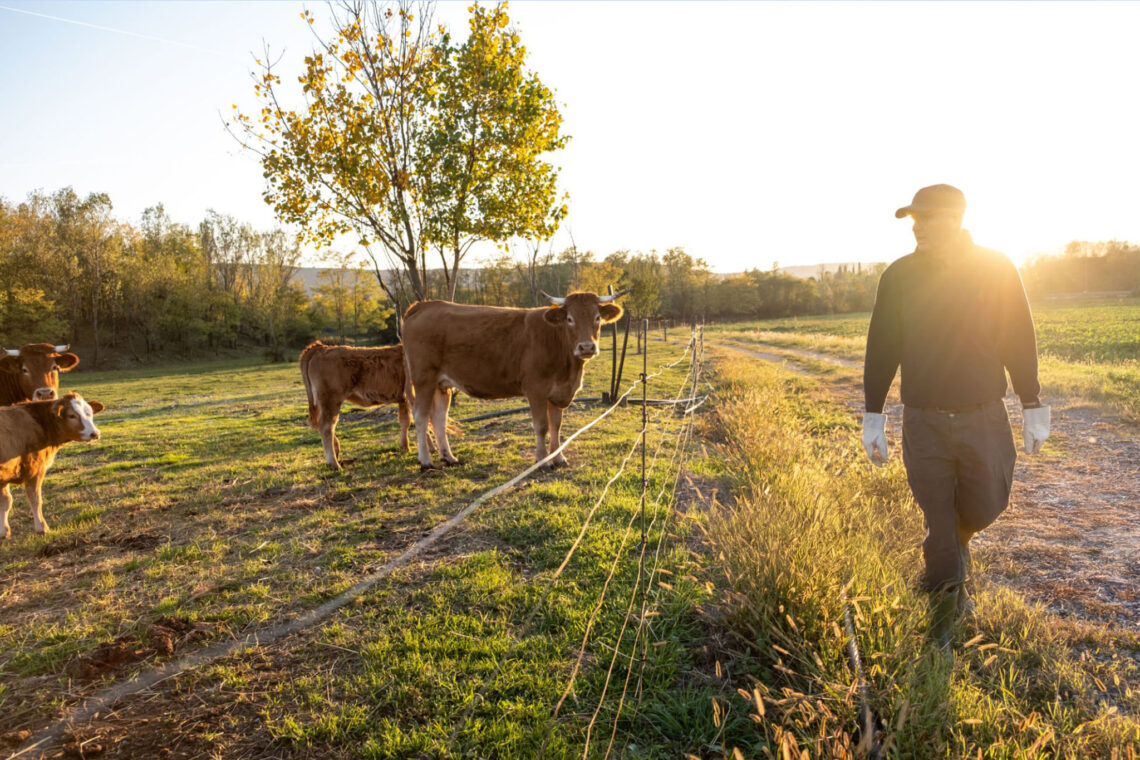
Preparing Your Pastures for Winter Grazing: Fall Ranch Checklist
As autumn settles in and frost begins to touch the grass, ranchers across the U.S. face a critical task: preparing pastures for winter grazing. Proper preparation not only ensures healthier livestock through the cold months but also preserves pasture productivity for the next growing season. This fall ranch checklist will guide you step-by-step to maximize forage availability, protect soil health, and make winter grazing efficient.
1. Assess Pasture Condition Before Frost
Before the first frost, walk your pastures and inspect forage quality. Look for:
- Pasture coverage: Is there bare soil that needs reseeding?
- Forage height: Overgrazed pastures need recovery, while underutilized ones may require planned grazing adjustments.
- Weed encroachment: Identify invasive plants that may need control before winter.
A thorough assessment helps you prioritize which pastures to rest, reseed, or fertilize.
2. Plan a Winter Grazing Rotation
Rotational grazing in fall allows you to extend pasture life and reduce feed costs in winter. Consider:
- Grouping pastures: Identify which areas will be grazed first, second, and last.
- Stocking density: Adjust animal numbers to prevent overgrazing before winter.
- Rest periods: Let pastures recover to store nutrients for the following spring.
A well-planned rotation ensures forage availability and protects root systems during winter dormancy.
3. Fertilize and Overseed
Fall is an ideal time for fertilizing and overseeding to boost forage production next spring.
- Fertilizer: Apply phosphorus and potassium to strengthen plant roots. Nitrogen application may depend on soil tests.
- Overseeding: Introduce cold-tolerant forage species like ryegrass or winter wheat to improve pasture yield during early spring.
Fall fertilization improves nutrient reserves and strengthens plants for winter survival.
4. Manage Stocking Rates
Stocking rate management is essential to prevent pasture damage during winter.
- Reduce herd size if necessary: Ensure forage is not overused before dormancy.
- Use sacrifice areas: A designated sacrifice area helps protect pastures while providing feed and shelter for livestock.
Proper stocking rates minimize soil compaction and root damage, setting pastures up for healthy regrowth.
5. Check and Maintain Fencing and Water Systems
Cold weather can expose weaknesses in infrastructure.
- Fencing: Inspect and repair fences to prevent livestock escapes during winter grazing.
- Water systems: Ensure troughs, pipes, and tanks are insulated or heated to prevent freezing.
- Access routes: Maintain clear pathways for feeding and animal movement during snow or frost.
This preventive maintenance keeps operations smooth and livestock safe.
6. Control Weeds and Manage Residue
Weed control and residue management can impact forage quality.
- Weed removal: Reduce weed pressure to allow forage species to thrive.
- Residue management: Avoid excessive manure buildup or leftover plant material that can smother desirable forage.
Clean pastures improve nutrient cycling and reduce disease risk.
7. Monitor Weather and Adjust Plans
Autumn weather is unpredictable. Stay flexible:
- Watch forecasts: Adjust grazing rotations and feeding schedules according to weather changes.
- Stockpile feed if needed: Harsh winters may require additional feed reserves.
Proactive weather monitoring helps prevent grazing shortfalls and protects herd health.
Final Thoughts
Preparing your pastures for winter grazing is a blend of planning, maintenance, and proactive management. Following this fall ranch checklist will not only extend your grazing season but also improve pasture health and livestock performance year after year.
Ranchers who invest time this fall in pasture preparation often see healthier herds, reduced feed costs, and more productive pastures come spring. This isn’t just seasonal preparation — it’s an investment in the long-term sustainability of your ranch.


You May Also Like
Best Boots for Botanical Garden and Arboretum Maintenance
The First Week: What New Trudave Rain Boot Owners Should Actually Expect — A Break-In Guide for Rubber and Neoprene