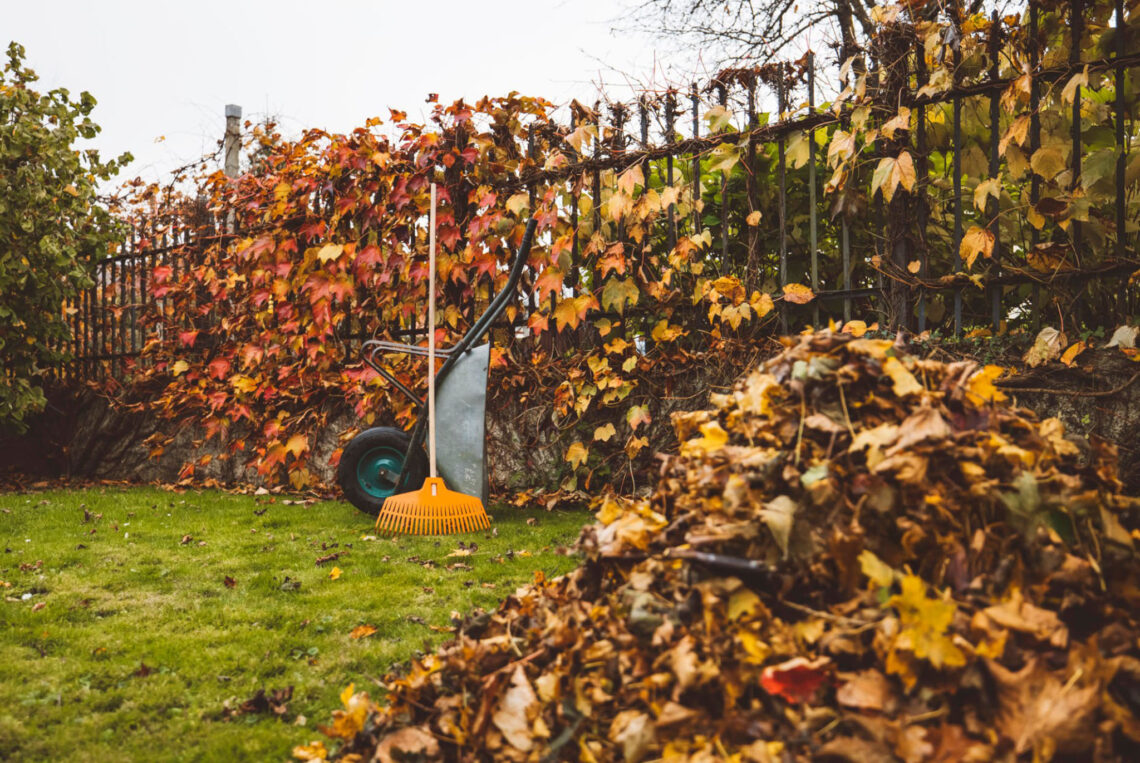
Composting in the Cold: Turning Waste into Springtime Gold
Winter may seem like the season when everything slows down — the soil freezes, plants sleep, and your compost pile appears lifeless. But beneath that icy crust, something remarkable can still happen. With the right approach, you can keep composting through the cold months and transform fall’s leftovers into nutrient-rich “black gold” for your spring garden.
Even when temperatures drop, composting doesn’t have to stop. It just requires a few strategic adjustments to keep microbes happy and decomposition rolling all season long.
Why Composting in Winter Still Matters
It’s easy to pause composting once frost sets in, but doing so means missing months of valuable breakdown time. By maintaining your compost pile through the winter, you:
- Reduce household waste instead of sending it to the landfill.
- Maintain microbial activity, even at a slower pace.
- Get a head start on nutrient-rich compost that’s ready by early spring.
Composting through winter is more about patience than perfection. The process slows, but it never truly stops — especially if you help nature along.
Understanding the Winter Compost Challenge
Cold temperatures naturally slow microbial activity. The bacteria and fungi responsible for breaking down organic material thrive best in the range of 100–150°F (38–65°C). When the air turns frigid, your compost pile’s internal heat drops, causing decomposition to crawl.
The goal, then, is to retain as much internal warmth and moisture as possible — and to feed microbes the right balance of materials so they stay active through the coldest spells.
Building the Perfect Winter Pile
A successful winter compost pile is all about structure, size, and insulation. Here’s how to get it right:
1. Start Big
A larger pile (at least 3 feet wide by 3 feet tall) will retain heat better than a small one. The mass acts like a thermal battery, trapping warmth generated by microbial activity in the core.
2. Layer Smart
Alternate layers of greens (nitrogen-rich materials like kitchen scraps, coffee grounds, and grass clippings) and browns (carbon-rich materials like dried leaves, straw, and shredded cardboard). This ratio — roughly 1 part green to 3 parts brown — ensures a balanced compost that heats evenly.
3. Insulate the Pile
Cold air steals heat fast. Surround your compost pile with bales of straw, bags of leaves, or cardboard panels. You can even wrap it in a tarp to help retain internal warmth and protect against snow and rain.
4. Keep It Moist (But Not Wet)
Winter air can be surprisingly dry. Check your pile occasionally — it should feel like a damp sponge. If it’s too dry, sprinkle with water. If too wet, mix in dry browns to restore airflow.
Feeding Your Pile Through Winter
Continue adding kitchen scraps like fruit peels, vegetable trimmings, eggshells, and coffee grounds. But avoid dumping a full bowl of scraps in one spot — spread them throughout the pile and cover with browns each time to deter pests and reduce odor.
If your pile is frozen solid, stockpile scraps in a covered outdoor bin or bucket and add them when temperatures rise briefly. Microbes will reactivate as soon as the pile warms again.
Microbe Momentum: Keeping the Heat Alive
A thriving compost pile in winter depends on maintaining microbial momentum. Here are some simple ways to keep those microbes warm and working:
- Turn the pile on warmer days to reintroduce oxygen.
- Add nitrogen-rich boosters like manure, alfalfa meal, or used coffee grounds.
- Cover with an old blanket or tarp to hold in steam.
- Build compost in an enclosed bin or tumbler, which traps heat better than open piles.
If temperatures dip too low for biological activity, don’t worry — your pile is simply “hibernating.” Once spring warmth returns, the decomposition process will resume naturally and rapidly.
Composting Alternatives for Freezing Climates
In areas where outdoor composting isn’t practical all winter, consider indoor or sheltered options:
- Worm Composting (Vermicomposting): Use a worm bin in your basement, garage, or mudroom. Red wigglers happily convert kitchen scraps into nutrient-dense castings all year.
- Compost Tumblers: Elevated and enclosed, tumblers stay warmer and reduce pest problems.
- Insulated Compost Bins: Some models are designed to maintain internal heat even during freezing nights.
These methods keep decomposition going and give you a consistent supply of compost, even when the ground is frozen solid.
The Spring Payoff
Come spring, you’ll be rewarded with dark, crumbly compost that smells earthy and rich — a sure sign your patience paid off. Spread it over your garden beds, mix it into potting soil, or top-dress around trees and shrubs to boost early growth.
Winter composting is more than just an eco-friendly practice; it’s a long-term investment in your soil’s health. Every banana peel, leaf, and coffee filter you compost now helps create a more fertile, water-retentive foundation for the season ahead.
Final Thoughts
Winter doesn’t have to mean downtime for your composting routine. With the right insulation, balance, and consistency, you can turn winter waste into springtime gold — all while reducing waste and nurturing your garden’s ecosystem.
So, the next time frost hits your compost pile, remember: there’s still plenty happening beneath the surface. Nature never truly stops working — and neither should your compost.


You May Also Like

Tall vs Mid-Calf Rain Boots: Which Boot Height Is Better?

Mud, Sweat, and She-Sheds: How Trudave Gear Is Finally Giving Women the Rain Boots They Deserve