-
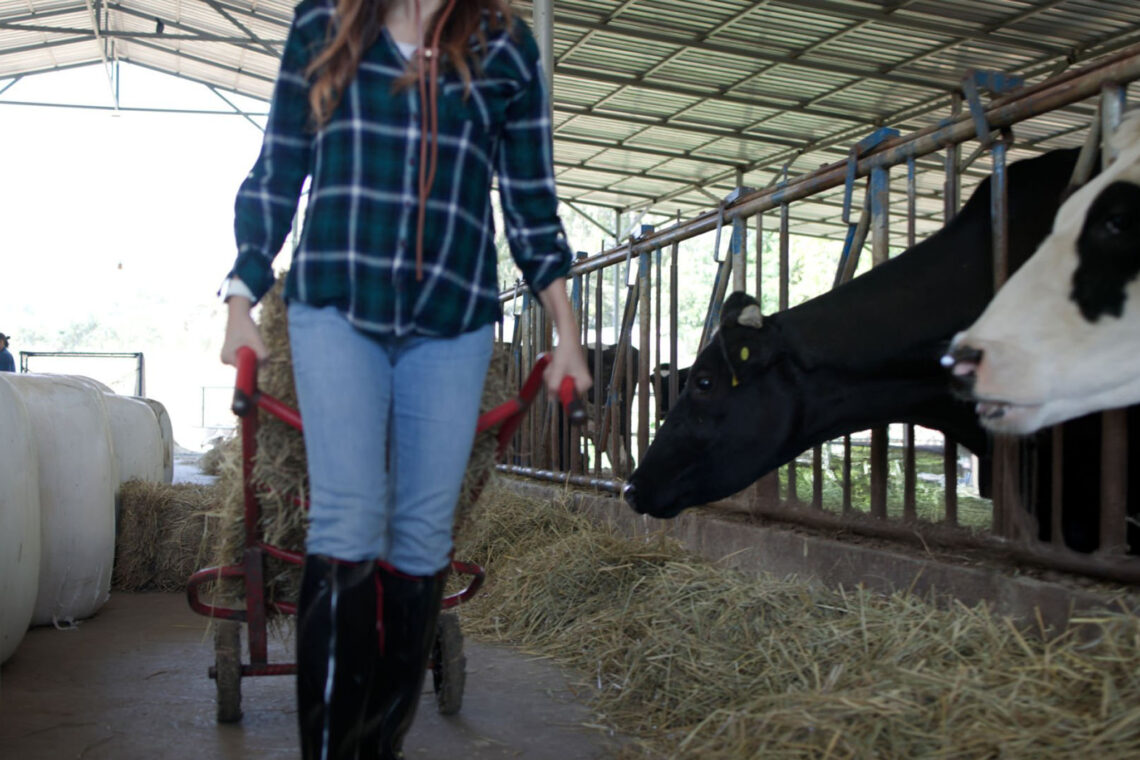
Prepping Winter Feed: Smart Hay Management Before the First Snow
When the days grow shorter and the mornings start to frost, ranchers across the country know what’s coming — feeding season. Winter feed planning isn’t just about stacking hay in the barn; it’s about strategic management that keeps your herd healthy and your wallet intact. Smart hay management before the first snow hits can mean the difference between an easy winter and a stressful one. In this guide, we’ll walk through everything you need to know about winter hay prep — from assessing forage quality and calculating feed needs, to storage, rotation, and feeding efficiency. 1. Start with a Forage Inventory Before winter feeding begins, take stock of what you…
-
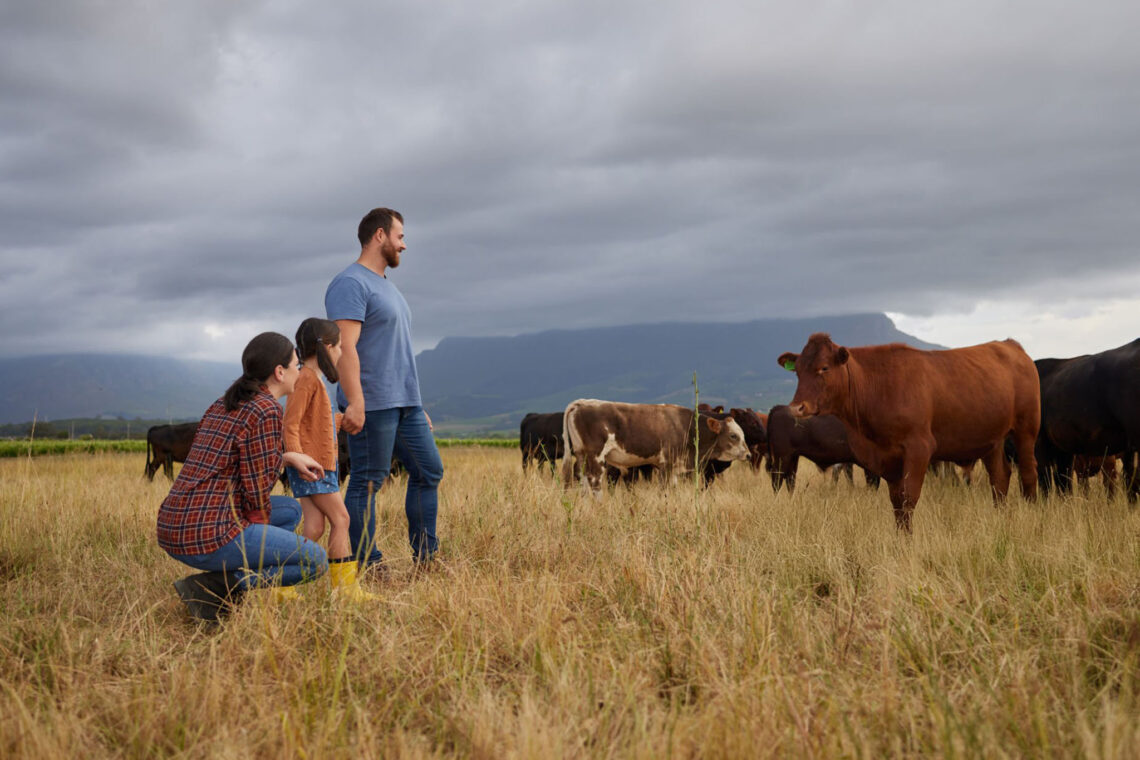
Fall Grazing Strategies: Keeping Cattle Fed When Pastures Fade
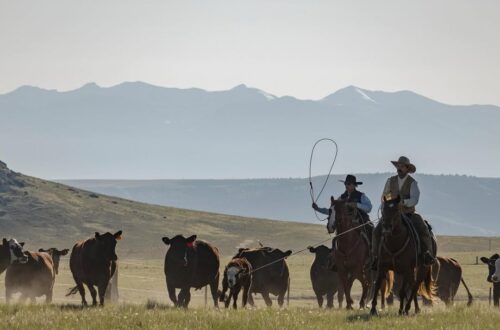
As summer pastures dry out and daylight shortens, every rancher faces the same annual challenge — how to keep cattle fed when the grass begins to lose its punch. Fall is a transition season that can make or break your winter feed program. Managing your pastures smartly now not only saves hay and money later but also builds stronger soil and healthier herds for seasons to come. In this guide, we’ll break down effective fall grazing strategies, from extending pasture productivity to supplementing nutrition when forage declines. 1. Understanding the Fall Forage Decline By late September and October, most grasses slow their growth due to lower temperatures and reduced daylight.…
-
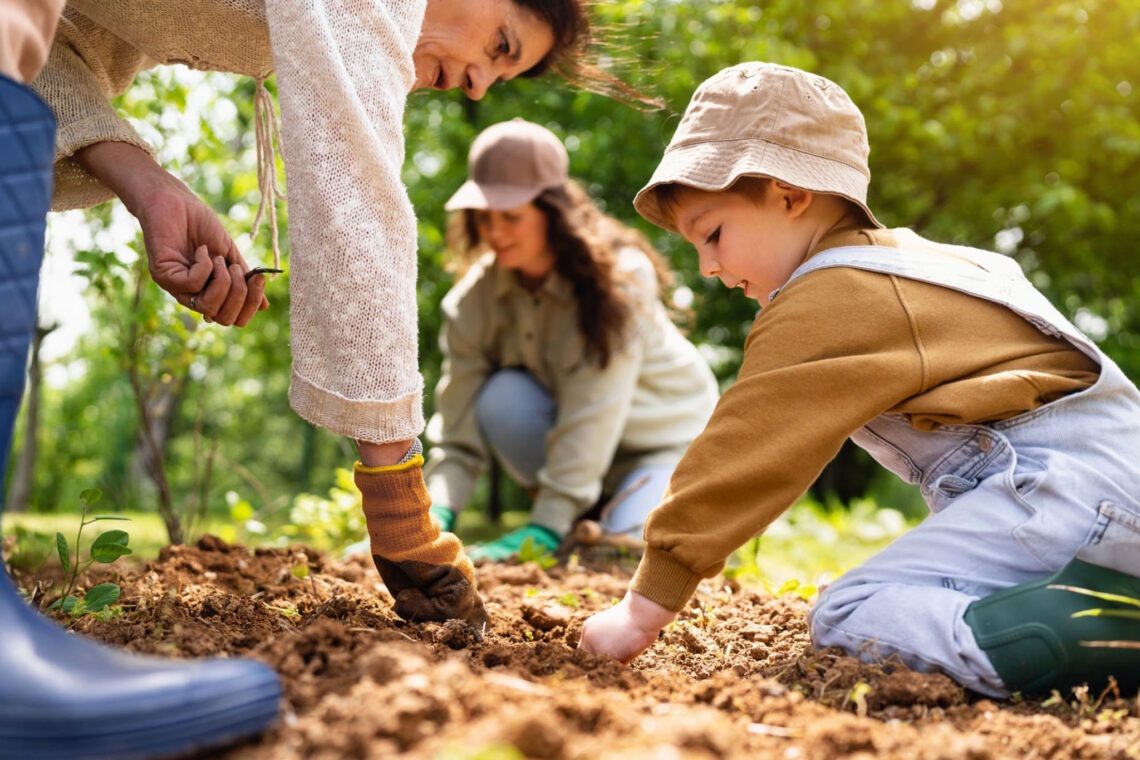
Late-Season Soil Amendments: Building Fertility Before the Freeze
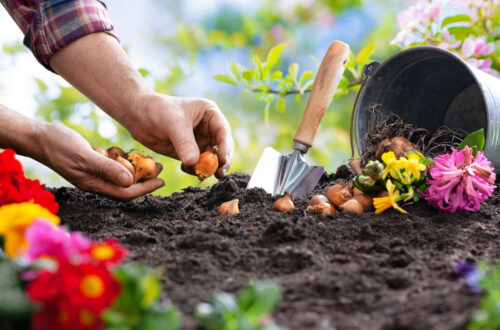
As fall winds grow colder and the first frost approaches, many gardeners think the growing season is over. But in reality, late fall is one of the best times to prepare your soil for next year. Applying the right amendments before the freeze can help build fertility, improve soil structure, and ensure a head start for spring planting. Late-season soil work is not just about maintaining productivity—it’s about creating a healthier garden ecosystem for years to come. 1. Why Amend Soil in Late Season? Soil amendments are materials added to improve the soil’s physical condition and fertility. Fall is the ideal time for this because: By applying amendments before the…
-
Turning Leaf Litter into Garden Gold Before Winter
As autumn deepens and trees shed their leaves, many gardeners see leaf litter as a cleanup chore. But in reality, fallen leaves are one of the richest resources your garden offers — a natural treasure trove of nutrients that, when managed properly, can transform into “garden gold” by spring. Learning how to turn leaf litter into healthy compost or mulch before winter is a powerful way to enrich soil, suppress weeds, and prepare your garden for next season. 1. Understanding the Value of Leaf Litter Leaves are packed with nutrients like carbon, nitrogen, potassium, and micronutrients essential for plant health. When broken down, they: Rather than bagging them for disposal,…
-
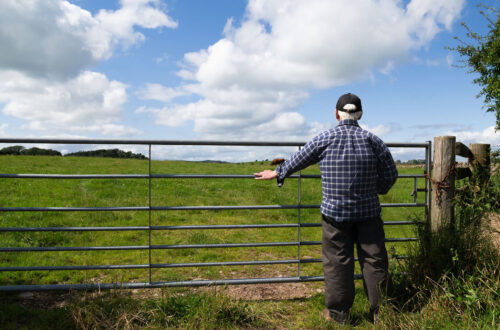
Winter-Ready Fencing: Protecting Pastures and Livestock from Storms
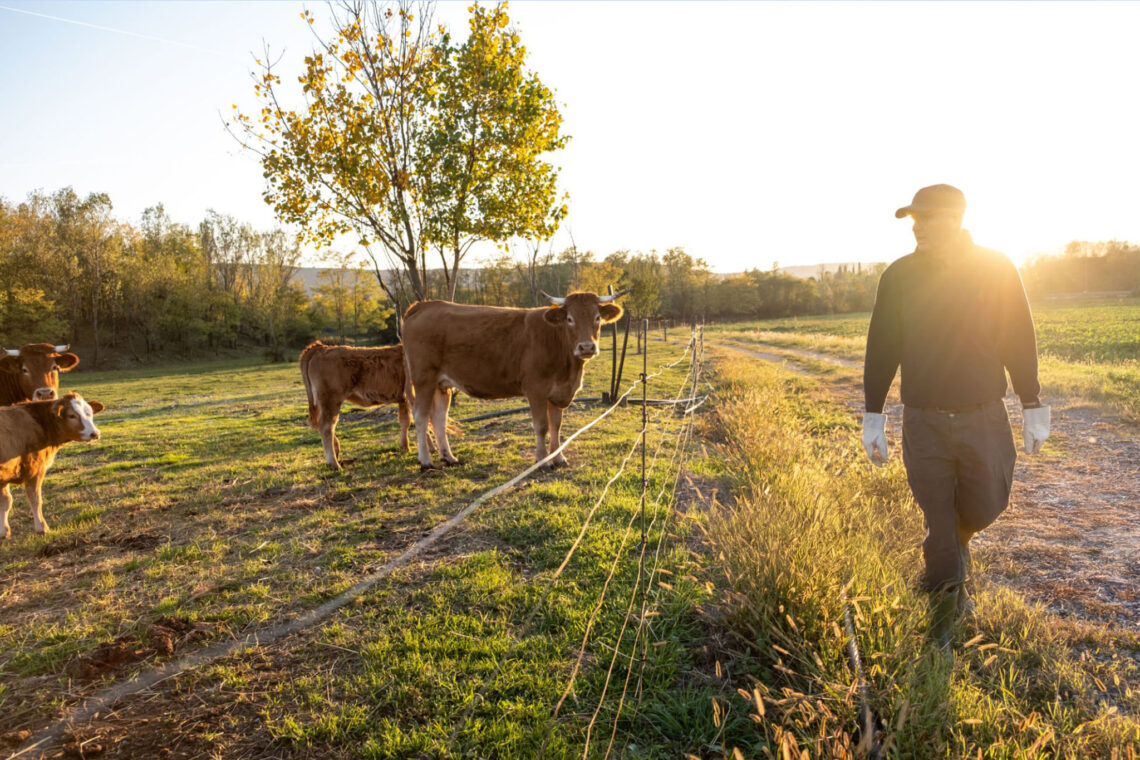
As winter approaches, ranchers and farmers face unique challenges that go beyond feeding and sheltering livestock. Storms, heavy snow, and high winds can damage fences, leaving pastures vulnerable and livestock at risk. Preparing fences for winter isn’t just a seasonal chore — it’s a proactive step that protects your investment in livestock and pasture health. 1. Understanding the Winter Threat to Fencing Winter storms can impact fences in several ways: Recognizing these threats early allows ranchers to take preventative measures. 2. Inspect Fences Before Winter Arrives A thorough inspection is the foundation of winter preparedness: 3. Reinforce Fence Lines for Winter Weather Strengthening fences before harsh weather is essential: 4.…
-
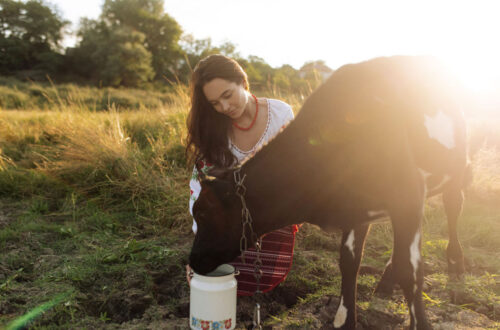
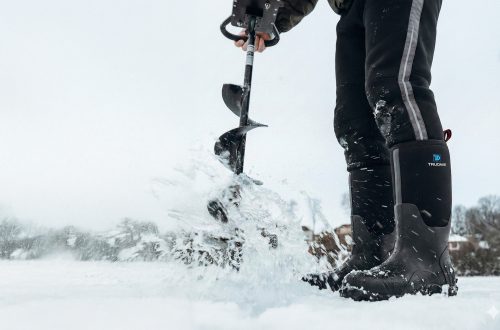
Preparing Winter Water Sources: Tips for Ranchers Before the Freeze
As fall turns to winter, ranchers face one of their biggest challenges: ensuring livestock have safe, reliable access to water despite dropping temperatures. Freezing conditions can make water sources inaccessible or dangerous, affecting herd health, milk production, and overall productivity. Proper preparation before the first freeze can save time, money, and stress later in the season. 1. Understanding the Winter Water Challenge When temperatures dip below freezing, natural water sources such as ponds, streams, and troughs can freeze over. Ice can prevent cattle, sheep, or goats from drinking enough water, which can lead to dehydration, reduced feed efficiency, and health problems. In extreme cold, livestock may expend extra energy just…
-
Mulching Mastery: How to Lock in Warmth and Moisture Before Winter
As the days grow shorter and frost begins to settle in, fall becomes the most crucial season for protecting your soil before winter arrives. Mulching — often overlooked or rushed — can make the difference between a thriving spring garden and one struggling to recover from the cold. When done right, fall mulching locks in soil warmth, retains valuable moisture, and shields your plants from the stress of freezing temperatures. Whether you’re managing a home garden, pasture edges, or a ranch property, mastering the art of mulching now will pay off in healthier soil and stronger growth come spring. Why Fall Mulching Matters More Than You Think Many gardeners think…
-
Compost Like a Pro: Turning Fall Waste into Spring Riches
As fall settles in and the trees begin to shed their leaves, your yard naturally becomes a goldmine of organic material — the perfect opportunity to create nutrient-rich compost for your spring garden. Composting isn’t just about reducing waste; it’s about recycling nature’s leftovers into a powerful soil amendment that fuels next season’s growth. Whether you’re maintaining a homestead, managing a ranch garden, or simply looking to boost your soil’s fertility, fall is the ideal time to start composting like a pro. Why Fall Is the Best Season to Compost Autumn brings an abundance of carbon-rich “brown” materials — fallen leaves, straw, and dry grass clippings — that balance perfectly…
-
Mud Season Management: Keeping Corrals and Trails in Shape This Fall
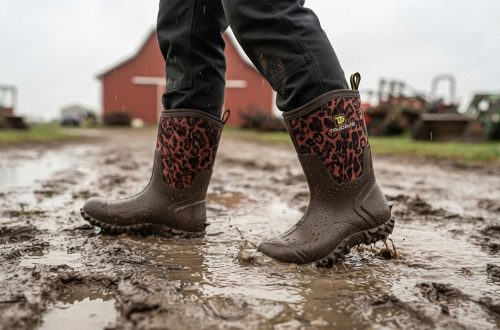
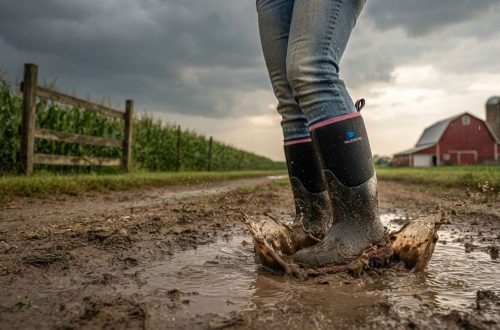
When the first fall rains roll in and the ground begins to soften, ranchers and homesteaders know what’s coming — mud season. Between hoof traffic, feeding areas, and farm vehicles, mud can quickly turn corrals, gates, and trails into slick, soupy messes that damage pastures and endanger livestock. Managing mud isn’t glamorous, but it’s one of the most important tasks to tackle before winter settles in. Smart fall prep can help you maintain solid footing, protect animal health, and preserve your land’s integrity all season long. 1. Understand Where Mud Starts — and Why It Matters Mud forms when water and organic matter mix with compacted soil that can’t drain…
-
Pasture Recovery Plans: How to Keep Grass Productive Through Fall
When fall rolls in and the summer heat fades, many ranchers breathe a sigh of relief — but your pastures still have work to do. The weeks between the end of grazing season and the first hard frost are critical for recovery and preparation. Fall pasture management can mean the difference between a thriving forage stand in spring and a weak, weedy field that struggles to feed your herd. Here’s how to keep your grass productive, healthy, and ready for the cold months ahead. 1. Give Pastures a Rest Before Frost Hits One of the biggest mistakes ranchers make in the fall is grazing too late into the season. After…