Frost on the Fence Line: How to Manage Pastures When Grazing Stops
When the morning sun rises over frozen grass and the sound of hooves fades from the pasture, ranchers know winter has arrived. The grazing season is over, but that doesn’t mean your pasture management duties take a break. In fact, this is the time when smart decisions can protect your land, preserve your forage base, and set you up for a stronger spring. Managing pastures after grazing stops is about balancing rest, protection, and preparation — all while keeping your livestock well-fed and your soil healthy.
1. Let the Land Rest — and Recover
Once frost locks the soil and grass growth halts, continuing to graze can do serious damage. Hooves compact frozen ground and tear at root crowns that won’t heal until spring. This weakens plant stands and delays early-season growth next year. The best move? Pull livestock off before the pasture turns muddy or icy.
Rested pastures recover faster, rebuild root systems, and hold more moisture come spring thaw. If you rotate your herd, let the most resilient fields take the last grazing rotation of the season while weaker paddocks go into full rest mode.
2. Establish a Winter Feed Strategy
With grazing done, the feeding equation shifts entirely to stored forages — hay, silage, or grain. But feed management isn’t just about having enough hay; it’s about minimizing waste and maintaining nutrition through the long cold stretch.
- Unroll hay strategically to spread manure evenly and improve soil fertility.
- Use bale feeders to reduce trampling losses in wet or snowy areas.
- Feed on frozen ground when possible to limit compaction and mud damage.
- Balance protein and fiber — winter diets often need supplementation to keep livestock body condition steady.
The key is consistency: cows burn more energy in cold weather, so steady feeding times and quality forage prevent stress and weight loss.
3. Protect the Soil from Winter Damage
Bare or overgrazed patches are vulnerable once the frost sets in. Wind erosion, water runoff, and compaction can degrade topsoil and choke out spring regrowth. To protect your land:
- Leave 3–4 inches of residual stubble on most grasses to anchor the soil.
- Use cover crops such as rye or triticale to keep living roots in the soil through winter.
- Avoid driving heavy equipment across frozen pastures unless absolutely necessary.
Healthy soil structure is your best insurance policy for next year’s grazing — it absorbs moisture, supports root recovery, and keeps nutrient cycles alive beneath the frost.
4. Manage Water Access Before It Freezes Solid
One of the biggest winter challenges for ranchers is water availability. Frozen troughs and lines can create dangerous dehydration risks. Before the freeze hits:
- Insulate or bury water lines to prevent freezing.
- Install tank heaters or solar-powered de-icers.
- Keep a backup water plan — such as rotating access to ponds or streams — in case of extended power outages.
If you’re managing rotational pastures, make sure each paddock has a reliable water source even when other systems are shut down.
5. Use Winter as a Time for Planning
Winter may slow your livestock down, but it’s the perfect season to review and reset your management plan. Walk the pastures (or ride the fencelines) after a frost to note problem areas — erosion spots, weak forage stands, or broken gates.
Use this downtime to:
- Update your grazing maps and rest schedules.
- Send soil samples for testing and fertility planning.
- Evaluate which paddocks need reseeding or fencing repairs in spring.
A winter spent planning is a spring spent ahead of the curve.
6. Feed, Rotate, and Respect the Land
Even when pastures lie dormant, the way you manage livestock still affects long-term productivity. Feeding on pasture — rather than in a confined lot — spreads manure evenly and reduces buildup around barns. Just remember to rotate feeding areas to avoid damaging any single site.
When thaw periods arrive, watch for soft ground. Keep livestock off muddy pastures to prevent pugging and root damage. Patience now preserves forage later.
7. Think Beyond Survival — Think Sustainability
Good winter pasture management isn’t just about getting through the cold months; it’s about preparing your land to thrive once the snow melts. Healthy pastures mean less fertilizer cost, more forage per acre, and a more resilient ranch overall.
By resting your grass, managing feed smartly, and keeping soil structure intact, you’re not just enduring winter — you’re investing in next year’s success.
Final Thoughts
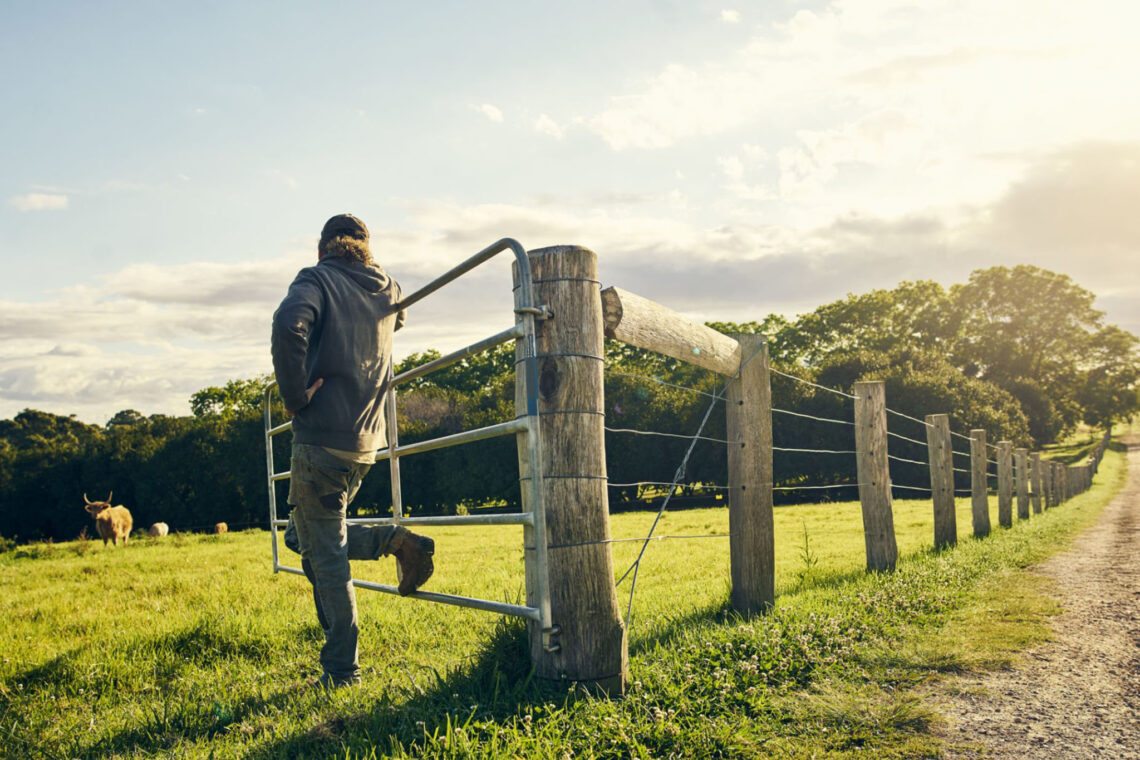
When frost creeps along the fence line, it signals a turning point — not an ending. The pastures may sleep, but your stewardship keeps them alive beneath the surface. Every bale rolled out, every footstep managed, and every plan made in winter shapes the season to come.
Come spring, when the frost fades and the first shoots of green return, the payoff of a well-managed winter will be clear: healthier soil, stronger forage, and livestock ready to thrive.


You May Also Like

The 6 AM Enemy: How Trudave Rain Boots Solved My Wet Grass Problem (For Good)
Cold-Weather Calving Prep: What Ranchers Should Do Now