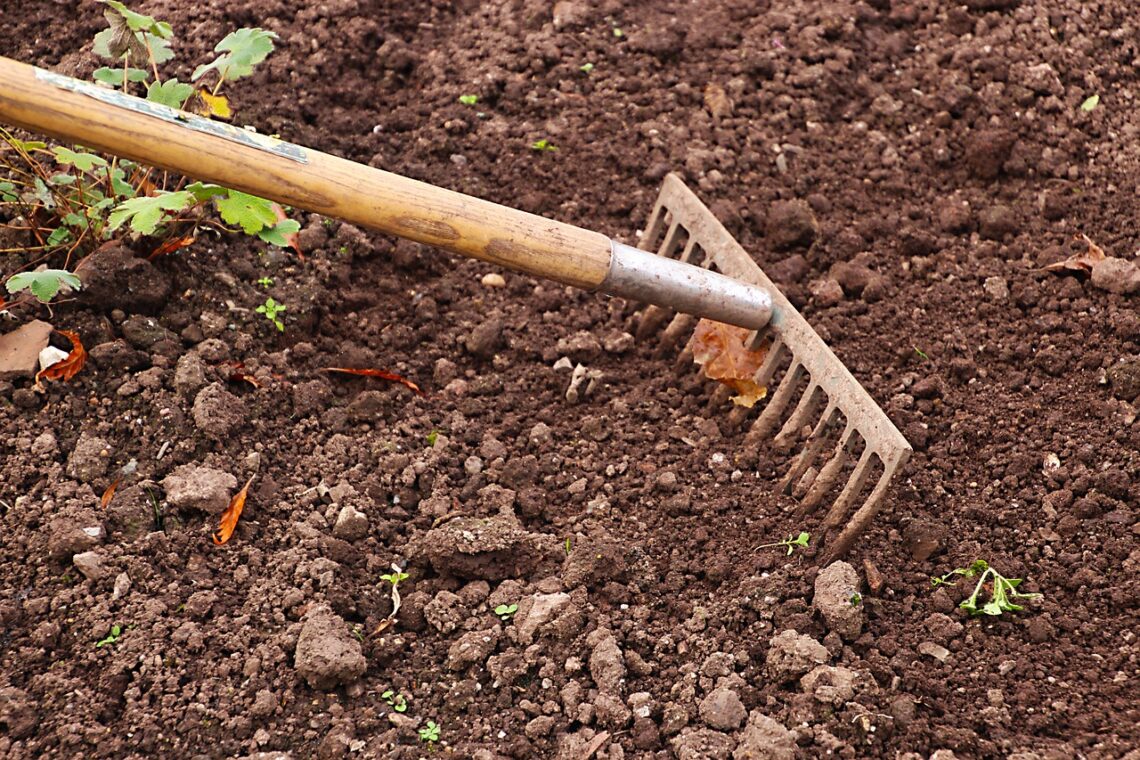
Frost-Firm Soil: Winter Prep Steps That Build Stronger Spring Gardens
When winter settles in and frost begins to stiffen the ground, many gardeners assume the season is over. But here’s the truth seasoned growers swear by: what you do in winter determines what you harvest in spring. Frost doesn’t signal an end—it signals the start of soil renewal. When you work with winter instead of fighting it, you unlock healthier soil structure, better water retention, fewer pests, and a head start on spring planting.
This guide will walk you through winter soil prep strategies trusted by American ranchers and home gardeners, helping transform frozen ground into a powerhouse foundation for next season’s crops.
Why Frost-Firm Soil Matters
Cold weather changes soil on a microscopic level. As the moisture freezes, it expands and breaks apart compacted clumps—a natural tilling effect known as frost heaving. When managed correctly, this:
- Improves oxygen flow
- Creates better root penetration
- Reduces harmful pathogens
- Helps break down organic matter more efficiently
Winter becomes a built-in soil conditioner—if you set the stage.
1. Clear Out Debris, but Keep the Good Stuff
Start with a clean canvas. Remove diseased plants, rotten produce, and pest-infested debris. But don’t make the mistake of stripping your garden bare.
What to Keep:
- Healthy plant stems
- Fallen leaves
- Grass clippings
- Dried mulch
These serve as natural insulation. They protect soil from erosion while slowly breaking down into nutrients during freeze-thaw cycles.
Tip: Chop debris into smaller pieces. Finer material decomposes faster, feeding the soil through winter.
2. Lay Down a Heavy Winter Mulch
Once frost starts forming overnight, it’s time for winter mulch—your garden’s warm blanket. A thick mulch layer keeps soil temperatures stable and protects microbial life that continues working even in cold weather.
Best materials for winter mulch:
- Straw
- Aged wood chips
- Pine needles
- Compost-rich leaf mold
Aim for 4–6 inches over flower beds, vegetable plots, and perennial borders.
Why this matters:
- Prevents soil from drying out
- Reduces frost damage
- Supports better soil texture come spring
- Slows weed germination
3. Add Organic Matter Before the Ground Freezes
Fall and early winter are perfect for feeding your soil. The freeze-thaw cycle helps draw organic nutrients deeper into the ground without the need for heavy tilling.
Consider adding:
- Compost
- Well-rotted manure
- Mushroom substrate
- Seafood compost (popular in coastal U.S. regions)
Spread 1–2 inches over garden beds. Don’t worry about mixing it in—winter will take care of it.
4. Plant a Winter Cover Crop (Even Late in the Season)
If you’re in a moderate climate or the ground isn’t fully frozen yet, planting a winter cover crop is one of the smartest things you can do.
Top winter cover crops:
- Winter rye
- Hairy vetch
- Crimson clover
- Austrian winter peas
Benefits:
- Protects soil from erosion
- Adds nitrogen naturally
- Suppresses winter weeds
- Improves tilth and fertility
Come spring, simply cut down the cover crop and let it compost in place.
5. Test and Amend Your Soil
Winter is a terrific time to get a soil test—labs are less busy, and results return fast.
Check for:
- pH levels
- Organic matter content
- Potassium, phosphorus, nitrogen balance
If your soil tends to be acidic, apply garden lime before snowfall. If it runs alkaline, use elemental sulfur. Winter moisture helps distribute amendments evenly without burning roots.
6. Protect Raised Beds and Containers
Raised beds freeze faster than in-ground gardens, and container soil suffers the most.
Winterizing tips:
- Add extra mulch
- Cover beds with breathable fabric or burlap
- Wrap containers with straw or insulation
- Elevate pots to improve drainage
Good drainage is the difference between a revived spring bed and winter-rotted roots.
7. Use Frost to Break Up Heavy Clay Soil
If your garden has thick clay, winter is a blessing.
What to do:
Spread coarse sand, gypsum, or compost on top before hard freezes.
As frost expands and contracts the clay, these materials work themselves into the soil, reducing compaction naturally.
This method is incredibly effective and requires zero digging.
8. Plan for Early Spring Planting (Yes, Now)
Thinking ahead lets you take advantage of those first warm days.
Use winter downtime to:
- Map your garden beds
- Order seeds early (before the rush)
- Repair fencing and irrigation lines
- Sharpen pruning tools
When spring hits, you’ll be ready—while everyone else is scrambling.
9. Turn Winter Moisture Into a Garden Advantage
Snow isn’t the enemy—it’s slow-release irrigation.
Benefits of snow cover:
- Keeps soil insulated
- Helps organic matter break down
- Adds natural moisture as it melts
- Prevents wind erosion on bare ground
If you live in a windy or dry winter climate, snow is your friend.
Final Thoughts: Winter Builds the Garden You Want in Spring
A strong garden doesn’t start in April—it starts when temperatures drop. By preparing your soil during winter, you’re using nature’s cold season as a powerful partner. Frost-firm soil sets the stage for richer beds, stronger seedlings, bigger yields, and a more resilient garden ecosystem.
The more you invest in winter prep, the less backbreaking work you’ll face in spring—and the more your garden will reward you.


You May Also Like

The Winter Garden Reset: Cleaning Beds and Prepping for Spring Growth

Planning the Spring Garden: Using Winter Downtime to Map Success