Feeding Adjustments: Balancing Hay and Grass During Green-Up
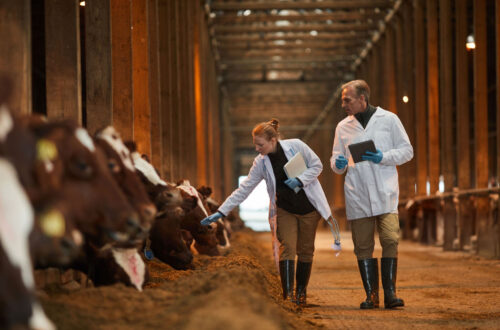
Early spring is a critical time for ranchers managing cattle on pastures recovering from winter. As snow melts and temperatures rise, pastures begin to green up, providing the first flush of fresh forage. However, relying solely on pasture too early can compromise livestock nutrition, while overfeeding hay can be wasteful and reduce the incentive for cattle to graze. Understanding how to balance hay and grass during green-up is essential for maintaining herd health and maximizing pasture productivity.
Why Feeding Adjustments Matter During Green-Up
During early spring, pasture growth is uneven, and nutrient levels vary widely:
- Grass is often immature and low in energy early on, even if it appears lush.
- Winter hay may still be needed to meet protein and fiber requirements, especially for lactating cows or growing calves.
- Overgrazing weak pastures during this delicate recovery phase can slow root development and reduce long-term forage yields.
Strategically balancing hay and grass ensures cattle get sufficient nutrition while allowing pastures to recover fully.
Assessing Pasture Quality
Before making any feeding adjustments, evaluate your pastures:
- Visual Inspection: Look for new growth density, color, and species composition. Healthy green shoots are a good sign of early nutrition, but sparse or yellowing patches may indicate the need for supplemental feed.
- Sample Forage: Clip representative samples and estimate crude protein and fiber levels. Early spring grass often has 10–14% crude protein—adequate for maintenance but insufficient for high-demand animals.
- Pasture Height: Ideal early spring grazing height is 2–4 inches. Taller areas may be able to handle grazing, while short grass should rest.
How to Balance Hay and Grass
1. Gradual Transition
Introduce cattle to fresh pasture gradually to prevent digestive upset:
- Start with 1–2 hours of grazing per day for the first few days.
- Maintain supplemental hay feeding until animals adjust to grazing.
- Increase pasture access daily, monitoring intake and manure consistency.
2. Maintain Nutritional Balance
Even as grass becomes available, hay remains important:
- Continue feeding hay to meet protein and energy requirements until pasture quality is consistently high.
- High-quality hay complements early grass that may be low in digestible energy.
- Avoid overfeeding hay, which can reduce pasture grazing and slow green-up recovery.
3. Strategic Stocking
Adjust stocking rates to match pasture recovery and forage availability:
- Overstocked pastures risk overgrazing, soil compaction, and poor regrowth.
- Consider rotational grazing to move livestock to greener sections while resting recovering areas.
- Monitor pasture weekly and adjust stocking density as new growth accelerates.
4. Special Considerations for Sensitive Groups
- Lactating cows: Require higher protein; early grass may not meet demands. Hay or supplemental concentrates are critical.
- Calves and yearlings: Early green-up provides great grazing, but ensure hay is available during slow growth periods.
- Heifers and bulls: Maintain adequate nutrition to support breeding performance.
Monitoring Progress and Adjusting Feed
Effective feeding adjustments require regular monitoring:
- Pasture growth: Measure height and density weekly.
- Animal condition: Check weight, body condition score, and grazing behavior.
- Supplemental feed usage: Reduce hay gradually as pasture quality improves, ensuring cattle continue to meet nutritional needs.
Conclusion
Balancing hay and grass during early spring green-up is an art as much as a science. The goal is to support livestock nutrition while allowing pastures to recover, setting the stage for robust summer grazing. By assessing pasture quality, introducing grazing gradually, and adjusting hay intake strategically, ranchers can maximize forage efficiency, reduce feed costs, and protect the long-term health of their pastures.
Early spring is a time of transition—the right feeding adjustments now pay dividends all season.


You May Also Like

Winter’s Edge: Preparing Water Sources for Livestock Before the Freeze
Trudave Gear Rain Boots Review: Honest Waterproof Boots for Urban Commutes, Daily Chores & Outdoor Life