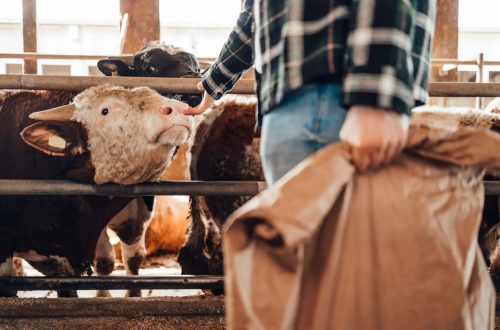
How to Optimize Fencing and Paddock Layout for Efficient Summer Grazing
Efficient summer grazing is essential for maintaining healthy pastures, maximizing forage utilization, and supporting livestock productivity. One of the most overlooked aspects of pasture management is the strategic design of fencing and paddock layout. Properly configured fences and paddocks can reduce overgrazing, prevent soil compaction, and increase forage regrowth, all while making it easier to manage livestock. This guide provides practical tips for optimizing fencing and paddock layouts for summer grazing, specifically for ranchers and farmers in the United States.
1. Understanding the Principles of Efficient Grazing
Before designing paddocks and fences, it’s important to grasp the principles behind effective grazing:
- Rotational Grazing: Moving livestock between paddocks allows grass to recover, maintaining consistent forage availability.
- Stocking Density: Proper animal numbers per paddock prevent overgrazing and soil damage.
- Forage Recovery: Allowing 20–30 days of rest between grazing cycles in early summer encourages rapid regrowth.
Tip: Observe pasture growth and adjust paddock rotations based on forage height, species, and season.
2. Designing Paddocks for Summer Grazing
Paddock layout directly impacts pasture utilization and animal health:
- Size and Shape: Smaller, rectangular paddocks (1–5 acres depending on herd size) are ideal for rotational grazing. Long, narrow paddocks facilitate even grazing and reduce selective feeding.
- Access to Resources: Each paddock should provide easy access to water, shade, and mineral supplements. Avoid long travel distances that stress livestock.
- Number of Paddocks: Divide your pasture into at least 6–8 paddocks per grazing block. More paddocks allow shorter grazing periods, improving forage quality.
Tip: Early summer paddocks should be rotated frequently to capitalize on rapid grass growth and prevent overuse of shaded or moist areas.
3. Choosing the Right Fencing
Fencing is not just a boundary—it’s a tool for pasture management:
- Electric Fencing: Flexible, cost-effective, and easy to move for rotational grazing. Ideal for temporary summer paddocks.
- Permanent Wire Fencing: Barbed or woven wire is suitable for boundary fences or high-traffic areas.
- Gate Placement: Gates should allow easy access to multiple paddocks, reducing labor and stress on livestock.
- Safety Considerations: Ensure fences are clearly visible, free of sharp edges, and regularly maintained to prevent injury.
Tip: Combining permanent perimeter fences with temporary interior electric fencing provides flexibility and efficiency for summer grazing.
4. Strategic Paddock Layout
How you position paddocks within the pasture impacts forage utilization and livestock movement:
- Water Source Distribution: Position paddocks to give livestock convenient access to water without overusing one area.
- Shade Placement: Spread shaded areas evenly across paddocks to prevent crowding and soil compaction.
- Topography Consideration: Place high-traffic areas on firm, well-drained soils to reduce erosion and mud buildup during early summer rains.
- Pathways: Design lanes or corridors for livestock movement to minimize trampling of productive pasture.
Tip: Mapping paddocks on a topographic diagram helps identify ideal water and shade placement while optimizing grazing flow.
5. Seasonal Adjustments for Summer Grazing
Summer conditions require flexible grazing management:
- Heat Management: Rotate livestock to cooler, shaded paddocks during peak midday temperatures.
- Forage Monitoring: Adjust paddock sizes and rotation frequency based on rapid grass growth during early summer.
- Supplemental Feeding: In drought-prone areas or during dry spells, integrate hay or silage supplementation to maintain animal health without overgrazing.
Tip: Keep records of paddock rotation dates, forage height, and animal health to refine summer grazing strategies.
6. Benefits of Optimized Fencing and Paddocks
Proper fencing and paddock layout improve both pasture and livestock productivity:
- Enhanced Forage Use: Livestock graze evenly, preventing overgrazing and promoting regrowth.
- Reduced Soil Compaction: Frequent movement and well-designed access points protect soil structure.
- Labor Efficiency: Easier to manage livestock, move animals, and monitor health.
- Sustainable Pastures: Maintains biodiversity, reduces invasive weed establishment, and preserves long-term pasture quality.
Tip: Combining rotational grazing with optimized fencing can increase forage utilization by 20–30% compared to continuous grazing.
7. Tools for Planning and Monitoring
Modern tools make summer paddock management more efficient:
- GPS Mapping Apps: Plot paddocks, gates, and water sources for planning rotations.
- Drone Surveys: Observe pasture health, shade coverage, and water availability from above.
- Record-Keeping Software: Track rotations, animal movements, and forage growth for informed decision-making.
Tip: Integrating technology with traditional management practices ensures maximum productivity and sustainability.
Conclusion
Optimizing fencing and paddock layout is one of the most effective strategies for efficient summer grazing. By thoughtfully designing paddocks, placing water and shade strategically, and utilizing flexible fencing, ranchers can maintain healthy grasslands, support livestock well-being, and improve pasture sustainability. Early summer is an ideal time to implement these strategies, capitalizing on rapid grass growth and favorable weather conditions. With careful planning, observation, and rotation, your pastures can thrive throughout the season, providing abundant, nutritious forage for your livestock.


You May Also Like

Why Your Garden Looks Lush but Plants Are Starting to Struggle
Hay Bale Storage Secrets: Keeping Feed Dry and Nutritious