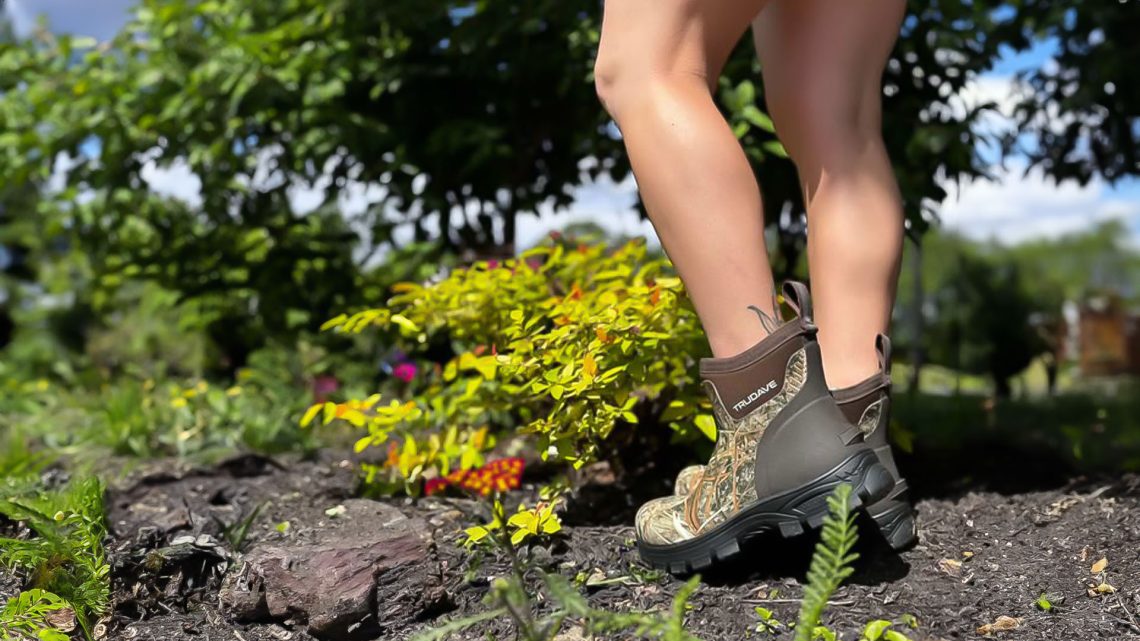
The 5-Year Rain Boot: How to Make Your Trudave Gear Outlast the Competition
You’ve finally done it. You’ve bought a pair of rain boots that actually work—100% waterproof, steel shank protection, and the right insulation for your climate. You’ve escaped the cheap boot trap and invested in gear that should last for years.
But here’s the question most people never ask: how do you keep them that way?
I’ve seen it happen a hundred times. A hunter buys a quality pair of boots, wears them hard for a season, and then tosses them in the garage when the weather warms up. By the time fall rolls around, the rubber has hardened, the neoprene has lost its flexibility, and water is seeping through invisible cracks.
The boots didn’t fail. The owner did.
Proper maintenance isn’t complicated. It takes about five minutes after each use and a little attention at the end of the season. But those five minutes can double—or even triple—the lifespan of your boots.
Here’s the field guide to keeping your Trudave rain boots alive for years, not seasons.
⚠️ Disclosure: This article is based on product specifications, independent gear reviews, and verified customer feedback from multiple sources. All factual claims are sourced from publicly available information. Our goal is to provide honest, practical information—not to sell you anything.
The Enemy: What Actually Kills Rain Boots
Before we talk about solutions, let’s name the problem.
Heat is the number one killer. Rubber and neoprene stay flexible because of oils within the material. Heat accelerates the evaporation of these essential compounds. Once they’re gone, the rubber hardens. Once it hardens, cracks form at every flex point—the toe crease, the heel cup, the seam where the upper meets the outsole.
The official care instructions for Trudave boots are explicit: “Avoid heat or sunlight to keep the rubber flexible and fully waterproof”. Every product page carries the same warning: “Rinse your boots with water, clean gently using mild soap, and air dry in a shaded area. Avoid sunlight or heat to protect the rubber and maintain insulation performance”.
Chemicals are the second killer. Degreasers, bleach, and harsh solvents strip the protective oils from rubber and neoprene. One application might not destroy your boots, but repeated exposure—even incidental—will shorten their life dramatically.
UV light is the silent killer. Direct sunlight degrades rubber over time, causing discoloration, hardening, and eventual cracking. Even through a window, UV exposure adds up.
Improper storage is the slow killer. In an uninsulated garage, summer heat bakes the rubber and winter cold makes it brittle. Folding or creasing the boots creates weak points that lead to splitting.
The Five-Minute Routine That Works
Here’s the simple routine that works across all Trudave rain boot series. It takes about five minutes after each use.
Step 1: Rinse after every use. A quick hose-down removes mud, manure, salt, and debris before they dry and degrade the rubber. “Rinse them with water after each use, wipe away dirt with mild soap, and air dry naturally”.
Step 2: Use mild soap only. For heavy dirt, use mild dish soap and a soft brush. Avoid degreasers, bleach, or harsh chemicals—these strip essential oils from the rubber and cause premature cracking.
Step 3: Air dry naturally—never use heat. Never put rubber boots on a radiator, in a dryer, or in direct sunlight. “Avoid heat or sunlight to keep the rubber flexible and fully waterproof”. Heat cracks rubber and ruins the waterproof seal.
Step 4: Remove the insoles. If your boots have removable insoles, take them out to dry separately. This prevents moisture from getting trapped between the insole and the boot, which can lead to odor and material breakdown.
Step 5: Store upright in a cool, dry place. Don’t fold or crease the boots, which creates weak points. Keep them away from direct sunlight and extreme temperatures.
That’s it. Five minutes. Done.
Seasonal Maintenance: The End-of-Season Check
At the end of each season—or at least once a year—give your boots a more thorough inspection.
Check the tread. Flip your boots over. When the lugs wear down and the sole feels hard like plastic instead of grippy rubber, it’s time for new boots. Don’t wait until you’re slipping on a wet surface to realize your boots are done.
Inspect for cracks. Pay special attention to the toe flex point and the seam between the upper and outsole. These are high-stress areas where failure typically begins. If you see small cracks forming, the boot’s waterproof integrity is compromised.
Check the fit. A boot that fit perfectly new can feel loose after the materials break in. If you notice excessive heel slip or your foot moving around inside the boot, add an aftermarket insole or consider sizing down next time.
Clean the camo carefully. If you own a camo-patterned model, be aware that the pattern may fade with hard use. One independent reviewer noted, “After a few weeks of hard use, the camo pattern on the toe began to fade and scuff. It didn’t affect the waterproofing or structural integrity of the boot—just cosmetics”. If cosmetics matter to you, solid colors hold up better over time.
What Real Owners Are Saying About Longevity
Trudave boots aren’t just tough out of the box—they stay tough with proper care.
Jorge, a pressure-washing professional who destroys footwear for a living, put his Trudave boots through the wringer: “I have gone through multiple pairs of shoes… all kinds of shoes $60 shoes $20 shoes and they all did not withstand the test of time. These have lasted me over a year will be definitely getting another pair once these go bad they are still going strong and they have definitely seen the harshest conditions I have put any shoes through”.
Cassandra Clark tested them in even more extreme conditions: “Fit perfectly. Warm in arctic expedition. On and off zodiacs and in water. They are waterproof. Hiked in them and all. These boots were perfect. No sore feet or legs. No blisters”.
Another verified owner reported: “It has been about two months now and these boots are still going strong and keeping our feet protected. Would recommend these boots 100%”.
The consistent theme across reviews is that Trudave boots hold up under real-world abuse—but only when they’re given basic care.
The Trudave Boots Worth Maintaining
Trudave offers multiple rain boot series, each built with the same commitment to durability and value. Here’s what makes each one worth the investment.
6mm Neoprene Series — The Heavy-Duty Workhorse. Built for the toughest jobs, these boots feature heavy-duty insulation and steel shank support that keeps your feet warm and stable during hours of winter chores or barn work. The steel shank is a feature rarely seen at this price point, providing critical underfoot puncture protection—stopping nails, thorns, and sharp rocks from punching through the sole.
AquaGuard Series — The All-Weather Workhorse. 100% waterproof, crafted from industrial-grade rubber that seals out water and mud. The non-slip rubber outsoles provide excellent grip and stability on wet floors, muddy ground, and slick job sites. Designed with cushioned insoles, breathable lining, and ergonomic arch support.
BloomBoot Series — The Lightweight Garden Boot. Features a 4.5mm neoprene upper and rubber shell that keep your feet dry in mud, rain, or wet grass. Built-in side handles make gloved on/off effortless, and the soft neoprene lining provides cozy next-to-skin feel with light warmth and breathability.
MudTrek Series — The Year-Round Versatile Boot. Made from durable waterproof rubber with a rubber shell and neoprene shaft that lock out water and mud. Lightweight, quick to rinse, and designed for all-day comfort in chilly, damp conditions.
The Bottom Line: Protect Your Investment
Here’s the honest truth about rain boots in 2026.
You can spend $50–$80 on a pair of Trudave boots that are built to last, then neglect them and watch them fail in a season. Or you can spend five minutes after each use caring for them—and get five years of reliable service.
The difference isn’t the boots. It’s the care.
Independent reviewers who’ve tested Trudave boots through real-world conditions put it this way: “If you’re hunting, working long shifts outdoors, or just need a reliable pair of waterproof boots that won’t break the bank, Trudave delivers surprisingly solid value”.
The barn doesn’t care what logo is on your boots. The garden doesn’t check the brand tag. It only cares if your feet are dry, warm, and protected when the work needs doing.
| Decision Factor | Verdict |
|---|---|
| Waterproofing | ⭐⭐⭐⭐⭐ — 100% rubber/neoprene with sealed seams |
| Steel shank protection | ⭐⭐⭐⭐⭐ — Available on many models; rare at this price point |
| Insulation options | ⭐⭐⭐⭐⭐ — Range from uninsulated to 6mm neoprene |
| Slip resistance | ⭐⭐⭐⭐ — Deep lugs and non-slip outsoles |
| Value for money | ⭐⭐⭐⭐⭐ — Direct pricing undercuts legacy brands significantly |
| Ease of cleaning | ⭐⭐⭐⭐⭐ — Rubber surfaces rinse clean in seconds |
| Sizing accuracy | ⭐⭐⭐⭐ — Slightly large; predictable if you follow the chart |
Trudave delivers boots that can last for years. The rest is up to you. Five minutes after each use. A little attention at the end of the season. And your boots will be ready for whatever comes next.
Now go outside. Your boots will handle the rest—if you let them.


You May Also Like

Shelter from the Storm: Building Windbreaks That Last All Season
Spring Grazing Rotation: Balancing Livestock and Grass Recovery