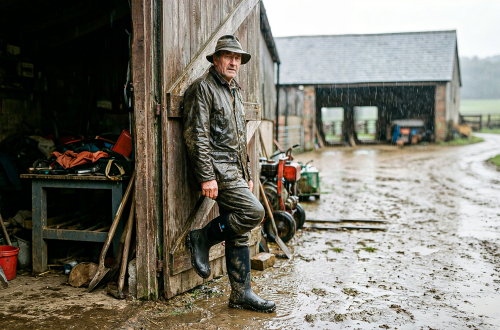
Best Boots for Hog Farm Work: A Practical Guide for Wet Barns, Manure, and Long Shifts
Hog farming is one of the toughest environments for work footwear.
Workers may spend an entire shift moving between pig barns, wet concrete aisles, manure-covered floors, loading areas, feed rooms, wash-down zones, muddy service roads, and outdoor pens.
The boots may be exposed to water, urine, manure, feed residue, disinfectants, cleaning chemicals, and repeated changes in temperature.
Ordinary leather work boots can absorb moisture and odor.
Casual rain boots may keep water out but provide too little cushioning, heel stability, or traction for long hours inside a hog operation.
The best boots for hog farm work should be fully waterproof, easy to clean, comfortable for extended wear, stable on wet floors, and compatible with the farm’s biosecurity procedures.
This guide explains how to choose practical pig farm boots for hog barns, farrowing rooms, nursery areas, finishing barns, loading facilities, wash-down work, and everyday livestock chores.
Why Hog Farm Work Requires Specialized Boots
Swine facilities create a demanding combination of moisture, organic material, hard flooring, and repetitive movement.
Workers commonly walk across:
- Wet concrete.
- Slatted floors.
- Rubber mats.
- Manure.
- Feed residue.
- Mud.
- Gravel.
- Metal thresholds.
- Loading ramps.
- Wash-down areas.
- Outdoor service lanes.
A boot that performs well in deep mud may feel unstable on wet concrete.
A flat outsole may grip hard floors but collect manure and feed around the tread.
Hog farm footwear must balance traction, comfort, hygiene, and durability across several different surfaces.
Fully Waterproof Construction Is Essential
Water exposure is part of daily hog farm work.
Boots may encounter:
- High-pressure wash water.
- Wet manure.
- Urine.
- Leaking drinkers.
- Cleaning systems.
- Rain.
- Muddy outdoor areas.
- Standing water.
- Sanitation procedures.
Water-resistant footwear may handle a brief splash.
It may not remain dry through an entire shift of repeated exposure.
Rubber or molded waterproof boots provide a simple protective barrier and are generally easier to clean than multi-material footwear with fabric panels and exposed seams.
Look for construction intended for continuous wet agricultural use.
Easy-Clean Materials Save Time and Improve Hygiene
Pig barn boots can collect manure, feed, bedding, hair, mud, and biological material.
Cleaning is important for odor control, traction, and farm biosecurity.
Useful design features include:
- Smooth waterproof uppers.
- Minimal seams.
- Open tread channels.
- Removable insoles.
- Nonabsorbent exterior materials.
- Simple shaft construction.
- Easy-to-rinse outsoles.
Complex tread patterns and fabric-covered uppers may trap material and increase cleaning time.
The easiest boot to maintain is usually one with simple, accessible surfaces.
Rubber Boots vs Leather Work Boots for Hog Farms
Both types of footwear have useful applications, but they perform differently in swine environments.
Rubber Hog Farm Boots
Rubber boots are often the most practical option inside wet barns.
Advantages include:
- Reliable waterproof protection.
- Easy manure removal.
- Reduced odor absorption.
- Fast entry and removal.
- Tall shaft options.
- Compatibility with many wash stations.
- Fewer absorbent materials.
They are especially useful for:
- Barn inspections.
- Pen cleaning.
- Wash-down work.
- Manure handling.
- Water-system repairs.
- Loading areas.
- Muddy outdoor chores.
Potential disadvantages include:
- Limited breathability.
- Heat buildup.
- Possible heel movement.
- Less ankle adjustment.
- Basic cushioning in inexpensive models.
Leather Work Boots
Leather boots may offer:
- Better ankle support.
- More precise fit.
- Greater breathability.
- Improved comfort on dry ground.
- Better performance around machinery and workshops.
However, leather usually requires more maintenance and may absorb moisture, manure odor, and cleaning chemicals over time.
Many hog operations use dedicated rubber boots inside livestock areas and separate work boots for maintenance shops, offices, and dry outdoor tasks.
Biosecurity Should Shape Boot Selection
Footwear can move manure, soil, organic material, and microorganisms between barns, age groups, and farms.
Many swine operations use strict footwear rules.
These may include:
- Dedicated boots for each barn.
- Clean and dirty entry zones.
- Shower-in and shower-out procedures.
- Color-coded footwear.
- Boot-wash stations.
- Approved disinfectants.
- Visitor boot covers.
- Separate footwear for isolation areas.
The best hog farm boot must fit the facility’s actual biosecurity system.
A comfortable boot that cannot be cleaned effectively may not be appropriate.
Always follow veterinary, facility, and product instructions.
Cleaning Must Happen Before Disinfection
Disinfectants work less effectively when heavy manure and organic material remain on the footwear.
A proper process usually begins with physical cleaning.
A typical routine may involve:
- Removing visible manure.
- Rinsing the outsole and shaft.
- Brushing tread channels.
- Washing with an approved cleaner.
- Rinsing when required.
- Applying the approved disinfectant.
- Allowing the correct contact time.
- Drying the boots completely.
Do not mix cleaners or disinfectants unless specifically approved.
The farm’s written procedure should always take priority.
Choose the Right Boot Height
Boot height affects protection, heat, weight, and mobility.
Ankle-Height Waterproof Boots
These may be suitable for:
- Offices.
- Equipment rooms.
- Dry feed areas.
- Light maintenance.
- Short outdoor tasks.
They provide limited protection in wet pens and wash-down zones.
Mid-Calf Hog Farm Boots
Mid-calf boots work well for:
- Routine barn checks.
- Feeding.
- General livestock care.
- Light cleaning.
- Moving between buildings.
- Moderate outdoor mud.
They are usually lighter and cooler than knee-high boots.
Tall Rubber Hog Boots
Tall boots provide greater protection during:
- Heavy wash-down work.
- Deep manure.
- Muddy loading areas.
- Wet pens.
- Flooded service lanes.
- Intensive cleaning.
- Outdoor livestock work.
Choose the lowest shaft that safely handles the wettest task.
Extra height adds protection but also increases heat and weight.
Best Boots for Farrowing Rooms
Farrowing rooms require careful movement, frequent cleaning, and good hygiene.
Footwear should provide:
- Waterproof construction.
- Smooth easy-clean surfaces.
- Secure heel fit.
- Stable traction.
- Low or moderate weight.
- Comfortable cushioning.
- Compatibility with sanitation procedures.
Workers may spend long periods standing or bending.
A supportive footbed and flexible forefoot can improve comfort during repetitive tasks.
Dedicated footwear may be required to reduce contamination between farrowing areas and other barns.
Best Boots for Nursery Pig Barns
Nursery barns may include smooth flooring, wet areas, feed residue, and frequent sanitation.
Boots should offer:
- Good wet-floor traction.
- Easy cleaning.
- Lightweight construction.
- Stable heel positioning.
- Enough toe room.
- Removable insoles.
- Moderate shaft height.
Extremely deep outdoor lugs may not be ideal on smooth indoor surfaces.
A balanced tread pattern is usually more practical.
Best Boots for Finishing Barns
Finishing barns may involve long walking distances, manure, feed systems, loading preparation, and repeated movement across hard floors.
Useful features include:
- Durable waterproof uppers.
- Cushioned midsoles.
- Stable heel structure.
- Slip-resistant outsoles.
- Easy-clean tread.
- Appropriate boot height.
- Manageable weight.
Workers who spend many hours on concrete should pay particular attention to underfoot support.
Thin rain-boot insoles may not provide enough cushioning for full shifts.
Best Boots for Hog Loading Areas
Loading pigs requires controlled movement on ramps, concrete, metal, mud, and changing elevations.
Footwear should not feel loose or unpredictable.
Look for:
- Secure heel retention.
- Flexible forefoot movement.
- Stable traction.
- A defined heel.
- Moderate outsole depth.
- Supportive cushioning.
- Durable construction.
Metal ramps and wet concrete can become slippery.
Packed manure can reduce traction further.
Clean the outsole regularly and move carefully around livestock.
Best Boots for Wash-Down Work
Wash-down tasks expose boots to water, manure, cleaning chemicals, and smooth wet floors.
Suitable footwear should provide:
- Fully waterproof construction.
- Chemical compatibility.
- Slip-resistant rubber.
- Smooth uppers.
- Tall enough coverage.
- Easy-clean outsoles.
- Secure fit.
High-pressure water can force contamination into seams and openings.
A simple molded design is generally easier to rinse and inspect.
Traction on Wet Concrete
Wet concrete is one of the most important surfaces in hog facilities.
Water, manure, feed, detergent, and biofilm can reduce grip.
Look for outsoles with:
- Flexible rubber.
- Good surface contact.
- Fine tread edges.
- Water channels.
- Moderate tread depth.
- Stable heel construction.
Very aggressive mud lugs may reduce contact on smooth flooring.
No outsole is completely slip-proof.
Good housekeeping and cautious movement remain essential.
Traction on Slatted Floors
Slatted floors require stable, predictable contact.
Footwear should not have tread features that catch awkwardly in openings or create an unstable platform.
Look for:
- Moderate outsole thickness.
- Stable heel design.
- Good flexibility.
- Secure foot positioning.
- Tread suited to the facility surface.
The best sole depends on the width, spacing, and material of the slats.
Workers should follow facility safety practices and avoid running or making sudden turns.
Traction in Manure and Mud
Manure and mud require enough lug depth to penetrate soft material.
Open tread helps release debris.
Look for:
- Widely spaced lugs.
- Multidirectional grip.
- A defined heel.
- Open channels.
- Easy brushing.
- Durable rubber compounds.
Closely spaced grooves can fill quickly and create a smooth layer underneath.
Packed manure also adds weight and odor.
Clean the tread before the material dries.
Comfort for Long Hog Farm Shifts
Hog farm workers may stand and walk for many hours.
Comfort depends on more than waterproofing.
Good work boots should provide:
- Cushioned midsoles.
- Removable footbeds.
- Arch support.
- Stable heel positioning.
- Enough forefoot width.
- Shock absorption.
- Reasonable boot weight.
- Moisture management.
Very soft cushioning may feel comfortable initially and collapse later in the shift.
The ideal midsole combines support and shock reduction.
Removable Insoles Are Worth Prioritizing
Removable insoles make boots easier to dry and maintain.
They can be:
- Cleaned separately.
- Replaced when worn.
- Upgraded for support.
- Rotated between shifts.
- Removed to improve airflow.
Inspect insoles regularly.
Replace them when they become:
- Flat.
- Uneven.
- Cracked.
- Permanently smelly.
- Thin beneath the heel.
- No longer supportive.
A worn footbed can make a waterproof boot feel uncomfortable even when the outer shell is still in good condition.
Secure Heel Fit Improves Stability
Pull-on rubber boots often allow some heel movement.
A small amount may be normal.
Excessive movement can cause:
- Blisters.
- Foot fatigue.
- Reduced balance.
- Unstable movement on ramps.
- Difficulty changing direction.
- Poor control in mud.
Look for shaped heel cups, supportive ankle construction, and proper sizing.
Avoid buying oversized boots simply for easier entry.
Extra size usually creates more movement.
Make Sure the Toe Box Is Wide Enough
Feet may swell during long shifts.
The toe box should allow natural movement without permitting excessive sliding.
A proper fit should provide:
- Comfortable forefoot width.
- Enough room for work socks.
- No pressure on the little toe.
- No contact with the front.
- Stable foot positioning.
- Space for normal swelling.
Workers with wide feet should look for dedicated wide sizing or naturally broad boot shapes.
Boot Weight Affects Worker Fatigue
Hog farming involves repeated walking, turning, bending, carrying, and equipment checks.
Heavy boots increase effort.
Tall shafts, thick rubber, safety toes, insulation, and deep outsoles all add weight.
Some features may be necessary.
Others may provide more protection than the task requires.
Choose the lightest boot that still provides:
- Waterproofing.
- Required height.
- Appropriate traction.
- Durability.
- Safety features.
- Long-wear support.
Summer Hog Farm Boots
Swine barns can be warm and humid.
Heavily insulated boots may become uncomfortable quickly.
For warm conditions, look for:
- Uninsulated construction.
- Lightweight liners.
- Moderate shaft height.
- Moisture-wicking socks.
- Removable insoles.
- Quick-drying interiors.
- Manageable weight.
Change damp socks when practical.
Dry the boots completely between shifts.
Winter Hog Farm Boots
Winter work may involve cold outdoor loading areas, snow, frozen mud, and unheated service spaces.
Cold-weather boots may need:
- Waterproof construction.
- Light or moderate insulation.
- Flexible low-temperature materials.
- Traction for snow and slush.
- Room for warm socks.
- Insulated footbeds.
The boots should not compress the toes.
Tight footwear can reduce circulation.
Oversized boots can create heel slip.
Proper fit is essential.
Best Socks for Hog Farm Boots
Cotton socks absorb sweat and dry slowly.
Wool-blend and synthetic work socks usually manage moisture more effectively.
Look for socks that:
- Fit smoothly.
- Extend above the boot collar.
- Wick moisture.
- Cushion the heel and forefoot.
- Match the temperature.
- Avoid bulky seams.
Lightweight socks are usually better in warm barns.
Heavier socks may be useful during cold outdoor work when the boot has enough room.
Do Hog Farm Boots Need Safety Toes?
Protective toes may be useful around:
- Feed handling.
- Heavy gates.
- Equipment.
- Pallets.
- Maintenance areas.
- Loading operations.
- Construction work.
Steel toes add weight and may transfer cold.
Composite toes can provide protection with less metal-related cold transfer.
The correct choice depends on job hazards, employer requirements, and applicable safety standards.
A waterproof boot is not automatically a rated safety boot.
Chemical Compatibility Matters
Hog operations may use detergents, disinfectants, acids, alkaline cleaners, pest-control products, and veterinary chemicals.
Not every rubber compound resists every substance.
Chemical exposure may cause:
- Swelling.
- Softening.
- Cracking.
- Discoloration.
- Adhesive failure.
- Reduced waterproofing.
Review the boot manufacturer’s material specifications and the chemical safety information.
Do not assume ordinary rain boots provide specialized chemical protection.
How to Clean Hog Farm Boots
A practical cleaning routine may include:
- Remove visible manure and feed.
- Rinse the exterior.
- Brush the tread.
- Wash with an approved cleaner.
- Rinse when required.
- Apply an approved disinfectant.
- Allow the specified contact time.
- Remove the insoles.
- Dry the boots fully.
Use dedicated farm-cleaning tools.
Do not clean heavily contaminated footwear in household food-preparation areas.
How to Remove Manure From the Tread
Clean the outsole before manure dries.
Use water and a stiff nonmetallic brush.
Work between the lugs and around the heel.
Avoid sharp metal tools that may damage the outsole.
A simple, open tread pattern is easier to maintain than one with many narrow recesses.
Clean tread improves both grip and hygiene.
How to Prevent Hog Boot Odor
Odor may come from sweat, manure, damp insoles, and incomplete drying.
To reduce odor:
- Wear clean moisture-wicking socks.
- Remove insoles after each shift.
- Rinse manure promptly.
- Dry the interior completely.
- Rotate between two pairs.
- Replace worn footbeds.
- Use activated-charcoal inserts after drying.
- Store boots in moving air.
Strong fragrance does not replace cleaning.
The source of moisture and contamination must be removed.
How to Dry Hog Farm Boots
Even fully waterproof boots become damp inside from sweat.
After work:
- Remove the insoles.
- Wipe visible moisture.
- Open the shafts.
- Direct airflow inside.
- Use a low-temperature boot dryer when approved.
- Avoid direct high heat.
Radiators, fireplaces, and strong heaters can damage rubber and adhesives.
Daily workers may benefit from rotating two pairs so each has enough drying time.
How Often Should Hog Farm Boots Be Replaced?
Replacement depends on daily wear, concrete exposure, cleaning, chemical contact, and storage.
Inspect footwear regularly for:
- Cracks.
- Leaks.
- Smooth tread.
- Sole separation.
- Damaged lining.
- Compressed cushioning.
- Permanent odor.
- Chemical damage.
- Unstable heel structure.
A boot can remain waterproof while becoming unsuitable because traction or support has worn out.
When Should Hog Farm Boots Be Replaced Immediately?
Immediate replacement may be necessary when:
- Cracks prevent effective cleaning.
- Water enters repeatedly.
- Tread becomes dangerously smooth.
- Chemical damage appears.
- The sole begins separating.
- The lining cannot be cleaned.
- The heel feels unstable.
- Strong odor remains after proper care.
- The boot no longer fits securely.
Damaged footwear can hold organic material and interfere with sanitation procedures.
Common Mistakes When Buying Hog Farm Boots
Buying Casual Rain Boots
Light-duty boots may lack work-grade support, durability, and traction.
Choosing a Mud-Only Outsole
Deep lugs may feel unstable on smooth concrete and slatted floors.
Ignoring Biosecurity Requirements
The boot must fit the facility’s cleaning and movement procedures.
Buying Boots Too Large
Oversized footwear creates heel slip and instability.
Choosing Too Much Insulation
Warm barns can make insulated boots uncomfortable.
Ignoring Boot Weight
Heavy boots increase fatigue during long shifts.
Never Replacing Insoles
Footbeds often wear out before the waterproof shell.
Storing Boots While Damp
Moisture contributes to odor, mold, and lining breakdown.
How to Choose the Best Boots for Hog Farm Work
Before purchasing, consider your actual work environment.
Ask:
Will the boots remain inside one barn?
Do they need to pass through a wash station?
How much time is spent on concrete?
Are slatted floors common?
What cleaning chemicals are used?
Are safety toes required?
How warm are the barns?
How many hours will the boots be worn?
Can the insoles be removed?
How easy is the tread to clean?
Then compare:
- Waterproof construction.
- Ease of cleaning.
- Chemical compatibility.
- Outsole design.
- Boot height.
- Heel stability.
- Toe room.
- Weight.
- Cushioning.
- Replaceable footbeds.
For farmers, livestock workers, and agricultural employees comparing waterproof footwear, Trudave Gear offers boots designed for wet farms, mud, livestock environments, rain, and demanding outdoor work.
Choose footwear according to the surfaces, sanitation procedures, temperatures, and working hours involved in the job.
Frequently Asked Questions
What are the best boots for hog farm work?
The best hog farm boots are waterproof, easy to clean, stable on wet concrete, comfortable for long shifts, and compatible with farm biosecurity procedures.
Are rubber boots good for pig farms?
Yes. Rubber boots resist water, clean easily, and provide practical protection in hog barns, wash-down areas, manure, and muddy farm environments.
What tread is best for hog barns?
A moderate, open tread that provides wet-floor contact without trapping excessive manure or feed is usually a practical choice.
Should hog farm boots be tall?
Tall boots are useful for heavy washing, deep manure, and muddy loading areas. Mid-calf boots may be cooler and lighter for routine barn checks.
Do hog farm workers need steel-toe boots?
Protective toes may be required around feed, machinery, loading areas, gates, or maintenance tasks. Requirements depend on the job.
How do you disinfect hog farm boots?
Remove visible organic material first, clean the boot, and apply an approved disinfectant according to farm procedures and product instructions.
Why do hog farm boots smell?
Odor commonly comes from sweat, manure, damp insoles, and storing boots before they are fully dry.
How often should hog boot insoles be replaced?
Replace them when they become flat, damaged, uneven, permanently smelly, or no longer supportive.
Can the same boots be worn in multiple hog barns?
Many farms require dedicated footwear or strict cleaning procedures between barns. Follow the operation’s biosecurity policy.
Final Thoughts
Hog farm footwear must do more than keep feet dry.
The boots need to handle manure, wash water, wet concrete, slatted floors, disinfectants, loading areas, and long shifts without becoming unstable or difficult to clean.
The best pair combines waterproof construction, easy-clean materials, secure heel fit, supportive cushioning, appropriate tread, and manageable weight.
Tall rubber boots provide useful protection for heavy cleaning, deep manure, and muddy outdoor work.
Mid-calf waterproof boots may be more comfortable for routine inspections, feeding, and warm indoor conditions.
Trudave Gear offers waterproof outdoor boots designed for wet farms, livestock environments, mud, rain, and demanding daily work.
Choose footwear based on the facility’s biosecurity procedures, the chemicals used, the surfaces crossed, and the number of hours spent on your feet.
Reliable hog farm boots should help workers move more confidently, clean up faster, and remain more comfortable from the first barn check to the end of the shift.


You May Also Like
What Your Pasture Needs Right Now That Most Ranchers Miss
Hay, Hard Work, and Heavy Coats: The Realities of Ranch Life Before Winter