-
Why Do Rubber Boots Crack? 9 Common Causes and How to Make Them Last Longer
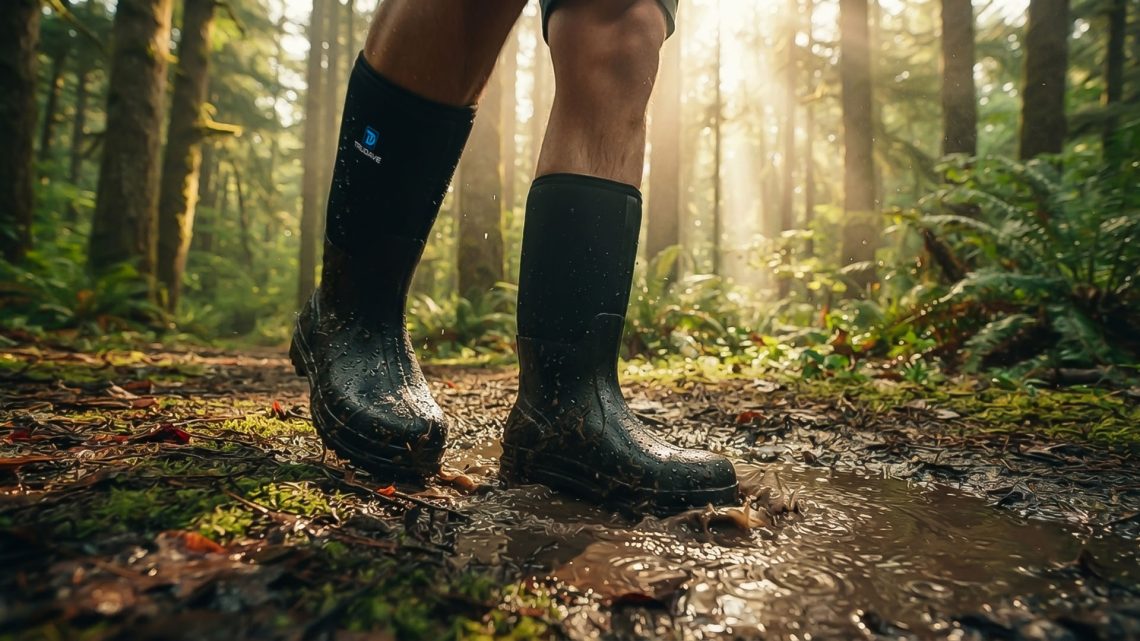
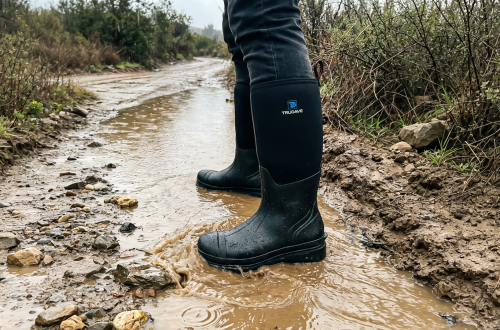
A good pair of rubber boots is designed to handle rain, mud, wet grass, standing water, and demanding outdoor conditions. But rubber boots do not last forever. Over time, some boots develop small surface cracks, split around flex points, become stiff, or start leaking even when the tread still looks usable. For hunters, anglers, farmers, and outdoor workers, cracked rubber boots are more than a cosmetic problem. Once the outer material loses its flexibility or develops a deep split, waterproof protection can quickly disappear. The frustrating part is that many rubber boots fail earlier than they should because of improper cleaning, storage, drying, or exposure to environmental conditions that gradually…
-
How Should Rain Boots Fit? A Practical Sizing Guide for Outdoor Use
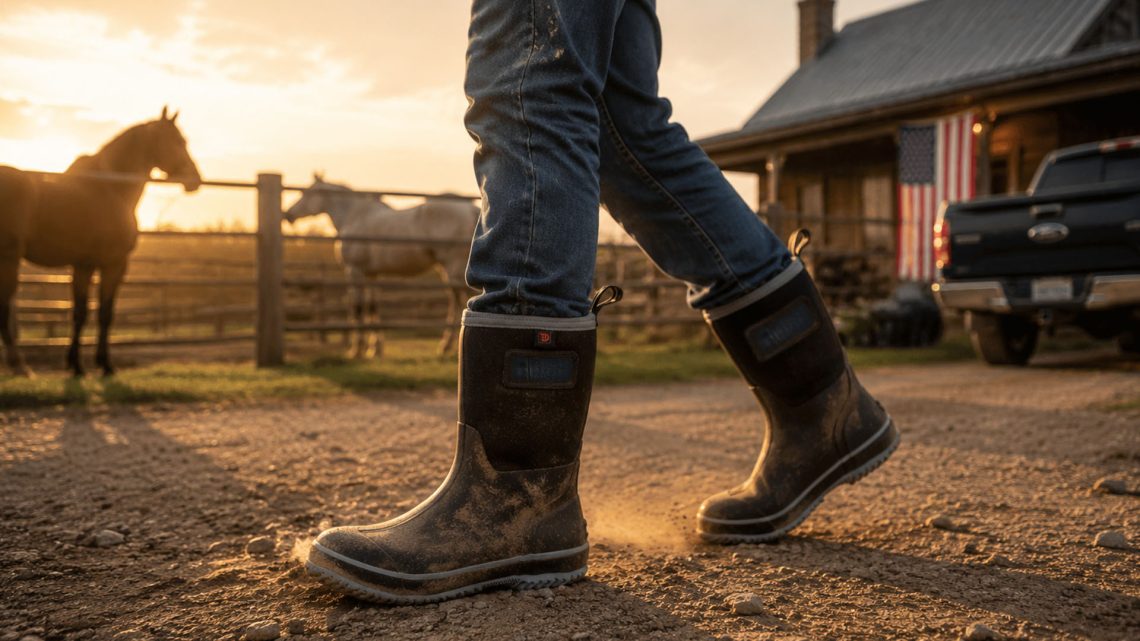
Traditional rubber boots do not stretch very much over time. If a pair feels painfully tight when you first try them on, they are unlikely to become significantly more comfortable after extended use. At the same time, buying oversized boots can create other problems. Excessively loose rain boots may cause: A slightly relaxed fit is useful because outdoor conditions change. You might wear lightweight moisture-wicking socks during warm weather and thicker wool socks when temperatures drop. Your boots should accommodate both situations without becoming uncomfortable. How Much Room Should You Have in the Toe Box? The toe box should provide enough space for your toes to move naturally. When standing…