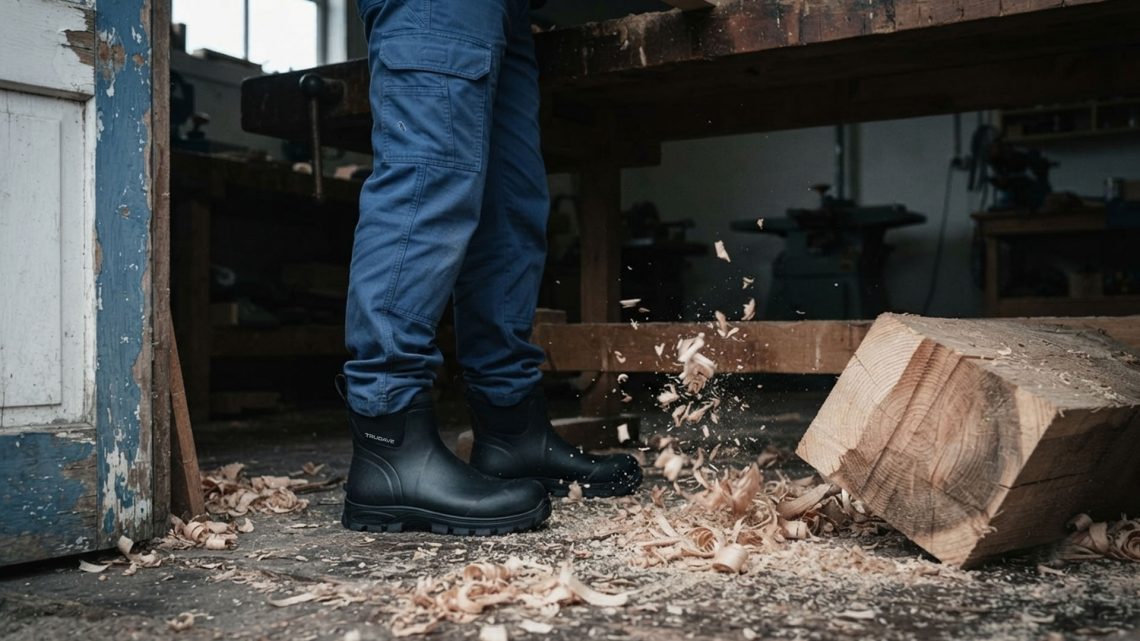
Best Boots for Mushroom Farm Work: Waterproof Footwear for Wet Floors, Compost, Washdown, and Long Shifts
Mushroom farming creates one of the most moisture-heavy work environments in agriculture.
Workers may spend long hours moving between growing rooms, compost areas, wet concrete floors, washdown stations, packing rooms, cold storage, loading docks, and equipment areas. The work may involve watering, harvesting, cleaning, moving trays, handling compost, pushing carts, washing floors, and standing on hard surfaces for most of the day.
Ordinary shoes are not built for this environment.
They absorb moisture, collect organic material, lose traction on wet concrete, and become difficult to clean.
Basic rain boots may keep water away, but many lack the support, heel stability, cushioning, and slip resistance needed for professional mushroom-farm work.
The best boots for mushroom farm work should provide dependable waterproof protection, secure heel retention, slip-resistant traction, supportive cushioning, easy-clean materials, and practical durability for wet floors, compost, soil, organic residue, and long agricultural shifts.
This guide explains how to choose practical mushroom farm boots for growing rooms, compost handling, harvesting, washdown work, packing areas, cold rooms, loading zones, and daily farm operations.
Why Mushroom Farm Work Is Hard on Boots
Mushroom farms are controlled growing environments, but they are not clean, dry, or easy on footwear.
Workers may regularly move across:
- Wet concrete floors.
- Compost areas.
- Growing-room aisles.
- Drainage channels.
- Washdown zones.
- Metal carts.
- Wooden pallets.
- Loading docks.
- Packing-room floors.
- Cold-storage areas.
- Gravel service roads.
- Muddy outdoor entrances.
- Equipment rooms.
- High-humidity spaces.
A boot that performs well outside in mud may not provide enough contact on smooth wet concrete.
A flat indoor sole may feel comfortable in a packing room but slip around compost, washdown water, or outdoor loading areas.
Mushroom-farm footwear needs a balanced design that works across wet hard floors, organic material, and long standing shifts.
Waterproof Protection Is Essential
Moisture is part of daily mushroom production.
Workers may encounter:
- Washdown water.
- High humidity.
- Condensation.
- Wet concrete.
- Compost moisture.
- Watering systems.
- Drainage channels.
- Cleaning solutions.
- Packing-room spills.
- Outdoor rain.
- Mud near entrances.
- Equipment washing.
Water-resistant shoes may handle light splashes, but they are not enough for repeated exposure to wet floors and organic material.
Fully waterproof rubber or molded work boots are usually more practical because they protect the foot and clean more easily after contact with compost, soil, mushroom residue, and washdown water.
Smooth waterproof uppers are especially useful because they reduce the number of areas where organic material can cling.
Rubber Boots vs Waterproof Work Boots
Both rubber boots and waterproof lace-up work boots can be useful on a mushroom farm.
The right choice depends on the worker’s main tasks.
Rubber Mushroom Farm Boots
Rubber boots are often the most practical choice for wet growing rooms and washdown areas.
Advantages include:
- Fully waterproof construction.
- Easy cleaning.
- Minimal moisture absorption.
- Smooth exterior surfaces.
- Fast entry and removal.
- Mid-calf and tall shaft options.
- Practical protection from compost and wash water.
They work well for:
- Growing-room work.
- Harvesting.
- Compost handling.
- Floor cleaning.
- Washdown tasks.
- Packing-room moisture.
- Outdoor muddy entrances.
- Sanitation-controlled zones.
Potential disadvantages include:
- Less breathability.
- Possible heel movement.
- Heat buildup.
- Limited ankle adjustment.
- Limited cushioning in basic models.
- Extra weight in tall designs.
Waterproof Lace-Up Work Boots
Waterproof lace-up boots may provide:
- Better ankle support.
- More precise fit.
- Stronger heel retention.
- Better comfort for long walking routes.
- More control around equipment.
- Better stability on ramps and loading docks.
- More protection around tools and machinery.
They may be better for:
- Loading and shipping.
- Equipment maintenance.
- Outdoor service areas.
- Pallet handling.
- Gravel yards.
- Long walking shifts.
- Facility repairs.
- Mixed indoor and outdoor work.
Many mushroom farms benefit from using rubber boots in wet production areas and supportive waterproof work boots for maintenance, loading, and outdoor routes.
Choosing the Right Boot Height
Boot height affects protection, comfort, heat, and mobility.
Ankle-Height Waterproof Boots
Ankle-height waterproof boots may work for:
- Dry packing areas.
- Office-to-farm movement.
- Equipment operation.
- Short inspections.
- Light warehouse work.
- Clean storage areas.
They provide limited protection from washdown water, compost splashes, wet floors, and deeper organic buildup.
Mid-Calf Mushroom Farm Boots
Mid-calf boots are often the most versatile choice for:
- Daily growing-room work.
- Harvesting.
- Wet concrete.
- Compost handling.
- Floor washing.
- Packing support.
- Moderate outdoor mud.
- General farm tasks.
They provide useful coverage without the full heat and weight of knee-high boots.
Tall Rubber Boots
Tall boots are useful for:
- Heavy washdown work.
- Deep compost exposure.
- High-splash cleaning.
- Drainage maintenance.
- Storm cleanup.
- Standing water.
- Outdoor mud.
Tall boots provide more protection but can become warm and heavy during long indoor shifts.
Choose the lowest height that safely handles the normal work environment.
Best Boots for Mushroom Growing Rooms
Growing rooms are usually humid and may have wet floors, narrow aisles, carts, shelving, trays, and organic material.
Suitable boots should provide:
- Waterproof construction.
- Slip-resistant tread.
- Secure heel retention.
- Moderate shaft height.
- Easy-clean uppers.
- Supportive cushioning.
- Flexible forefoot movement.
- Manageable weight.
Deep outdoor mud lugs may collect too much compost or growing media.
A moderate tread with broad surface contact is usually more practical for wet concrete and growing-room aisles.
Best Boots for Mushroom Harvesting
Mushroom harvesting can involve long hours of standing, reaching, bending, carrying containers, and walking between rows or shelves.
Footwear should provide:
- Comfortable cushioning.
- Waterproof protection.
- Secure heel positioning.
- Stable wet-floor traction.
- Lightweight support.
- Enough toe room.
- Easy cleaning.
- Good lateral stability.
Thin, flat rain boots may become uncomfortable during long harvesting shifts.
A work-grade waterproof boot with supportive insoles is generally more suitable for daily use.
Best Boots for Compost Handling
Compost areas expose boots to organic material, moisture, uneven ground, heat, odor, and frequent cleanup.
Suitable boots should provide:
- Fully waterproof uppers.
- Smooth easy-clean surfaces.
- Moderate open tread.
- Secure heel fit.
- Durable sidewalls.
- Supportive midsoles.
- Chemical compatibility where required.
- Appropriate shaft height.
Compost can pack into narrow outsole grooves.
Open tread channels are easier to rinse and inspect.
Best Boots for Wet Concrete Floors
Wet concrete is one of the most important mushroom-farm footwear concerns.
Floors may become slippery from water, compost, mushroom residue, cleaning products, and organic material.
Good boots should provide:
- Flexible rubber compounds.
- Broad outsole contact.
- Water-dispersing channels.
- Moderate tread depth.
- Stable heel construction.
- Secure fit.
- Supportive cushioning.
- Slip-resistant design.
Extremely deep agricultural lugs may reduce contact on smooth concrete.
For wet indoor floors, a balanced slip-resistant outsole is usually better than a mud-only tread.
Best Boots for Washdown Areas
Washdown tasks may expose workers to water, detergents, disinfectants, compost residue, mushroom debris, and smooth floors.
Suitable boots should provide:
- Fully waterproof construction.
- Tall enough shaft height.
- Broad outsole contact.
- Slip-resistant rubber.
- Secure heel retention.
- Smooth easy-clean uppers.
- Removable insoles when possible.
- Chemical compatibility where required.
Waterproof does not automatically mean chemical resistant.
Workers should verify that boot materials are compatible with the cleaners and disinfectants used on the farm.
Best Boots for Packing Rooms
Packing rooms may involve concrete floors, carts, boxes, pallets, moisture, mushroom residue, and long standing shifts.
Footwear should provide:
- Stable hard-floor traction.
- Waterproof uppers.
- Comfortable cushioning.
- Secure heel support.
- Moderate tread.
- Good lateral control.
- Protective toes where required.
- Easy-clean construction.
Workers who move between production rooms and packing areas should clean outsole buildup before entering cleaner zones.
Compost and organic material can reduce floor traction and increase cleanup work.
Best Boots for Cold Storage Areas
Cold storage creates different footwear demands from warm growing rooms.
Workers may move between humid production areas and cooler storage spaces.
Suitable boots may need:
- Waterproof construction.
- Light insulation.
- Thick midsoles.
- Flexible low-temperature rubber.
- Slip-resistant tread.
- Enough room for appropriate socks.
- Secure heel retention.
Too much insulation can become uncomfortable in warm growing rooms.
Workers who spend long periods in cold storage may need separate footwear from workers who mainly harvest or wash floors.
Best Boots for Loading and Shipping
Loading areas may include trucks, pallets, forklifts, wet concrete, ramps, gravel, and outdoor mud.
Suitable boots should provide:
- Stable hard-surface traction.
- Waterproof construction.
- Secure ankle support.
- Protective toes where appropriate.
- Moderate outsole thickness.
- Comfortable cushioning.
- Predictable movement on ramps.
Mud, compost, and mushroom residue should be removed from tread before workers step onto metal ramps, trailer floors, or forklifts.
Packed material can make a good outsole perform poorly.
Best Boots for Equipment Maintenance
Mushroom farm equipment may include conveyors, carts, watering systems, fans, pumps, forklifts, and cleaning tools.
Maintenance workers may encounter:
- Wet concrete.
- Oil.
- Grease.
- Tools.
- Metal parts.
- Electrical systems.
- Drainage areas.
- Outdoor service roads.
Suitable boots should provide:
- Waterproof protection.
- Stable traction.
- Secure ankle support.
- Oil resistance where needed.
- Protective toes when required.
- Puncture resistance where appropriate.
- Good ladder or step contact.
Ordinary rubber boots should not be assumed to provide protection from electrical hazards.
Use task-specific safety footwear when required.
Best Boots for Workers Standing All Day
Mushroom farm workers may spend full shifts standing on hard floors.
Comfort depends on:
- Shock-absorbing midsoles.
- Supportive removable insoles.
- Stable heel cups.
- Proper arch support.
- Flexible forefoot movement.
- Enough toe room.
- Moderate boot weight.
- Moisture management.
Basic rain boots may keep water out but still cause foot fatigue after several hours.
When comparing waterproof work footwear from brands such as Trudave Gear, consider all-day support together with waterproofing, traction, and cleanability.
Traction on Wet Floors
Wet floors require flexible rubber and stable surface contact.
Look for:
- Moderate tread depth.
- Broad contact areas.
- Water-dispersing channels.
- Stable heel construction.
- Secure heel fit.
- Slip-resistant outsole design.
Compost, soil, mushroom residue, and cleaning products can reduce traction.
Clean soles and clean floors are both important.
Traction on Compost and Organic Material
Compost and organic material may create a soft, uneven, or slippery layer on floors.
Suitable outsoles should provide:
- Open tread channels.
- Moderate lug depth.
- Easy-clean design.
- Flexible rubber.
- Defined heel edges.
- Secure foot positioning.
Deep narrow grooves may hold organic material and become difficult to rinse.
Simple tread patterns are usually easier to maintain.
Traction on Metal Ramps and Carts
Workers may step onto ramps, carts, ladders, and metal platforms.
Suitable boots should provide:
- Stable outsole edges.
- Secure heel retention.
- Moderate sole thickness.
- Flexible rubber.
- Predictable foot placement.
- Good hard-surface contact.
Loose pull-on boots can reduce control on narrow steps or ramps.
For frequent climbing, waterproof lace-up work boots may provide better support.
Traction on Outdoor Mud
Outdoor entrances and loading zones may become muddy after rain or washdown runoff.
Mud-focused boots should provide:
- Open tread channels.
- Wide lug spacing.
- Defined heel braking.
- Waterproof shafts.
- Flexible rubber.
- Secure heel fit.
Workers should clean outdoor mud before entering production or packing areas.
Mud transfer can reduce traction and create sanitation problems.
Secure Heel Retention
Heel movement creates friction and reduces control.
Excessive heel slip may cause:
- Blisters.
- Foot fatigue.
- Poor cart control.
- Instability on wet floors.
- Difficulty walking through mud.
- Reduced ramp control.
- Noise from internal movement.
Pull-on rubber boots may allow slight movement.
The heel should not lift dramatically with every step.
Choose properly sized footwear with a shaped heel cup or supportive ankle area.
Toe Room for Long Shifts
Feet may swell during long indoor agricultural shifts.
A suitable toe box should provide:
- Natural toe movement.
- Comfortable width.
- No front contact.
- No pressure on the little toe.
- Room for work socks.
- Stable foot positioning.
Workers with wide feet should choose wide-fit footwear rather than buying a longer size.
Oversized boots increase heel movement and reduce stability.
Boot Weight Matters
Mushroom farm workers make thousands of small steps while harvesting, pushing carts, cleaning, and packing.
Heavy footwear adds effort to every movement.
Boot weight may increase because of:
- Tall shafts.
- Thick rubber.
- Safety toes.
- Heavy insulation.
- Aggressive tread.
- Extra reinforcement.
Choose the lightest boot that still provides the required waterproof protection, traction, support, and durability.
Tall heavy livestock boots may be unnecessary for many indoor mushroom-farm tasks.
Heat and Humidity Inside Mushroom Farms
Mushroom production areas may be humid, damp, and physically demanding.
Suitable footwear should prioritize:
- Uninsulated construction.
- Manageable weight.
- Removable insoles.
- Moisture-wicking socks.
- Quick-drying interiors.
- Moderate shaft height where possible.
Fully waterproof footwear naturally traps more heat than breathable shoes.
Workers should dry boots completely after each shift and rotate pairs when possible.
Cold and Damp Work Areas
Some mushroom facilities include cool rooms, cold storage, refrigerated packing areas, or damp low-temperature spaces.
Cold-area footwear may need:
- Waterproof construction.
- Light insulation.
- Thick midsoles.
- Flexible low-temperature rubber.
- Room for warm socks.
- Secure heel retention.
- Slip-resistant traction.
The right insulation depends on how much time the worker spends in cold areas versus warm growing rooms.
Best Socks for Mushroom Farm Work
Cotton socks absorb moisture and dry slowly.
Wool-blend and synthetic work socks usually perform better in damp work environments.
Choose socks that:
- Wick moisture.
- Fit without bunching.
- Extend above the boot collar.
- Cushion the heel and forefoot.
- Match the temperature.
- Avoid bulky seams.
Keeping spare socks available can improve comfort during long wet shifts.
Do Mushroom Farm Workers Need Safety-Toe Boots?
Safety-toe footwear may be useful around:
- Pallets.
- Forklifts.
- Heavy carts.
- Packing equipment.
- Loading docks.
- Tools.
- Compost equipment.
- Maintenance areas.
- Metal racks.
Steel toes provide impact protection but add weight and may transfer heat or cold.
Composite toes may reduce weight and temperature transfer.
The correct choice depends on workplace hazards and employer requirements.
Waterproof footwear is not automatically safety rated.
Puncture and Abrasion Resistance
Mushroom farms may contain:
- Nails.
- Staples.
- Broken pallets.
- Metal racks.
- Sharp tools.
- Wire.
- Equipment parts.
- Damaged flooring.
A thick-looking outsole is not automatically puncture resistant.
Workers exposed to puncture hazards should choose footwear with appropriate safety ratings.
Durable uppers also help resist abrasion from carts, trays, racks, and pallets.
Chemical and Disinfectant Compatibility
Mushroom farms may use:
- Detergents.
- Disinfectants.
- Sanitizers.
- Cleaning products.
- Agricultural treatments.
- Fuel.
- Oil.
- Equipment fluids.
Ordinary waterproof boots are not automatically resistant to every substance.
Chemical exposure may cause:
- Swelling.
- Softening.
- Cracking.
- Discoloration.
- Adhesive failure.
- Reduced waterproofing.
- Loss of outsole traction.
Use footwear and personal protective equipment specified by product labels, safety documentation, employer procedures, and manufacturer guidance.
Mushroom Farm Sanitation and Boot Cleaning
Footwear can move compost, soil, mushroom residue, organic material, pests, and microbes between production zones.
Sanitation procedures may include:
- Dedicated boots for certain rooms.
- Boot-wash stations.
- Disinfection points.
- Separate indoor and outdoor footwear.
- Visitor boot covers.
- Cleaning between production areas.
- Controlled boot storage.
Visible organic material should be removed before disinfectant is applied.
A dirty boot bath does not guarantee clean footwear.
Follow the farm’s sanitation and production protocol.
Dedicated Boots for Growing Rooms
Some mushroom farms may use dedicated footwear for specific production areas.
Dedicated boots should be:
- Easy to clean.
- Clearly marked.
- Stored in the correct zone.
- Compatible with approved disinfectants.
- Free from heavy compost buildup.
- Inspected for cracks.
- Dried completely.
- Replaced when damaged.
Simple rubber boots are often practical because they have fewer absorbent materials and can be cleaned quickly.
Easy-Clean Boot Design
Useful mushroom farm boot features include:
- Smooth waterproof uppers.
- Minimal stitching.
- Limited fabric.
- Open tread channels.
- Rounded exterior surfaces.
- Removable insoles.
- Few decorative overlays.
- Nonabsorbent materials.
Complex seams, exposed foam, fabric panels, and narrow tread grooves can trap compost and organic residue.
Simple work-focused construction is usually easier to clean thoroughly.
How to Clean Mushroom Farm Boots
A practical cleaning routine includes:
- Remove compost, soil, and mushroom residue.
- Rinse the exterior.
- Brush the outsole channels.
- Wash with an approved cleaner when needed.
- Apply disinfectant according to farm procedures.
- Inspect for cracks, cuts, and punctures.
- Remove damp insoles when possible.
- Dry the boots completely.
- Store footwear in a clean, ventilated area.
Regular cleaning helps maintain traction, reduce odor, and support farm sanitation.
How to Remove Compost From Boot Tread
Compost and organic material can pack tightly into outsole grooves.
Clean boots before material dries completely.
Use:
- Running water.
- A stiff nonmetallic brush.
- A blunt plastic cleaning tool.
- A designated boot scraper.
Avoid sharp metal tools that may cut the rubber.
Open tread channels are easier to clean than deep narrow grooves.
How to Remove Mushroom Residue
Mushroom residue and growing media may become slippery or sticky on boot surfaces.
Rinse footwear promptly.
Use mild soap or an approved cleaner when necessary.
Pay attention to:
- Outsole grooves.
- Heel edges.
- Toe areas.
- Shaft creases.
- Pull tabs.
- Spaces around the sole.
Avoid harsh solvents unless the boot manufacturer confirms they are safe.
How to Prevent Mushroom Farm Boot Odor
Odor may develop from sweat, damp interiors, compost, organic material, and incomplete drying.
Reduce odor by:
- Wearing moisture-wicking socks.
- Rinsing dirty boots.
- Removing insoles after work.
- Drying interiors completely.
- Rotating between two pairs.
- Replacing worn footbeds.
- Storing boots in moving air.
- Cleaning organic residue promptly.
Fragrance only masks odor temporarily.
Moisture and residue must be removed.
How to Dry Waterproof Mushroom Farm Boots
Waterproof boots can become damp inside from sweat or water entering through the top.
After work:
- Remove insoles when possible.
- Wipe visible moisture.
- Open the shafts.
- Direct airflow inside.
- Use a low-temperature boot dryer when approved.
- Avoid strong direct heat.
Radiators, vehicle heaters, fireplaces, and high-temperature dryers can damage rubber, adhesives, insulation, and linings.
Workers using boots daily may benefit from rotating between two pairs.
How Long Should Mushroom Farm Boots Last?
Boot lifespan depends on:
- Daily hours of use.
- Concrete exposure.
- Water exposure.
- Compost contact.
- Chemical exposure.
- Cleaning frequency.
- Outsole wear.
- Material quality.
- Storage conditions.
- Worker weight.
Inspect boots regularly for:
- Cracks.
- Leaks.
- Smooth tread.
- Sole separation.
- Chemical damage.
- Cuts.
- Compressed cushioning.
- Unstable heel support.
A boot may remain waterproof while losing the traction, support, or cleanability needed for safe mushroom-farm work.
When Should Mushroom Farm Boots Be Replaced?
Replace boots when:
- Water enters repeatedly.
- Tread becomes dangerously worn.
- The outsole separates.
- Cracks continue spreading.
- Chemical damage appears.
- The interior cannot be cleaned.
- Heel support becomes unstable.
- Cushioning collapses.
- Repairs repeatedly fail.
Keep backup footwear available for critical production, washdown, and packing areas.
Common Mistakes When Buying Mushroom Farm Boots
Buying Casual Rain Boots for Full Shifts
Light-duty rain boots may lack support, cushioning, traction, and durability.
Choosing Deep Mud Lugs for Smooth Floors
Aggressive lugs may provide less contact on wet concrete and collect compost.
Buying Boots Too Large
Oversized footwear creates heel slip and instability.
Ignoring Concrete Cushioning
Waterproofing alone does not provide all-day comfort.
Assuming Waterproof Means Chemical Resistant
Cleaners and disinfectants may damage ordinary rubber.
Wearing Outdoor Mud Into Growing Rooms
Mud transfer can create sanitation and traction problems.
Disinfecting Before Removing Compost
Organic material can reduce disinfectant effectiveness.
Forgetting Cold Storage Conditions
Workers in cool areas may need extra insulation or thicker socks.
Drying Boots With High Heat
Strong heat can crack rubber and damage adhesives.
How to Choose the Best Boots for Mushroom Farm Work
Before purchasing, consider the actual facility and job duties.
Ask:
Are workers mainly in growing rooms, compost areas, packing rooms, or loading zones?
Are floors wet concrete, gravel, mud, or mixed surfaces?
How often are floors washed?
Are disinfectants or sanitizers used?
Is cold storage part of the job?
Do workers push heavy carts?
Are forklifts or loading docks involved?
Are safety toes required?
Can the boots be cleaned and dried easily?
Can the insoles be removed?
Then compare:
- Waterproof construction.
- Boot height.
- Wet-floor traction.
- Compost-release tread.
- Heel retention.
- Cushioning.
- Boot weight.
- Chemical compatibility.
- Safety ratings.
- Ease of cleaning.
For mushroom farm workers, harvest crews, packing employees, and agricultural professionals comparing waterproof footwear, Trudave Gear offers boots designed for wet floors, rain, mud, farms, greenhouses, and demanding daily work.
Choose footwear based on floor surface, moisture exposure, compost contact, cleaning procedures, temperature, safety needs, and hours spent on your feet.
Frequently Asked Questions
What are the best boots for mushroom farm work?
The best mushroom farm boots are waterproof, comfortable for long shifts, easy to clean, securely fitted, and equipped with traction for wet concrete, compost, washdown areas, and packing floors.
Are rubber boots good for mushroom farms?
Yes. Rubber boots are practical for growing rooms, compost handling, wet floors, washdown work, and sanitation-controlled farm areas.
What tread is best for mushroom farm floors?
Moderate tread with flexible rubber, broad contact areas, and open channels usually works better on wet concrete than extremely deep mud lugs.
How tall should mushroom farm boots be?
Mid-calf boots work well for many daily tasks. Tall boots provide more protection during heavy washdown, deep compost exposure, and standing water.
Do mushroom farm workers need safety-toe boots?
Safety toes may be appropriate around forklifts, pallets, carts, racks, tools, loading docks, and maintenance equipment.
Are waterproof boots resistant to disinfectants?
Not automatically. Chemical compatibility must be confirmed for the specific disinfectants and cleaners used.
Should growing rooms have dedicated boots?
Some farms use dedicated footwear for specific rooms or production zones to reduce contamination transfer. Follow the facility’s sanitation protocol.
How do you clean compost from rubber boots?
Rinse the boots, scrub the outsole channels with a stiff nonmetallic brush, and follow the farm’s approved cleaning or disinfection procedure.
Why do mushroom farm boots smell?
Odor usually comes from sweat, damp interiors, compost, organic residue, and incomplete drying.
How often should mushroom farm boot insoles be replaced?
Replace insoles when they become flat, damaged, uneven, permanently smelly, difficult to clean, or no longer supportive.
Final Thoughts
Mushroom farm work requires footwear that can handle wet concrete, compost, organic residue, washdown water, growing rooms, packing areas, cold storage, loading docks, sanitation procedures, and long agricultural shifts.
The best boots provide dependable waterproof protection, secure heel retention, practical wet-floor traction, supportive cushioning, manageable weight, and materials that are easy to clean.
Mid-calf rubber boots are a strong choice for growing rooms, harvesting, wet floors, compost handling, and routine washdown tasks.
Tall waterproof boots provide more coverage during heavy cleaning, standing water, drainage maintenance, and high-splash work.
Supportive waterproof lace-up boots may be better for loading, shipping, equipment maintenance, gravel yards, ramps, and long walking routes.
Trudave Gear offers waterproof outdoor and work boots designed for wet floors, rain, mud, farms, greenhouses, and demanding daily conditions.
Choose footwear based on floor type, moisture exposure, compost contact, sanitation rules, temperature, safety requirements, and the number of hours spent on your feet.
Reliable mushroom farm boots should help workers stay drier, maintain better footing, reduce fatigue, and remain more comfortable from the first growing-room check to the final washdown of the day.


You May Also Like

Soft Ground, Heavy Hooves: Managing Livestock on Saturated Pastures

Maximizing Pasture Growth in Early Summer: Tips for Healthy Grasslands