Best Boots for Marina and Boatyard Maintenance
Working at a marina means spending the day where land and water constantly meet.
A marina employee may begin the morning walking rain-covered docks, help guide a boat into a lift, move through a gravel storage yard, pressure-wash a hull, inspect shore power equipment, clean a launch ramp, and finish the shift securing boats before another storm arrives.
The same pair of boots may encounter:
- Wet wood.
- Aluminum docks.
- Concrete piers.
- Fiberglass decks.
- Gravel.
- Mud.
- Algae.
- Saltwater.
- Freshwater.
- Pressure-wash runoff.
- Boat-bottom residue.
- Rain.
- Marine hardware.
That combination makes marina footwear different from ordinary construction boots or casual deck shoes.
The best boots for marina and boatyard work should provide dependable waterproof protection, secure footing on wet surfaces, enough cushioning for long shifts, good control around ladders and machinery, and construction that is easy to rinse after exposure to marine debris.
Marina Workers Need Footwear for Both Docks and Yards
One of the biggest challenges is that a marina is not one surface.
Employees may move continuously between:
- Floating docks.
- Fixed piers.
- Gravel storage yards.
- Concrete repair areas.
- Boat ramps.
- Workshops.
- Dry-stack buildings.
- Fuel docks.
A boot that works perfectly on a boat deck may feel uncomfortable on gravel.
A heavy yard boot may feel clumsy on a floating dock.
The most useful footwear often balances wet-surface contact with enough underfoot support for shore-based work.
Wet Docks Require More Than Deep Tread
Many people assume a deeper outsole always provides better traction.
On wet docks, that is not necessarily true.
Workers generally need:
- Broad rubber contact.
- Flexible outsole material.
- Water-dispersing grooves.
- Moderate tread depth.
- Stable heel contact.
Extremely aggressive mud lugs can reduce the amount of outsole touching flat dock surfaces.
Wooden Docks Create a Special Traction Problem
Wood can become slippery when exposed to:
- Rain.
- Spray.
- algae.
- morning moisture.
Older docks may also develop uneven boards and gaps.
Suitable footwear should provide:
- Good forefoot flexibility.
- secure heel fit.
- broad tread contact.
- predictable movement.
Workers should avoid footwear that feels excessively stiff or unstable on narrow dock sections.
Boots for Floating Docks
Floating docks move underfoot.
The worker is constantly making small balance adjustments.
This means footwear should not feel loose.
Useful features include:
- Secure heel retention.
- moderate weight.
- flexible soles.
- good lateral control.
Oversized rubber boots can make a moving surface feel even less predictable.
Boots for Aluminum Docks
Aluminum surfaces may become slick when wet.
Mud, algae, and fish residue can make the problem worse.
Workers should prioritize clean tread and broad rubber contact.
Carrying mud from a storage yard onto a metal dock can reduce traction regardless of how aggressive the outsole looks.
Boots for Concrete Piers
Concrete creates a different comfort issue.
Workers may spend hours walking or standing on hard surfaces.
Suitable boots should combine:
- Waterproof uppers.
- supportive midsoles.
- heel cushioning.
- moderate tread.
Thin recreational rain boots may keep feet dry but provide very little underfoot support.
Why Cushioning Matters at Marinas
Marina workers often stand while:
- Handling lines.
- fueling boats.
- speaking with customers.
- operating lifts.
- preparing boats for launch.
Hard docks and concrete yards create repetitive impact.
A supportive midsole can make a significant difference over a full shift.
Boots for Boat Launch Ramps
Launch ramps can be one of the most difficult surfaces at a marina.
They may be covered with:
- Water.
- algae.
- mud.
- sand.
- trailer residue.
Algae-covered ramps can be extremely slippery.
No ordinary work boot makes them completely safe.
Workers should combine suitable footwear with careful movement and facility maintenance.
Launch Ramp Tread Should Stay Clean
A boot packed with yard mud will provide less useful contact on a smooth ramp.
Workers should remove:
- Mud.
- gravel.
- marine debris.
before entering heavily used launch areas whenever practical.
Boots for Boat Haul-Out Crews
Haul-out work may involve:
- Travel lifts.
- slings.
- blocks.
- boats on stands.
- wet pavement.
- gravel.
Workers need stable footing while handling heavy equipment.
Protective-toe footwear may be appropriate depending on workplace procedures.
Boots Around Travel Lifts
Travel lifts are large machines operating around boats and water.
Workers may repeatedly move between:
- Concrete.
- gravel.
- wet dock edges.
- machine steps.
Footwear should provide:
- Secure heel support.
- stable equipment-step contact.
- moderate outsole thickness.
- durable construction.
Boots for Boat Blocks and Stands
Dry-stored boats may rest on stands or blocks.
Workers moving through these areas need controlled footing around:
- Gravel.
- tools.
- hoses.
- hardware.
A supportive waterproof lace-up boot may be more practical than a loose rubber pull-on.
Boots for Dry Storage Yards
Boatyards may contain large gravel or crushed-stone areas.
Workers walking long distances need:
- Durable outsole rubber.
- supportive midsoles.
- stable heel cups.
- good cushioning.
Very thin deck-style boots may become uncomfortable on sharp gravel.
Boots for Muddy Storage Areas
After prolonged rain, some yards develop mud between boat rows.
In these conditions, more open tread becomes useful.
Look for:
- Wider tread channels.
- defined heel edges.
- enough spacing to release soil.
- secure heel retention.
Mud Suction Can Pull at Loose Boots
Sticky yard mud can hold footwear during each step.
Oversized boots increase heel movement and fatigue.
A secure fit is particularly important for workers alternating between deep mud and ladders.
Boots for Hull Pressure Washing
After haul-out, hulls may be pressure washed.
This creates heavy splash and runoff.
Workers may be exposed to:
- Water.
- marine growth.
- mud.
- paint residue.
- shell fragments.
Waterproof mid-calf or taller boots can be useful.
Pressure Washing Requires More Than Waterproofing
A waterproof boot does not protect against direct high-pressure spray.
Workers should never aim a pressure washer toward their own feet or body.
Proper technique and PPE procedures remain essential.
Boat-Bottom Residue Can Make Floors Slick
Hull-cleaning areas may accumulate:
- Algae.
- slime.
- shell residue.
- water.
- sediment.
Tread should be simple enough to clean frequently.
Boots for Hull Cleaning Crews
Useful features include:
- Smooth waterproof uppers.
- easy-clean outsole channels.
- stable wet-floor contact.
- enough shaft coverage for splash.
Workers should avoid highly absorbent footwear.
Boots for Boat Detailing
Detailing employees may perform:
- Washing.
- waxing.
- polishing.
- interior cleaning.
They often bend and kneel repeatedly.
Very tall stiff boots can make this uncomfortable.
A lighter waterproof work boot may be better for detailing crews.
Boots for Boat Deck Washing
Workers may stand on:
- Fiberglass.
- synthetic decking.
- teak.
- painted surfaces.
These surfaces usually favor broad rubber contact rather than deep tread.
Footwear should also be kept free of stones that might damage finished boat surfaces.
Gravel Trapped in Tread Can Damage Boat Decks
Workers moving from the yard onto customer boats should inspect the outsole.
Small rocks trapped in deep grooves can scratch finished surfaces.
A simpler tread pattern is easier to check and clean.
Boots for Fuel Dock Workers
Fuel docks combine water exposure with petroleum-related hazards.
Employees may encounter:
- Rain.
- wet docks.
- hoses.
- fuel residue.
Waterproof does not automatically mean fuel resistant.
Footwear materials should be appropriate for workplace exposure.
Fuel Resistance Is Different From Waterproofing
A boot can prevent water penetration while still being damaged by petroleum products.
Workers around fueling operations should follow employer PPE requirements and check outsole and upper compatibility.
Boots for Shore Power Maintenance
Marinas provide electrical hookups near water.
Waterproof boots are not automatically electrically protective.
Electrical work requires appropriate PPE, procedures, and electrical ratings.
Footwear should never be treated as a substitute for proper electrical safety controls.
Boots for Pedestal Maintenance
Dock pedestals may provide:
- Electricity.
- Water.
- communications.
Maintenance staff may kneel or work in wet dock conditions.
Supportive waterproof lace-up boots can provide better fit and stability than loose rubber boots.
Boots for Water-Line Maintenance
Marina water systems may develop leaks around docks and service areas.
Workers may deal with:
- Hoses.
- pipes.
- flooded dock sections.
- standing water.
Mid-calf waterproof boots provide useful protection.
Boots for Bilge and Pump-Out Service
Some marina employees operate sewage pump-out equipment.
This work requires strict hygiene procedures.
Footwear should be:
- Fully waterproof.
- easy to clean.
- appropriate for facility sanitation processes.
Workers should follow all employer-specific PPE requirements.
Boots for Sewage Pump-Out Areas
These areas may involve:
- Hoses.
- wet docks.
- biological contamination.
Dedicated footwear may be useful.
Do not treat general-purpose waterproof boots as protection against every contamination hazard.
Boots for Marina Restroom and Facility Maintenance
Some employees also maintain:
- Restrooms.
- showers.
- public buildings.
They may need footwear that transitions between outdoor docks and indoor wet floors.
Moderate tread is usually more versatile than deep yard lugs.
Boots for Marine Workshops
Boatyards often include mechanical shops.
Workers may service:
- Engines.
- outboards.
- pumps.
- steering systems.
- trailers.
They may encounter:
- Oil.
- grease.
- coolant.
- fuel.
- concrete.
Maintenance technicians often need more specialized work footwear than dock attendants.
Boots for Marine Mechanics
Useful features may include:
- Safety toes.
- oil-resistant outsoles.
- ankle support.
- waterproof uppers.
- hard-floor cushioning.
Boots for Outboard Service Technicians
Outboard mechanics may move between:
- Boats.
- engine stands.
- workshops.
- docks.
A medium-height waterproof work boot provides a good balance between deck mobility and shop protection.
Boots for Trailer Repair Work
Trailer technicians may work around:
- Gravel.
- ramps.
- metal components.
- grease.
Protective footwear may be appropriate depending on tools and equipment.
Boots for Boat Lift Maintenance
Boat lifts may contain:
- Cables.
- motors.
- hydraulic systems.
- metal platforms.
Workers need precise footing.
Supportive waterproof lace-up boots are usually better than oversized rubber boots for equipment-focused work.
Boots for Dry-Stack Marina Employees
Dry-stack facilities move boats using forklifts or specialized machinery.
Workers may spend much of their time on:
- Concrete.
- machinery.
- loading zones.
They often need supportive waterproof safety boots rather than traditional tall marine boots.
Boots for Forklift Operators
Operators should prioritize:
- Pedal control.
- moderate outsole thickness.
- secure heel fit.
- stable machine-step traction.
Bulky knee-high rubber boots may be inconvenient.
Boots for Marina Forklift Support Crews
Ground workers may guide boat movements and handle racks.
Safety-toe footwear may be appropriate because of heavy equipment and boat hardware.
Boots for Dock Cart Work
Marina staff may use carts to move:
- Supplies.
- luggage.
- batteries.
- ice.
- boating equipment.
Workers pushing heavy carts benefit from stable heel support and good hard-surface traction.
Boots for Marina Customer-Service Crews
Some workers split time between:
- Office spaces.
- docks.
- fueling areas.
They may want footwear that is waterproof but relatively clean-looking.
A lower-profile waterproof work boot often works well.
Public-Facing Appearance Can Matter
Marina employees may interact constantly with boat owners and guests.
Smooth, easy-clean uppers help workers move from dirty maintenance tasks to customer-facing areas.
Boots for Dock Line Handling
Dockhands regularly handle:
- Ropes.
- fenders.
- cleats.
Their footwear should allow fast foot placement without excessive bulk.
Rope Hazards Around Feet
Loose lines can create trip or entanglement hazards.
Footwear should not have unnecessary protruding features.
Simple boot construction can be useful around rope-heavy environments.
Boots for Mooring Maintenance
Workers may inspect:
- Cleats.
- pilings.
- chains.
- lines.
- anchors.
They may move between wet docks and service boats.
Secure heel fit and good lateral stability become important.
Boots for Piling Inspection
Piling areas may contain algae and wet marine growth.
Workers should use extreme caution.
No standard boot eliminates slipping around heavily fouled surfaces.
Boots for Storm Preparation
Before storms, marina workers may:
- Add dock lines.
- remove equipment.
- secure boats.
- move carts.
- inspect pumps.
Rain and wind may already be increasing.
Waterproof boots with secure fit become especially useful.
Wind Makes Loose Footwear More Difficult
Strong winds require better balance.
Loose boots can make foot placement feel less precise.
A secure heel and stable outsole improve confidence.
Boots for Post-Storm Cleanup
After storms, workers may encounter:
- Branches.
- flooded docks.
- debris.
- mud.
- damaged hardware.
More rugged protective footwear may be required.
Hidden Debris Can Create Puncture Hazards
Storm cleanup areas may contain:
- Screws.
- nails.
- wire.
- broken dock hardware.
A thick rubber sole is not automatically puncture resistant.
Use rated footwear when required.
Boots for Winter Marina Work
Cold-climate marinas may involve:
- Snow.
- slush.
- icy docks.
- freezing spray.
Workers may need:
- Waterproof construction.
- cold-flexible outsole rubber.
- moderate insulation.
- thicker midsoles.
- warm socks.
Ice on Docks Requires Separate Controls
No ordinary boot completely solves ice traction.
Facilities may need:
- Deicing.
- surface treatment.
- approved traction devices.
Boots for Spring Commissioning
Spring is busy at many seasonal marinas.
Workers may prepare:
- Docks.
- lifts.
- boats.
- water systems.
Conditions often include:
- Rain.
- cold water.
- mud.
- gravel.
A versatile waterproof work boot is especially useful.
Boots for Fall Haul-Out Season
Fall may involve:
- Wet leaves.
- cold rain.
- heavy boat movement.
- pressure washing.
Workers may spend long hours on their feet.
Cushioning and waterproofing become increasingly important.
Summer Marina Boots
Warm weather creates heat inside heavy waterproof footwear.
Most summer workers should avoid unnecessary insulation.
Look for:
- Lightweight construction.
- moderate shaft height.
- removable insoles.
- moisture-wicking socks.
Wet Boots Can Still Become Damp From Sweat
Waterproof construction keeps outside moisture away, but perspiration can build inside.
This is especially noticeable during humid summer shifts.
Best Socks for Marina Workers
Synthetic and wool-blend socks generally work better than cotton.
Useful features include:
- Moisture management.
- fast drying.
- heel cushioning.
- secure fit.
Boot Weight Matters on Long Docks
Large marinas may contain thousands of feet of dock space.
Workers can cover substantial distances during a shift.
Heavy footwear adds fatigue.
Cushioning Helps on Concrete and Wood
Even though marinas are associated with water, much of the walking still occurs on hard surfaces.
Supportive midsoles improve all-day comfort.
Removable Insoles Make Marine Work Easier
Removable footbeds help workers:
- Dry boots.
- replace cushioning.
- control odor.
- improve support.
Saltwater Requires Regular Maintenance
Salt may accumulate around:
- Seams.
- hardware.
- outsole edges.
Workers in coastal marinas should rinse footwear with fresh water regularly.
Freshwater Marinas Still Need Boot Cleaning
Even without salt, boots may collect:
- Algae.
- mud.
- fuel-area residue.
- gravel.
- leaves.
Regular cleaning helps maintain traction.
How to Clean Marina Work Boots
A practical routine may include:
- Remove gravel and dock debris.
- Rinse salt or freshwater residue.
- Brush algae and mud from tread.
- Clean chemical or fuel exposure according to workplace procedures.
- Inspect for cuts.
- Remove damp insoles.
- Allow footwear to dry completely.
How to Remove Algae From Boot Tread
Use:
- Fresh water.
- A stiff nonmetallic brush.
- A blunt cleaning tool.
Do not allow slippery organic residue to remain packed in outsole grooves.
How to Dry Marine Work Boots
After a wet shift:
- Remove insoles.
- open the shaft.
- allow airflow.
- use low-temperature drying when approved.
Avoid strong direct heat.
Rotating Two Pairs Can Be Useful
Full-time marina workers may have wet boots several days in a row.
Rotating two pairs allows additional drying time.
When Marina Work Boots Should Be Replaced
Replace footwear when:
- Waterproofing repeatedly fails.
- tread becomes smooth.
- the outsole separates.
- rubber cracks.
- heel support collapses.
- chemical damage develops.
- safety components are damaged.
Do Marina Workers Need Safety-Toe Boots?
Some roles may require protective toes, especially around:
- Travel lifts.
- forklifts.
- boat stands.
- batteries.
- heavy equipment.
- maintenance shops.
Dock attendants may have different requirements.
Puncture Protection in Boatyards
Boatyards may contain:
- Screws.
- nails.
- wire.
- fiberglass fragments.
- metal hardware.
A normal outsole does not automatically provide puncture resistance.
Fiberglass and Boat Repair Areas
Repair operations may create sharp fragments and dust.
Workers should use footwear and PPE appropriate for the repair process.
Chemical Exposure in Boatyards
Workers may encounter:
- Fuel.
- solvents.
- cleaners.
- bottom-paint products.
- antifouling coatings.
- oils.
Waterproof boots are not automatically resistant to these materials.
Follow product and workplace PPE requirements.
Common Mistakes When Buying Marina Work Boots
Buying Deep Mud Boots for Dock-Only Work
Flat wet docks usually need broader surface contact.
Choosing Thin Deck Boots for Gravel Yards
They may lack enough cushioning and durability.
Wearing Boots Too Loose on Floating Docks
Secure heel retention improves balance.
Choosing Tall Rubber Boots for Equipment Operators
Pedal movement can become uncomfortable.
Ignoring Saltwater Maintenance
Salt should be rinsed regularly.
Assuming Waterproof Means Fuel Resistant
Marine service areas introduce separate chemical hazards.
Letting Gravel Stay in Tread
Small stones can damage finished boat decks.
Buying Casual Rain Boots for Full Boatyard Shifts
They may lack enough support and protection.
How to Choose the Best Boots for Marina Work
Start with the employee’s main responsibility.
For dockhands, prioritize:
- Wet-dock traction.
- waterproof construction.
- secure heel fit.
- moderate weight.
For haul-out crews, prioritize:
- Strong support.
- mixed-surface traction.
- safety protection where required.
- waterproofing.
For pressure-wash crews, prioritize:
- More shaft coverage.
- easy-clean materials.
- wet-floor traction.
For marine mechanics, prioritize:
- Safety features.
- oil resistance where necessary.
- hard-floor comfort.
- ankle support.
For forklift and dry-stack crews, prioritize:
- Pedal control.
- secure heel position.
- moderate outsole thickness.
For fuel-dock workers, prioritize:
- Wet-surface traction.
- waterproofing.
- appropriate material resistance.
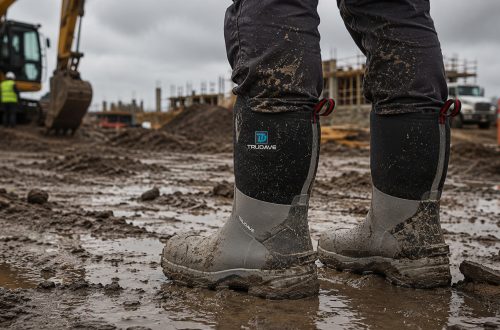
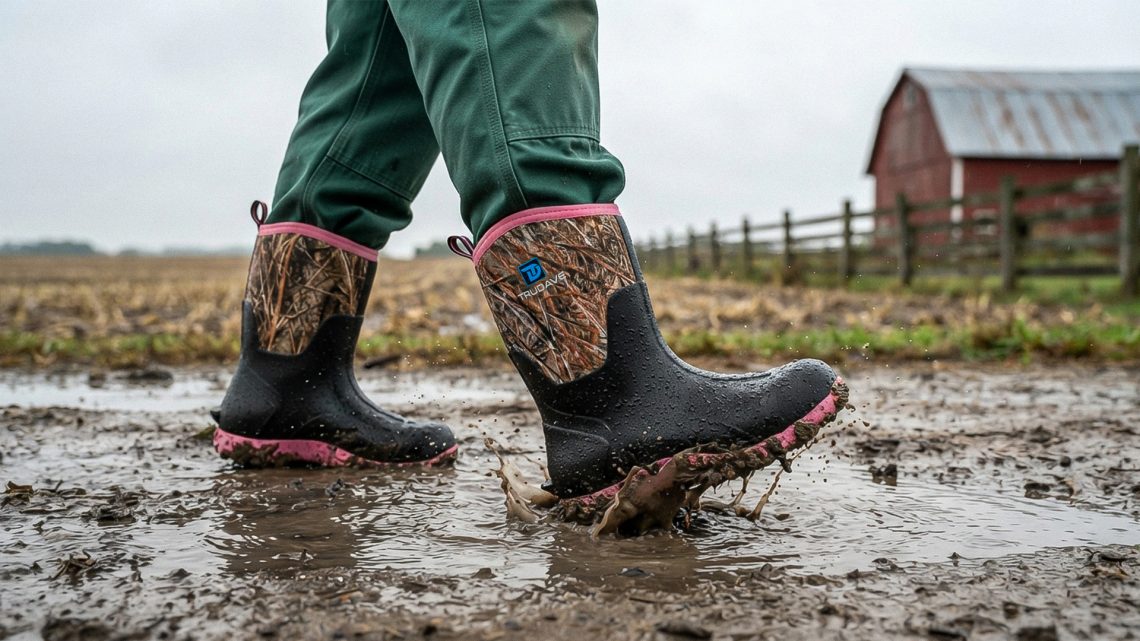
Workers comparing waterproof footwear from brands such as Trudave Gear should choose according to the actual balance of docks, gravel yards, boat equipment, pressure washing, rain, and marine maintenance involved in their job.
Frequently Asked Questions
What are the best boots for marina workers?
The best marina boots are waterproof, securely fitted, comfortable on hard surfaces, easy to clean, and equipped with traction suitable for wet docks, concrete, gravel, and boatyard areas.
Are rubber boots good for marina work?
Yes. Rubber boots are particularly useful for pressure washing, heavy rain, dock cleaning, splash exposure, and wet haul-out work.
What boots are best for wet docks?
Waterproof boots with flexible rubber, broad outsole contact, moderate grooves, secure heel support, and manageable weight work well.
How tall should marina work boots be?
Mid-height or mid-calf boots are versatile for many marina jobs. Taller boots may be useful for pressure washing, shallow standing water, and heavy storm cleanup.
Are deep mud boots good for dock workers?
Usually not for dock-only work. Deep lugs may reduce useful contact on smooth wood, metal, or concrete surfaces.
What boots are best for boatyard workers?
Supportive waterproof work boots with durable outsoles, mixed-surface traction, cushioning, and appropriate safety protection are practical.
Do marina workers need safety-toe boots?
Some haul-out, dry-stack, mechanical, forklift, battery, and heavy-equipment jobs may require safety-toe footwear.
Are waterproof marina boots fuel resistant?
Not automatically. Material compatibility should be checked for fuel, oil, solvents, and other marine-service chemicals.
How should saltwater work boots be cleaned?
Rinse them with fresh water, remove marine debris and mud from tread, clean any chemical contamination according to workplace procedures, and allow them to dry completely.
What boots are best for marina pressure washing?
Fully waterproof boots with enough splash coverage, easy-clean uppers, good wet-surface traction, and supportive cushioning are practical.
Final Thoughts
Marina and boatyard work combines wet docks, gravel yards, boat lifts, pressure washing, fuel areas, launch ramps, workshops, ladders, storms, and long hours on hard surfaces.
The best footwear depends on the employee’s role.
Dockhands need lightweight waterproof boots with secure footing on wood, metal, and concrete.
Haul-out crews need more support and potentially additional safety protection.
Pressure-wash employees benefit from greater shaft coverage and easy-clean construction.
Marine mechanics often need structured waterproof safety boots with better hard-floor comfort.
Dry-stack and equipment operators need predictable pedal control.
Fuel-dock workers may require additional material compatibility beyond basic waterproofing.
Trudave Gear offers waterproof outdoor and work footwear suited to rain, wet surfaces, docks, gravel, mud, and demanding marine work environments.
Choosing footwear according to the actual marina role can help workers stay drier, maintain better footing, reduce fatigue, and move more confidently from the first dock inspection in the morning to the final boat secured at the end of the day.


You May Also Like

Micro-Forage Management: Maximizing Small Patches of High-Quality Grass

Leaf Litter or Compost Gold? Smart Ways to Use Fall Foliage