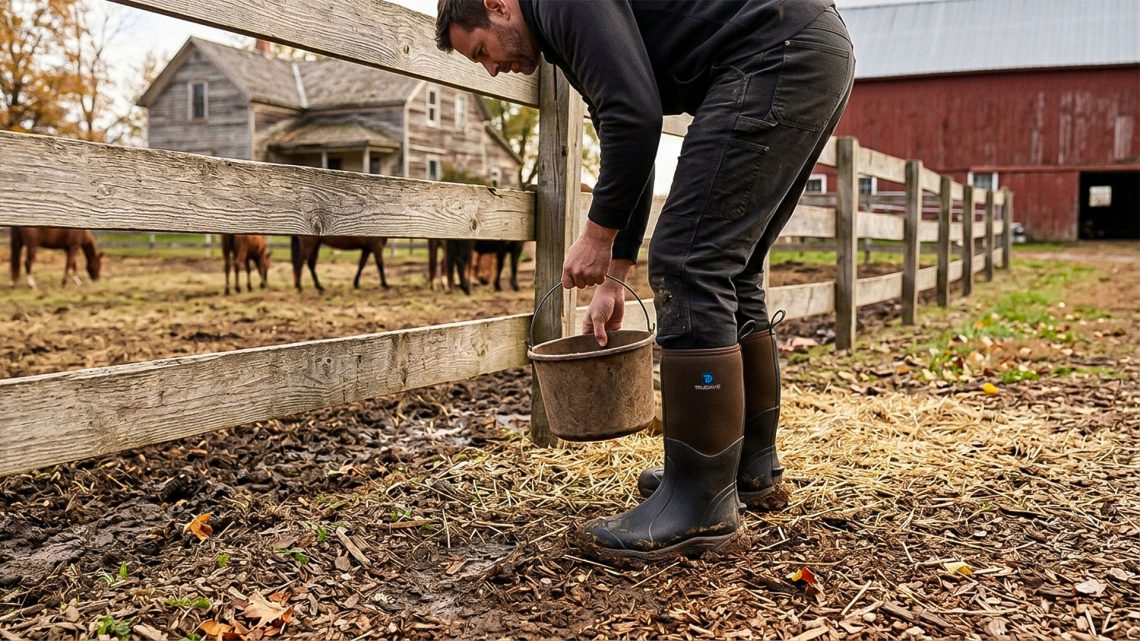
Best Boots for Brewery and Beverage Production Work
Brewery and beverage production work combines wet concrete, food-processing sanitation, tanks, pumps, hoses, heavy kegs, packaging lines, cold storage, loading docks, and long shifts spent standing on hard floors.
A production worker may begin the day checking tanks, move through a wet brewhouse, handle hoses, clean processing equipment, transport kegs, inspect a bottling line, enter a cold room, and finish the shift with a full production-floor washdown.
Footwear may encounter:
- Wet concrete.
- Wash water.
- Foam and cleaning residue.
- Grain.
- Beverage spills.
- Hoses.
- Stainless-steel platforms.
- Floor drains.
- Kegs.
- Pallets.
- Cold-room floors.
- Loading docks.
That makes waterproof footwear particularly useful in beverage-production environments.
The best boots for brewery workers should keep feet dry, provide stable traction on wet hard surfaces, remain comfortable during long concrete shifts, clean easily, and offer enough protection for employees working around tanks, kegs, forklifts, pumps, and packaging equipment.
Brewery Floors Are Wet by Design
Water is used throughout beverage production.
Workers may encounter moisture from:
- Equipment cleaning.
- Tank rinsing.
- Floor washdown.
- Hose connections.
- Beverage spills.
- Drainage.
Even well-maintained production floors may be damp for significant portions of the day.
Water-resistant shoes may eventually become saturated.
Fully waterproof boots provide more reliable protection.
Concrete Is One of the Biggest Footwear Challenges
Most brewery workers spend much of the day on hard flooring.
Common surfaces include:
- Concrete.
- Epoxy-coated floors.
- Tile.
- Metal grating.
Waterproofing is important, but cushioning matters just as much.
Workers should look for:
- Supportive midsoles.
- Removable footbeds.
- Stable heel cups.
- Flexible outsole construction.
Boots for Brewhouse Workers
Brewhouse employees may work around:
- Mash tuns.
- Kettles.
- Pumps.
- Piping.
- Hoses.
These areas may become wet throughout production.
Suitable footwear should provide:
- Full waterproofing.
- Secure heel fit.
- Broad hard-floor contact.
- Easy-clean construction.
- Good cushioning.
Deep Agricultural Tread Is Usually Unnecessary
Very deep lugs may be useful in mud, but most brewery workers operate on smooth industrial floors.
Aggressive tread may:
- Trap grain.
- Hold organic residue.
- Be harder to sanitize.
- Feel less stable on stairs.
Moderate, open grooves are usually more practical.
Boots for Mash Areas
Grain and water may create wet organic residue.
Workers may encounter:
- Spilled grain.
- Water.
- Cleaning solution.
Simple tread is easier to rinse afterward.
Wet Grain Can Affect Traction
Grain mixed with water may create a slippery layer.
No ordinary boot eliminates this risk.
Prompt cleanup remains essential.
Boots for Brew Kettle Areas
Workers may operate around heated vessels.
Waterproof boots are useful for wet floors, but waterproofing does not automatically provide heat protection.
Task-specific PPE should be used where thermal exposure exists.
Waterproof Does Not Mean Heat Resistant
A boot that performs well during washdown may still be unsuitable for:
- Hot liquids.
- Steam.
- Heated equipment surfaces.
Facility safety procedures should guide footwear selection.
Boots for Fermentation Areas
Fermentation rooms may contain:
- Tanks.
- Hoses.
- Pumps.
- Floor drains.
Employees may spend long periods walking on wet concrete.
A waterproof work boot with strong cushioning is practical.
Boots for Tank Inspection
Workers may move around closely spaced vessels.
Bulky footwear can reduce mobility.
A moderate-profile waterproof boot often works better.
Boots for Tank Cleaning
Cleaning tanks may involve:
- Water.
- Hoses.
- Approved sanitation products.
Additional shaft coverage can help protect against ordinary splash.
Confined Space Procedures Come First
Some tank-entry tasks may involve confined-space hazards.
Footwear is only one part of the required safety system.
Boots for Hose Handling
Beverage plants use hoses constantly.
Workers may need to:
- Step over them.
- Pull them.
- Reposition them.
Secure heel retention and moderate outsole thickness improve control.
Bulky Tread Can Make Hose Work Harder
Oversized lugs may catch on or around equipment.
A simpler hard-floor outsole is usually more practical.
Boots for Cellar Workers
Cellar employees may manage:
- Fermentation.
- Conditioning.
- Transfers.
- Cleaning.
They often spend nearly the entire shift on hard flooring.
Underfoot support becomes critical.
Cushioning Matters During Long Cellar Shifts
Workers may stand for hours while monitoring equipment.
Supportive midsoles help reduce repeated impact.
Boots for Beverage Transfer Work
Workers may transfer liquid between:
- Tanks.
- Containers.
- Packaging systems.
Small spills can quickly make floors wet.
Fully waterproof footwear is useful.
Boots for Pump Rooms
Pumps may be used throughout a beverage facility.
Technicians may service:
- Motors.
- Pumps.
- Valves.
- Fittings.
More structured waterproof safety footwear may be appropriate.
Waterproof Does Not Mean Electrical Protection
Powered pump systems may involve electrical hazards.
General waterproof boots are not automatically electrically rated.
Boots for Pump Maintenance
Workers handling heavy mechanical components may need:
- Safety-toe protection.
- Durable uppers.
- Stable outsole construction.
Boots for Keg Handling
Kegs are one of the heaviest items handled manually in many breweries.
Workers may:
- Roll.
- Lift.
- Stack.
- Move.
Protective-toe footwear may be appropriate.
Kegs Create Impact Hazards
A dropped or rolling keg can injure feet.
Employees should follow workplace safety requirements for protective footwear.
Boots for Keg Washing
Keg-washing areas may involve:
- Water.
- Steam.
- Cleaning systems.
- Wet floors.
Waterproof boots with easy-clean uppers are practical.
Boots for Keg-Filling Lines
Workers may stand for long periods beside automated equipment.
Hard-floor cushioning becomes important.
Boots for Keg Storage Areas
Keg storage may involve:
- Concrete.
- Pallets.
- Forklifts.
Safety footwear may be required.
Boots for Bottling Lines
Bottling workers may operate around:
- Glass.
- Conveyors.
- Wash systems.
- Packaging equipment.
They generally need moderate tread and good hard-floor support.
Broken Glass Creates Additional Hazards
Workers in glass-bottle facilities may need puncture-resistant footwear depending on facility requirements.
A thick sole is not automatically puncture resistant.
Boots for Can Packaging Lines
Canning areas may be less hazardous from broken glass but still involve:
- Wet floors.
- Metal equipment.
- Packaging debris.
Supportive waterproof work boots remain practical.
Boots for Bottle-Wash Areas
Bottle washing may create substantial moisture.
Mid-height waterproof boots provide useful splash protection.
Boots for Packaging Crews
Workers may handle:
- Cases.
- Cartons.
- Trays.
- Pallets.
Protective toes may be appropriate.
Boots for Palletizing
Finished product is often stacked onto pallets.
Workers may use:
- Pallet jacks.
- Forklifts.
Structured safety footwear works well.
Boots for Forklift Operators
Forklift drivers need:
- Good pedal control.
- Secure heel positioning.
- Stable machine-step contact.
Very thick soles can reduce pedal feel.
Boots for Warehouse Workers
Warehouse employees may spend more time on dry concrete.
Their priorities may shift toward:
- Cushioning.
- Protective toes.
- Lower boot weight.
- Moderate tread.
Boots for Loading Docks
Beverage products may leave through busy loading areas.
Workers may encounter:
- Wet concrete.
- Metal dock plates.
- Rain.
- Pallets.
Mixed-surface waterproof safety boots are practical.
Boots for Truck Loading
Employees may move between warehouse floors and trailers.
Stable heel support and durable midsoles help.
Boots for Delivery Drivers
Drivers need footwear that balances:
- Pedal comfort.
- Weather protection.
- Loading-dock traction.
Mid-height waterproof work boots are usually more practical than tall rubber boots.
Boots for Cold Storage
Some beverage products may be stored in refrigerated areas.
Cold concrete can create foot discomfort.
Workers may benefit from:
- Thicker midsoles.
- Cushioned footbeds.
- Moderate insulation.
Boots for Walk-In Coolers
Workers entering coolers repeatedly need footwear that performs through temperature changes.
Boots for Freezer Areas
Where freezing temperatures are involved, appropriately insulated footwear may be necessary.
Boots for Brewing Grain Handling
Breweries may receive and store:
- Barley.
- Malt.
- Specialty grains.
Workers may encounter:
- Dust.
- Grain debris.
- Pallets.
Moderate tread is generally sufficient.
Boots for Grain Rooms
These areas may be drier than the brewhouse.
Lightweight safety footwear may be more comfortable.
Grain Dust Can Collect in Tread
Simple outsole patterns are easier to clean.
Boots for Spent Grain Handling
Used grain may be:
- Wet.
- Heavy.
- Sticky.
Workers handling spent grain need easy-clean waterproof footwear.
Boots for Spent Grain Bins
Bins may create wet areas around disposal points.
Moderate outdoor or mixed-surface tread is useful.
Boots for Spent Grain Loading
Some breweries transfer grain to farms or feed operations.
Workers may move between:
- Wet production floors.
- Outdoor loading areas.
Versatile waterproof boots work well.
Boots for Food-Waste Areas
Beverage facilities may also produce organic waste.
Workers should prioritize:
- Easy-clean uppers.
- Waterproof construction.
- Simple tread.
Boots for Drain Cleaning
Floor drains collect:
- Grain.
- Labels.
- Organic residue.
- Packaging debris.
Workers cleaning drains need footwear that sanitizes easily.
Tread Should Be Easy to Access
Very deep or complex patterns can trap organic material.
Moderate grooves are usually easier to clean.
Boots for Brewery Sanitation Crews
Sanitation is a major part of beverage production.
Workers may use:
- Hoses.
- Foam.
- Approved cleaners.
- Sanitizers.
Fully waterproof boots are practical.
Waterproof Does Not Mean Chemical Resistant
Cleaning products vary significantly.
General waterproof boots should not automatically be considered suitable for every chemical.
Workers should follow:
- SDS guidance.
- Product labels.
- Facility PPE requirements.
Boots for Caustic Cleaning Areas
Concentrated cleaning chemicals may require dedicated chemical-resistant footwear.
Ordinary rain boots may not be sufficient.
Boots for Acid Cleaning Areas
Material compatibility should be checked separately.
Boots for Footbath or Sanitation Stations
Some food-production facilities may require footwear sanitation between zones.
Smooth waterproof boots are easier to clean.
Boots for Production Washdown
At the end of production, crews may rinse:
- Floors.
- Tanks.
- Equipment.
- Conveyors.
Mid-calf waterproof boots provide useful splash coverage.
Pressure Washing Safety
Waterproof boots protect against normal splash.
They do not protect feet from direct high-pressure water.
Boots for Foam Cleaning
Foam can change the traction characteristics of the floor.
Workers should use controlled movement and maintain proper cleaning procedures.
Boots for Wet Epoxy Floors
Many beverage facilities use sealed flooring.
Broad, flexible outsole contact works well.
Boots for Tile Floors
Smooth tile can become slick when wet.
No ordinary boot guarantees traction on contaminated tile.
Boots for Metal Grating
Workers may climb or stand on grating around tanks.
Moderate outsole thickness provides more precise contact.
Boots for Stainless-Steel Platforms
Industrial stairs and platforms require secure heel support.
Boots for Ladder Work
Workers may use ladders for:
- Tank access.
- Maintenance.
- Inspection.
Very bulky footwear can reduce rung control.
Boots for Brewery Maintenance Technicians
Maintenance crews may service:
- Pumps.
- Motors.
- Conveyors.
- Refrigeration.
- Plumbing.
They often need more protective footwear than production employees.
Boots for Refrigeration Maintenance
Beverage plants may use extensive cooling systems.
Structured safety footwear is practical.
Boots for Electrical Maintenance
Waterproof boots are not automatically electrical-hazard footwear.
Electrical tasks require appropriate rated PPE.
Boots for Mechanical Repair
Maintenance employees may encounter:
- Oil.
- Grease.
- Hydraulic fluid.
Waterproof Does Not Mean Oil Resistant
Mechanics should verify outsole properties for petroleum exposure.
Boots for Welding and Fabrication
Some facilities maintain stainless-steel equipment in-house.
Standard waterproof boots should not automatically be used around:
- Sparks.
- Welding.
- Hot metal.
Boots for CO2 System Areas
Beverage production may use carbon dioxide systems.
Gas hazards cannot be addressed by footwear.
Facility ventilation and monitoring procedures are critical.
Boots for Boiler Areas
Some plants may operate boilers or steam systems.
General waterproof boots are not automatically heat-resistant.
Boots for Utility Rooms
Workers may move between:
- Mechanical equipment.
- Wet concrete.
- Pipes.
Structured waterproof work boots are practical.
Boots for Water-Treatment Areas
Facilities may treat process water onsite.
Workers may inspect:
- Pumps.
- Filters.
- Tanks.
Waterproof safety footwear is useful.
Boots for Wastewater Areas
Production wastewater may be routed through:
- Drains.
- Holding systems.
- Treatment equipment.
Additional waterproof coverage may be useful.
Boots for Wastewater Pump Maintenance
Technicians may need:
- Safety toes.
- Hard-floor support.
- Easy-clean construction.
Boots for Outdoor Tank Farms
Larger beverage facilities may have outdoor tanks or utilities.
Workers may encounter:
- Rain.
- Gravel.
- Mud.
Mixed-surface tread becomes more important.
Boots for Gravel Utility Yards
Strong midsoles reduce pressure from crushed stone.
Boots for Rainy Brewery Yards
Wet weather can create muddy service areas.
Mid-height waterproof boots are useful.
Boots for Storm Drain Maintenance
Workers may maintain:
- Drains.
- Gutters.
- Channels.
These jobs may involve standing water.
Boots for Beverage Distribution Centers
Large breweries may connect directly to distribution warehouses.
Workers may walk long distances on concrete.
Boot Weight Matters in Warehouses
Heavy footwear increases fatigue over thousands of steps.
Boots for Order Pickers
Employees may spend entire shifts:
- Walking.
- Lifting.
- Moving cases.
Cushioning and support matter.
Boots for Case Stackers
Protective toes may be appropriate where heavy products are handled.
Boots for Conveyor Workers
Packaging and distribution may use extensive conveyors.
Workers should prioritize controlled foot placement around machinery.
Boots for Beverage Production Laboratories
Quality-control staff may move between:
- Labs.
- Production areas.
Lower-profile waterproof footwear may be more practical.
Boots for Sampling Technicians
Workers may take samples from:
- Tanks.
- Packaging lines.
- Production systems.
Cleanable footwear is useful.
Boots for Quality-Control Workers
The ideal boot balances:
- Wet-area protection.
- Clean appearance.
- Hard-floor comfort.
Boots for Craft Breweries
Smaller breweries often require one employee to perform many jobs.
A worker may:
- Brew.
- Clean.
- Package.
- Load.
- Deliver.
Versatile waterproof footwear is especially useful.
Boots for Large Production Breweries
Larger facilities may have more specialized roles.
Dedicated footwear for:
- Cellars.
- Warehouses.
- Maintenance.
may be appropriate.
Boots for Soft Drink Plants
Many footwear requirements are similar in other beverage plants.
Workers may encounter:
- Wet floors.
- Bottling systems.
- Conveyors.
- Packaging.
Waterproof hard-floor work boots are practical.
Boots for Juice Processing Facilities
Juice production may create:
- Sticky spills.
- Fruit residue.
- Wash water.
Easy-clean footwear is useful.
Boots for Dairy Beverage Plants
Milk-based beverage facilities may have strict sanitation requirements.
Smooth waterproof construction is practical.
Boots for Bottled Water Plants
Water-production facilities may have less organic residue but still involve wet processing floors.
Hard-floor traction remains important.
Boots for Kombucha Production
Fermented beverage operations may include:
- Tanks.
- Washdown.
- Bottling.
Workers benefit from waterproof cleanable footwear.
Boots for Cider Production
Fruit residue may make floors sticky or slippery.
Moderate easy-clean tread works well.
Boots for Syrup and Concentrate Areas
Sticky ingredients should be cleaned quickly.
Footwear alone cannot compensate for contaminated floors.
Boots for Long Brewery Shifts
Production schedules may involve long days, particularly during:
- Packaging.
- Maintenance.
- Seasonal demand.
Comfort becomes increasingly important.
Cushioning Is Critical on Concrete
Even excellent waterproofing does not help if a boot becomes painful after several hours.
Workers should prioritize supportive midsoles.
Heel Retention Matters on Wet Floors
Secure fit keeps the foot moving with the boot during turns and quick steps.
Forefoot Flexibility Helps With Production Work
Workers frequently:
- Kneel.
- Crouch.
- Step over hoses.
- Climb stairs.
The boot should flex naturally.
Toe Room Matters During Long Shifts
Feet may swell after hours of standing.
Enough toe room improves comfort.
Best Socks for Brewery Workers
Synthetic and wool-blend socks generally perform better than cotton.
Useful features include:
- Moisture wicking.
- Quick drying.
- Heel cushioning.
- Temperature regulation.
Waterproof Boots Can Still Become Damp Inside
Sweat can create internal moisture.
Daily drying is important.
Spare Socks Can Be Useful
Heavy washdown may occasionally allow water into footwear from above.
A dry replacement pair improves comfort.
Removable Insoles Improve Daily Use
Replaceable footbeds allow workers to:
- Dry footwear.
- Restore cushioning.
- Improve hygiene.
- Adjust support.
Easy-Clean Construction Is Essential
Brewery boots may collect:
- Grain.
- Beverage residue.
- Labels.
- Organic material.
- Cleaning foam.
Smooth waterproof uppers simplify sanitation.
How to Clean Brewery Work Boots
A practical routine may include:
- Remove grain and organic debris.
- Brush outsole grooves.
- Rinse ordinary beverage residue.
- Follow facility sanitation procedures.
- Follow PPE guidance after concentrated chemical exposure.
- Remove damp insoles.
- Allow boots to dry completely.
Grain Should Be Removed Before It Dries
Wet grain can become tightly packed into tread.
Sticky Beverage Residue Should Be Cleaned Promptly
Sugary liquids attract dirt and become harder to remove later.
How to Dry Brewery Work Boots
After cleaning:
- Remove insoles.
- Open the boots fully.
- Allow airflow.
- Use low-temperature drying if approved.
Avoid excessive direct heat.
Rotating Two Pairs Can Help Full-Time Workers
Daily washdown can keep footwear damp.
Alternating pairs provides additional drying time.
When Brewery Work Boots Should Be Replaced
Replace footwear when:
- Waterproofing fails.
- Tread becomes smooth.
- Outsole separation develops.
- Heel support collapses.
- Chemical damage appears.
- Puncture damage occurs.
- Safety components are compromised.
- Cushioning becomes ineffective.
Do Brewery Workers Need Safety-Toe Boots?
Some cellar, keg, warehouse, forklift, loading, packaging, and maintenance roles may require protective-toe footwear.
Do Brewery Workers Need Puncture-Resistant Boots?
Puncture protection may be useful where workers encounter:
- Broken glass.
- Nails.
- Pallets.
- Sharp packaging debris.
Are Rubber Boots Good for Brewery Work?
Yes. Rubber boots can be practical for:
- Washdown.
- Cellar work.
- Tank cleaning.
- Keg washing.
Workers handling heavy equipment or materials may need more structured safety footwear.
Common Mistakes When Buying Brewery Work Boots
Buying Cheap Rain Boots for Full-Time Production Work
They may lack enough concrete cushioning.
Choosing Deep Mud Boots for Indoor Brewery Floors
Aggressive tread is usually unnecessary and harder to clean.
Wearing Boots Too Loose Around Hoses
Secure heel fit improves precise movement.
Ignoring Concrete Comfort
Hard-floor fatigue is one of the biggest footwear issues in beverage plants.
Choosing Very Tall Boots for Forklift Drivers
Pedal control may become less comfortable.
Assuming Waterproof Means Chemical Resistant
Sanitation chemicals may require dedicated footwear.
Ignoring Broken-Glass Hazards
Bottle operations may require additional sole protection.
Allowing Grain and Beverage Residue to Build Up in Tread
Debris makes cleaning harder and may affect traction.
How to Choose the Best Boots for Brewery Work
Start with the worker’s primary duties.
For brewhouse and cellar workers, prioritize:
- Full waterproofing.
- Hard-floor cushioning.
- Moderate easy-clean tread.
- Secure heel fit.
For keg-handling crews, prioritize:
- Protective toes.
- Strong midsoles.
- Stable hard-floor contact.
For sanitation workers, prioritize:
- More shaft coverage.
- Fully waterproof construction.
- Material compatibility with cleaning products.
For packaging workers, prioritize:
- Lower boot weight.
- Hard-floor cushioning.
- Safety protection where required.
For forklift and warehouse employees, prioritize:
- Pedal control.
- Moderate outsole thickness.
- Long-shift comfort.
For maintenance technicians, prioritize:
- Safety ratings.
- Oil resistance where required.
- Puncture or electrical protection where appropriate.
Workers comparing waterproof footwear from brands such as Trudave Gear should choose boots according to the actual combination of wet concrete, washdown, tanks, kegs, packaging lines, warehouse floors, and long production shifts involved in their job.
Frequently Asked Questions
What are the best boots for brewery work?
The best brewery boots are waterproof, supportive on concrete, securely fitted, easy to clean, and equipped with traction suitable for wet production floors.
Are rubber boots good for brewery workers?
Yes. Rubber boots are particularly practical for brewhouse washdown, tank cleaning, cellar work, keg washing, and sanitation.
How tall should brewery work boots be?
Mid-height or mid-calf boots are versatile for most wet production roles. Taller boots may be useful for intensive washdown or high-splash cleaning.
What boots are best for wet brewery floors?
Waterproof work boots with broad outsole contact, flexible rubber, moderate grooves, secure heel support, and strong cushioning are practical.
Are deep-lug boots good inside breweries?
Usually not. Deep outdoor tread can trap grain and organic residue and may feel less stable on concrete, metal stairs, and processing floors.
Do brewery workers need safety-toe boots?
Some keg, pallet, forklift, packaging, warehouse, loading, and maintenance jobs may require safety-toe footwear.
Are waterproof brewery boots resistant to cleaning chemicals?
Not automatically. Workers should verify compatibility with the specific cleaners and sanitizers used.
Do brewery workers need puncture-resistant boots?
Some bottle-processing or maintenance roles may benefit from puncture resistance because of broken glass, nails, pallets, or sharp debris.
What boots are best for brewery sanitation crews?
Fully waterproof boots with easy-clean uppers, adequate shaft coverage, supportive midsoles, and materials compatible with the facility’s cleaning products are practical.
How should brewery work boots be cleaned?
Remove grain and organic debris, rinse ordinary beverage residue, clean outsole grooves, follow facility sanitation procedures, and allow the footwear to dry completely.
Final Thoughts
Brewery and beverage production work combines wet concrete, tanks, hoses, grain, beverage spills, keg handling, packaging lines, cold storage, washdown, forklifts, and long shifts on hard industrial floors.
The best footwear depends on the worker’s actual role.
Brewhouse and cellar workers need waterproof boots with strong concrete cushioning and easy-clean tread.
Keg crews may require additional impact protection.
Sanitation workers benefit from greater waterproof coverage and material compatibility.
Packaging workers need lighter footwear that remains comfortable through long standing shifts.
Forklift operators need reliable pedal control.
Maintenance technicians may require additional oil, puncture, chemical, electrical, or task-specific protection.
Trudave Gear offers waterproof outdoor and work footwear suited to wet floors, washdown, rain, warehouse environments, industrial maintenance, and demanding daily work.
Choosing footwear according to the actual beverage-production task can help workers stay drier, reduce fatigue, maintain better footing, and remain more comfortable from the first brewhouse inspection in the morning to the final production-floor washdown after packaging is complete.


You May Also Like
Best Boots for Peanut Farm and Harvest Work

Livestock Health Checks Before the Deep Freeze: What to Inspect Now