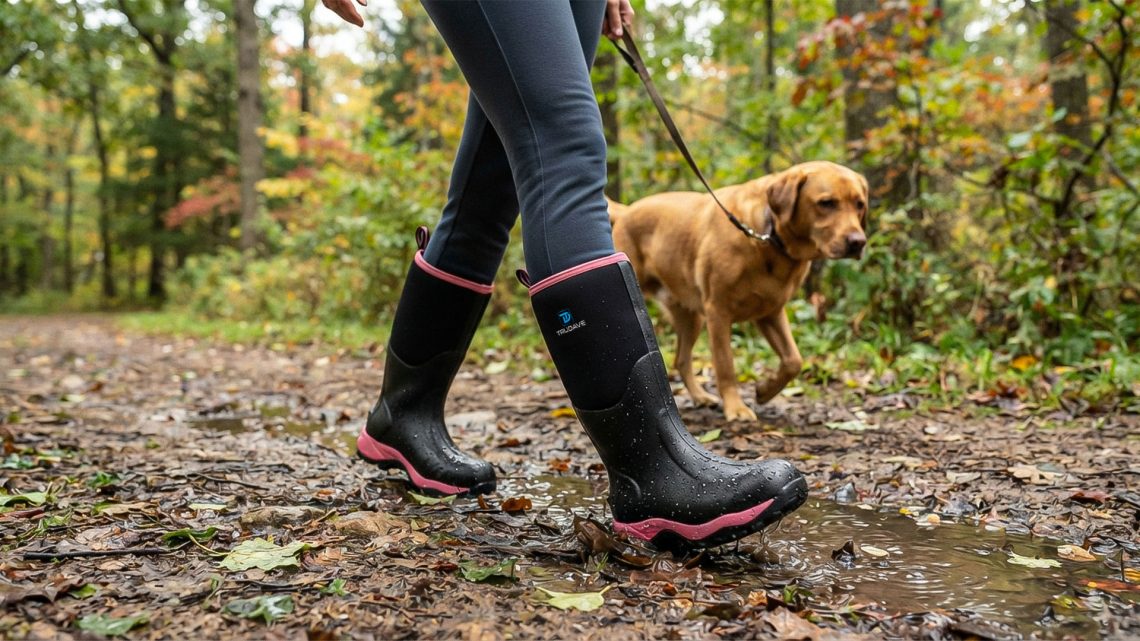
Best Boots for Dairy Processing and Cheese Factory Work
Dairy processing plants and cheese factories combine wet concrete, milk and whey residue, stainless-steel equipment, cold rooms, packaging lines, sanitation systems, floor drains, pallets, forklifts, and long shifts spent standing on hard surfaces.
A dairy worker may begin the day checking processing equipment, move through a wet production room, monitor milk-transfer systems, work around cheese vats, handle hoses, clean floors, enter refrigerated storage, and finish the shift near packaging or loading areas.
Footwear may encounter:
- Wet concrete.
- Milk spills.
- Whey.
- Wash water.
- Foam cleaning residue.
- Stainless-steel platforms.
- Floor drains.
- Cold-room floors.
- Pallets.
- Packaging debris.
- Loading docks.
- Sanitation chemicals.
That makes footwear an important part of everyday dairy production.
The best boots for dairy-processing workers should keep feet dry, provide stable traction on wet hard surfaces, remain comfortable through long concrete shifts, clean easily, and offer the task-specific protection required around tanks, pumps, machinery, pallets, cold rooms, and sanitation systems.
Dairy Plants Are Constantly Wet
Water is used throughout milk and cheese processing.
Workers may encounter moisture from:
- Equipment rinsing.
- Floor washdown.
- Tank cleaning.
- Hose connections.
- Product spills.
- Drainage.
- Condensation.
Even well-managed facilities may have wet production areas for significant portions of the day.
Fully waterproof footwear is often more practical than ordinary work shoes.
Milk and Whey Can Change Floor Conditions Quickly
Dairy products may reach the floor during:
- Transfers.
- Filling.
- Processing.
- Cleaning.
Milk, whey, and water can create slick conditions.
Footwear helps, but no outsole replaces proper housekeeping.
Spills should be cleaned promptly.
Dairy Workers Spend Most of the Day on Hard Floors
Typical surfaces include:
- Concrete.
- Epoxy-coated floors.
- Tile.
- Stainless-steel platforms.
That means cushioning matters almost as much as waterproofing.
Workers should look for:
- Supportive midsoles.
- Stable heel support.
- Removable footbeds.
- Moderate flexible tread.
Deep Farm Lugs Are Usually Unnecessary
Dairy processing is different from dairy farming.
Inside a production plant, extremely deep outdoor tread may:
- Trap milk residue.
- Hold cheese particles.
- Collect cleaning foam.
- Feel awkward on stairs.
Moderate, easy-clean grooves are usually more practical.
Boots for Milk Receiving Areas
Raw milk may arrive by tanker truck.
Receiving workers may handle:
- Hoses.
- Valves.
- Connections.
- Sampling equipment.
These areas may become wet during unloading and cleaning.
Useful footwear should provide:
- Full waterproofing.
- Secure heel fit.
- Good concrete cushioning.
- Easy-clean construction.
Boots for Tanker Unloading
Workers may move between:
- Outdoor pavement.
- Loading platforms.
- Wet processing areas.
Mixed-surface waterproof boots are useful.
Boots for Milk Hose Handling
Large transfer hoses can be:
- Heavy.
- Wet.
- Awkward.
Workers need secure footing while moving or connecting them.
Hose Work Requires Precise Foot Placement
Workers should be able to step safely around:
- Hose loops.
- Couplings.
- Drains.
Very bulky outsoles can make movement less precise.
Boots for Raw Milk Tank Areas
Storage areas may contain:
- Tanks.
- Pumps.
- Wet concrete.
- Piping.
A waterproof safety boot works well.
Boots for Milk Processing Rooms
Processing may involve:
- Pasteurization.
- Separation.
- Standardization.
- Homogenization.
Workers frequently move around stainless-steel equipment.
Moderate outsole thickness improves controlled movement.
Boots for Pasteurization Areas
Workers may encounter:
- Hot equipment.
- Water.
- Steam systems.
Waterproof boots are useful for wet floors, but waterproofing does not automatically provide heat resistance.
Waterproof Does Not Mean Heat Resistant
Footwear appropriate for ordinary wash water may not be suitable for:
- Hot liquids.
- Steam.
- Heated surfaces.
Task-specific PPE should guide selection.
Boots for Cheese Production Rooms
Cheese factories may contain:
- Vats.
- Draining tables.
- Pumps.
- Cutting equipment.
- Wet concrete.
Workers need waterproof footwear that performs well on hard floors.
Boots for Cheese Vat Workers
Employees may stand for long periods beside large vats.
Cushioning becomes especially important.
Boots for Curd Handling
Cheese production may involve:
- Curd cutting.
- Draining.
- Transfer.
Small amounts of product residue may reach the floor.
Simple tread is easier to clean.
Boots for Whey Areas
Whey may be drained or transferred through:
- Hoses.
- Pumps.
- Tanks.
Workers may encounter frequent splash.
Mid-height waterproof boots are practical.
Boots for Cheese Draining Rooms
Floors may remain wet around draining operations.
Broad outsole contact provides better hard-floor stability than deep agricultural lugs.
Boots for Cheese Molding and Pressing Areas
Workers may handle:
- Molds.
- Presses.
- Forms.
Protective toes may be appropriate where heavier equipment or cheese blocks are handled.
Boots for Large Cheese Blocks
Some cheese products can be very heavy.
Workers handling large blocks or molds need stable footing.
Safety-Toe Boots for Cheese Factories
Protective toes may be useful or required around:
- Heavy cheese blocks.
- Pallets.
- Pressing equipment.
- Forklifts.
- Machinery.
Employer requirements should guide selection.
Boots for Cheese Brining Rooms
Some cheeses are placed in brine.
Workers may encounter:
- Saltwater.
- Wet concrete.
- Splash.
Fully waterproof boots are practical.
Saltwater Exposure Requires Regular Cleaning
Salt residue may accumulate on footwear.
Rinsing according to manufacturer guidance helps reduce buildup.
Boots for Brine Tank Maintenance
Workers may handle:
- Pumps.
- Lines.
- Tank fittings.
Structured waterproof safety footwear may be appropriate.
Boots for Butter Processing Plants
Butter production may involve:
- Cream.
- Water.
- Processing equipment.
- Packaging.
Floors may become slick if product residue is not cleaned promptly.
Boots for Cream Processing
Easy-clean moderate tread is practical.
Boots for Yogurt Production
Yogurt facilities may include:
- Tanks.
- Filling systems.
- Washdown.
- Cold storage.
Waterproof hard-floor work boots work well.
Boots for Cultured Dairy Production
Workers may move between:
- Processing.
- Fermentation.
- Packaging.
Long standing shifts make cushioning important.
Boots for Ice Cream Plants
Frozen dessert facilities may combine:
- Wet processing.
- Cold rooms.
- Freezers.
- Packaging.
Footwear may need more insulation than ordinary dairy-plant work.
Boots for Ice Cream Freezer Areas
Cold-floor protection becomes more important.
Workers may benefit from:
- Thicker midsoles.
- Appropriate insulation.
- Moisture-managing socks.
Boots for Dairy Cold Storage
Milk, cheese, and other dairy products often require refrigeration.
Workers may spend time in:
- Coolers.
- Cold warehouses.
- Chilled staging areas.
Cold concrete can become uncomfortable through thin footwear.
Boots for Walk-In Coolers
Workers repeatedly entering refrigerated rooms need footwear that handles temperature changes.
Boots for Freezer Areas
Lower-temperature environments may require specialized insulated footwear.
The correct protection depends on:
- Temperature.
- Exposure duration.
- Facility requirements.
Boots for Packaging Lines
Finished dairy products may be:
- Bottled.
- Cupped.
- Wrapped.
- Boxed.
Packaging employees may spend long periods on concrete.
Boots for Bottling Lines
Workers may operate around:
- Conveyors.
- Fillers.
- Wash systems.
Moderate tread and strong cushioning are practical.
Boots for Yogurt Cup Lines
Packaging areas may be relatively dry, but occasional product spills still occur.
Waterproof or highly water-resistant footwear can be useful.
Boots for Cheese Wrapping Lines
Workers may spend many hours standing.
Lower boot weight helps reduce fatigue.
Boots for Carton Packaging
Employees may handle:
- Boxes.
- Trays.
- Cases.
Protective toes may be useful in some roles.
Boots for Palletizing
Finished dairy products are often stacked onto pallets.
Workers may operate around:
- Pallet jacks.
- Forklifts.
- Wrapping machines.
Structured safety footwear is practical.
Boots for Forklift Operators
Forklift drivers need:
- Good pedal control.
- Secure heel positioning.
- Moderate outsole thickness.
Tall loose rubber boots may reduce driving comfort.
Boots for Dairy Warehouses
Warehouse employees may spend most of their shift on:
- Concrete.
- Smooth industrial floors.
Their priorities may shift toward:
- Cushioning.
- Protective toes.
- Lower boot weight.
- Moderate tread.
Boots for Refrigerated Warehouses
Cold-floor support matters more in dairy distribution.
Thicker midsoles and appropriate socks improve comfort.
Boots for Order Pickers
Workers may walk thousands of steps.
Heavy footwear increases fatigue.
Boots for Loading Docks
Dairy products are commonly shipped in refrigerated trucks.
Dock workers may encounter:
- Wet concrete.
- Metal dock plates.
- Rain.
- Cold trailers.
Mixed-surface waterproof safety boots work well.
Boots for Refrigerated Truck Loading
Workers move between cold and warmer areas repeatedly.
Footwear should balance:
- Insulation.
- Flexibility.
- Cushioning.
Boots for Dairy Delivery Drivers
Drivers may move between:
- Truck cabs.
- Docks.
- Stores.
- Restaurants.
A lower-profile waterproof work boot offers good versatility.
Driving Comfort Matters
Very tall or heavy rubber boots may reduce pedal comfort during long routes.
Boots for Dairy Sanitation Crews
Sanitation is one of the wettest roles in a dairy plant.
Workers may clean:
- Tanks.
- Floors.
- Conveyors.
- Filling equipment.
- Pipes.
Fully waterproof boots are practical.
Boots for CIP Cleaning Areas
Clean-in-place systems may use:
- Water.
- Detergents.
- Sanitizers.
- Other cleaning solutions.
Workers should understand the difference between waterproofing and chemical resistance.
Waterproof Does Not Mean Chemical Resistant
General waterproof boots should not automatically be considered suitable for concentrated sanitation chemicals.
Workers should follow:
- Product labels.
- SDS guidance.
- Employer PPE requirements.
Boots for Caustic Cleaning Areas
Some cleaning processes may use alkaline products.
Specialized chemical-resistant footwear may be required.
Boots for Acid Cleaning Areas
Material compatibility must be checked separately.
Boots for Chemical Mixing Rooms
Workers handling concentrated cleaning products may require dedicated PPE.
General rain boots are not automatically sufficient.
Boots for Foam Cleaning
Sanitation crews may apply foam across:
- Floors.
- Equipment.
Foam can temporarily change floor traction.
Controlled movement matters.
Boots for Pressure Washing
Some equipment or areas may be pressure washed.
Waterproof boots protect against ordinary splash.
They do not protect against direct high-pressure water.
Boots for Squeegee Work
Workers pushing water toward drains need stable hard-floor contact.
Broad outsole coverage helps.
Boots for Drain Cleaning
Dairy plants rely on extensive floor drainage.
Drains may collect:
- Milk solids.
- Cheese particles.
- Packaging debris.
Easy-Clean Tread Matters
Deep complicated grooves can trap organic material.
Simple outsole channels are easier to clean and inspect.
Boots for Wastewater Areas
Dairy plants may generate wastewater from:
- Production.
- Cleaning.
Workers may inspect:
- Drains.
- Pumps.
- Treatment equipment.
More waterproof coverage may be useful.
Boots for Wastewater Pump Maintenance
Technicians may require:
- Safety toes.
- Hard-floor support.
- Chemical-compatible materials where necessary.
Boots for Dairy Byproduct Handling
Dairy production may generate:
- Whey.
- Organic residue.
- Product waste.
Workers may handle tanks or containers.
Easy-clean waterproof footwear is practical.
Boots for Whey Tank Areas
Floors may be wet and slippery if leaks occur.
Prompt cleanup is important.
Boots for Dairy Waste Containers
Workers moving large bins may need protective toes.
Boots for Outdoor Dairy Plant Yards
Processing facilities may include:
- Tanker lanes.
- Loading areas.
- Utility yards.
Workers moving outside may encounter:
- Rain.
- Gravel.
- Mud.
Mixed-surface waterproof footwear provides versatility.
Boots for Rainy Tanker Yards
Waterproof construction keeps socks dry during repeated outdoor trips.
Boots for Gravel Service Areas
Strong midsoles reduce pressure from coarse stone.
Boots for Muddy Utility Yards
More open tread may be useful after heavy rain.
Boots for Snowy Dairy Plants
Cold-region facilities may add:
- Snow.
- Slush.
- Ice.
Loading and receiving workers may need insulated waterproof boots.
Boots for Slush
Mid-height or mid-calf waterproof boots help prevent meltwater from entering.
Ice Requires Separate Traction Measures
No ordinary boot eliminates ice hazards.
Approved traction measures may be necessary.
Boots for Road Salt Exposure
Outdoor workers may track deicing residue into the facility.
Regular cleaning helps remove buildup.
Boots for Dairy Plant Mechanics
Processing facilities contain complex:
- Pumps.
- Motors.
- Conveyors.
- Refrigeration systems.
- Valves.
Maintenance technicians may need industrial footwear.
Boots for Mechanical Rooms
Workers may encounter:
- Water.
- Oil.
- Grease.
A structured waterproof safety boot works well.
Waterproof Does Not Mean Oil Resistant
Outsole material compatibility with petroleum products should be checked separately.
Boots for Pump Maintenance
Heavy pumps and motors create impact hazards.
Protective-toe footwear may be appropriate.
Boots for Conveyor Maintenance
Technicians may climb:
- Platforms.
- Stairs.
- Ladders.
Moderate outsole thickness provides precise contact.
Boots for Refrigeration Technicians
Dairy plants rely heavily on refrigeration.
Workers may face:
- Cold environments.
- Mechanical equipment.
- Electrical systems.
Footwear is only one part of required PPE.
Boots for Electrical Maintenance
Waterproof footwear is not automatically electrically protective.
Electrical work requires properly rated equipment and safe procedures.
Boots for Welding and Fabrication
Some dairy plants repair stainless-steel equipment in-house.
General waterproof boots are not automatically suitable for:
- Sparks.
- Hot metal.
- Welding.
Task-specific footwear should be used.
Boots for Boiler Areas
Some facilities operate:
- Boilers.
- Steam systems.
Waterproof footwear does not automatically provide heat protection.
Boots for Steam-System Maintenance
Steam can cause severe burns.
Appropriate thermal PPE is required.
Boots for Dairy Laboratory Workers
Quality-control employees may move between:
- Laboratories.
- Production areas.
A lower-profile waterproof safety boot may be practical.
Boots for Milk Sampling
Receiving and laboratory workers may collect samples around wet tanker areas.
Waterproof construction is useful.
Boots for Quality-Control Technicians
Workers may walk throughout the facility checking:
- Processing.
- Packaging.
- Cold storage.
Comfort and cleanability matter.
Boots for Food Safety Inspectors
Inspectors may spend hours walking on production floors.
Lightweight waterproof footwear reduces fatigue.
Boots for Dairy Farm-to-Plant Receiving
Some dairy-processing employees may occasionally visit:
- Farm pickup areas.
- Rural tanker stops.
Mixed-surface waterproof footwear is practical.
Boots for Tanker Drivers
Milk haulers may transition between:
- Farmyards.
- Processing plants.
- Truck cabs.
Their boots need to work across:
- Mud.
- Concrete.
- Gravel.
Boots for Farm Milk Collection
Wet farm lanes and wash areas may require more outdoor tread than inside processing plants.
Boots for Long Dairy Plant Shifts
Processing operations may run around the clock.
Employees may spend long shifts:
- Standing.
- Walking.
- Lifting.
- Handling hoses.
Comfort becomes increasingly important.
Boot Weight Matters
Heavy boots add fatigue over thousands of steps.
Workers should select only as much protection as their job requires.
Cushioning Is Critical on Concrete
Many dairy workers spend almost the entire shift on hard floors.
Supportive midsoles can make a major difference.
Heel Retention Matters on Wet Floors
Secure fit improves control during:
- Turns.
- Hose handling.
- Cart movement.
Forefoot Flexibility Helps Production Workers
Workers may frequently:
- Bend.
- Kneel.
- Step over hoses.
- Climb stairs.
The boot should flex naturally.
Toe Room Matters During Long Shifts
Feet may swell.
Enough toe space improves comfort.
Best Socks for Dairy Processing Workers
Synthetic and wool-blend socks generally perform better than cotton.
Useful features include:
- Moisture wicking.
- Quick drying.
- Heel cushioning.
- Temperature regulation.
Spare Socks Can Be Useful
Heavy washdown may occasionally allow water over the boot collar.
A dry replacement pair improves comfort.
Removable Insoles Improve Daily Drying
Replaceable footbeds allow workers to:
- Dry boots.
- Restore cushioning.
- Improve hygiene.
- Adjust support.
Easy-Clean Construction Is Essential
Dairy-plant boots may collect:
- Milk residue.
- Whey.
- Cheese particles.
- Cleaning foam.
- Packaging debris.
Smooth waterproof uppers simplify sanitation.
How to Clean Dairy Plant Work Boots
A practical routine may include:
- Remove product residue.
- Clean outsole grooves.
- Rinse ordinary milk or whey residue according to facility procedures.
- Follow sanitation requirements.
- Follow PPE guidance after concentrated chemical exposure.
- Remove damp insoles.
- Allow footwear to dry completely.
Milk Solids Should Be Removed Promptly
Dried dairy residue becomes harder to remove and may complicate sanitation.
Cheese and Curd Should Not Remain in Tread
Organic material can become trapped in deep grooves.
How to Dry Dairy Processing Boots
After appropriate cleaning:
- Remove insoles.
- Open boots fully.
- Allow airflow.
- Use low-temperature drying if approved.
Avoid excessive direct heat.
Rotating Two Pairs Can Help Full-Time Workers
Daily washdown may prevent one pair from drying completely.
Alternating footwear provides additional drying time.
When Dairy Plant Boots Should Be Replaced
Replace footwear when:
- Waterproofing fails.
- Tread becomes smooth.
- Rubber cracks.
- Outsole separation develops.
- Chemical damage appears.
- Heel support collapses.
- Puncture damage occurs.
- Safety components are compromised.
Do Dairy Processing Workers Need Safety-Toe Boots?
Some receiving, cheese-handling, pallet, forklift, warehouse, loading, and maintenance jobs may require protective-toe footwear.
Do Dairy Workers Need Puncture-Resistant Boots?
Most routine processing roles may not require puncture-resistant footwear.
However, maintenance, warehouse, construction, or debris-heavy tasks may create additional hazards.
Are Rubber Boots Good for Dairy Processing?
Yes.
Rubber boots are especially practical for:
- Washdown.
- Cheese production.
- Milk receiving.
- Filter cleaning.
- Sanitation.
Workers should also consider concrete cushioning and chemical compatibility.
How Tall Should Dairy Plant Boots Be?
Mid-height boots work well for many processing and packaging roles.
Mid-calf boots may be more useful for:
- Heavy washdown.
- Tank cleaning.
- High-splash sanitation.
Are Waterproof Boots Safe Around Dairy Cleaning Chemicals?
Not automatically.
Waterproofing refers to water protection.
Chemical resistance must be evaluated separately.
Common Mistakes When Buying Dairy Plant Boots
Buying Cheap Rain Boots for Full-Day Production Work
They may lack enough cushioning for concrete.
Choosing Deep Farm Tread for Processing Floors
Aggressive tread can trap dairy residue and make sanitation harder.
Wearing Boots Too Loose Around Hoses and Drains
Secure heel fit improves controlled movement.
Ignoring Cold-Floor Comfort
Refrigerated areas can become uncomfortable through thin soles.
Choosing Very Tall Boots for Forklift Drivers
Pedal control may suffer.
Assuming Waterproof Means Chemical Resistant
Sanitation products may require specialized PPE.
Ignoring Milk and Cheese Buildup in Tread
Organic residue should be removed regularly.
Wearing Heavy Insulated Boots in Warm Production Rooms
Heat and perspiration can become uncomfortable.
How to Choose the Best Boots for Dairy Processing Work
Start with the worker’s primary responsibilities.
For milk-processing workers, prioritize:
- Full waterproofing.
- Hard-floor cushioning.
- Moderate easy-clean tread.
- Secure heel fit.
For cheese-production crews, prioritize:
- Waterproof construction.
- Strong concrete support.
- Easy-clean materials.
- Safety toes where required.
For sanitation employees, prioritize:
- More shaft coverage.
- Fully waterproof uppers.
- Appropriate chemical compatibility.
For cold-storage workers, prioritize:
- Temperature-appropriate insulation.
- Strong midsoles.
- Secure fit.
For packaging and warehouse workers, prioritize:
- Lower boot weight.
- Hard-floor cushioning.
- Safety protection where required.
For tanker and receiving workers, prioritize:
- Mixed-surface traction.
- Waterproof construction.
- Driving comfort.
For maintenance technicians, prioritize:
- Safety ratings.
- Oil, electrical, thermal, chemical, or puncture protection appropriate to the actual task.
Workers comparing waterproof footwear from brands such as Trudave Gear should choose boots according to the actual combination of wet processing floors, washdown, milk handling, cold storage, packaging, loading, and long industrial food-production shifts involved in their job.
Frequently Asked Questions
What are the best boots for dairy processing work?
The best dairy-processing boots are waterproof, comfortable on concrete, securely fitted, easy to sanitize, and equipped with moderate tread suitable for wet food-production floors.
Are rubber boots good for dairy plant workers?
Yes. Rubber boots are especially practical for washdown, milk receiving, cheese production, sanitation, and other high-moisture jobs.
What boots are best for wet dairy floors?
Waterproof boots with broad outsole contact, flexible rubber, moderate grooves, good cushioning, and secure heel support are practical.
Are deep-lug boots good inside dairy plants?
Usually not. Deep outdoor tread can trap milk solids, curd, and cleaning residue and may feel less stable on concrete and metal platforms.
Do cheese factory workers need safety-toe boots?
Some cheese-block handling, pallet, forklift, warehouse, pressing, loading, and maintenance roles may require protective-toe footwear.
Are waterproof dairy boots chemical resistant?
Not automatically. Compatibility with detergents, sanitizers, acids, and caustic cleaners must be evaluated separately.
What boots are best for dairy sanitation crews?
Mid-height or mid-calf waterproof boots with strong concrete cushioning, easy-clean construction, and appropriate chemical compatibility are practical.
What boots are best for dairy cold-storage workers?
Waterproof boots with appropriate insulation, supportive midsoles, secure fit, and hard-floor traction work well.
What boots are best for milk tanker drivers?
Mid-height waterproof work boots with mixed-surface traction, moderate outsole thickness, secure heel fit, and good driving comfort are practical.
How should dairy processing boots be cleaned?
Remove milk, whey, curd, and other organic residue, clean outsole grooves, follow facility sanitation procedures, follow special guidance after chemical exposure, and allow footwear to dry completely.
Final Thoughts
Dairy processing and cheese production combine wet concrete, milk, whey, cheese residue, pumps, tanks, hoses, sanitation systems, cold rooms, packaging lines, forklifts, and long shifts on hard floors.
The best footwear depends on the worker’s actual role.
Milk-processing employees need waterproof boots with strong concrete cushioning.
Cheese-production crews benefit from easy-clean construction and stable hard-floor traction.
Sanitation workers may need additional shaft coverage and chemical compatibility.
Cold-storage employees need appropriate insulation.
Packaging and warehouse workers need lighter supportive footwear.
Receiving and tanker crews need mixed-surface versatility.
Maintenance technicians may require additional oil, electrical, thermal, chemical, or task-specific safety protection.
Trudave Gear offers waterproof outdoor and work footwear suited to wet floors, washdown, loading areas, rain, food-production support environments, and demanding daily work.
Choosing footwear according to the actual dairy-processing task can help workers stay drier, reduce fatigue, maintain better footing, simplify cleaning, and remain more comfortable from the first milk tanker unloading before sunrise to the final sanitation cycle after production ends.


You May Also Like
The Workhorse You Didn’t Know You Needed: Why Trudave Rain Boots Are the Multi-Season Essential for Life Beyond Pavement
How to Time Your First Grazing Pass for Maximum Regrowth
