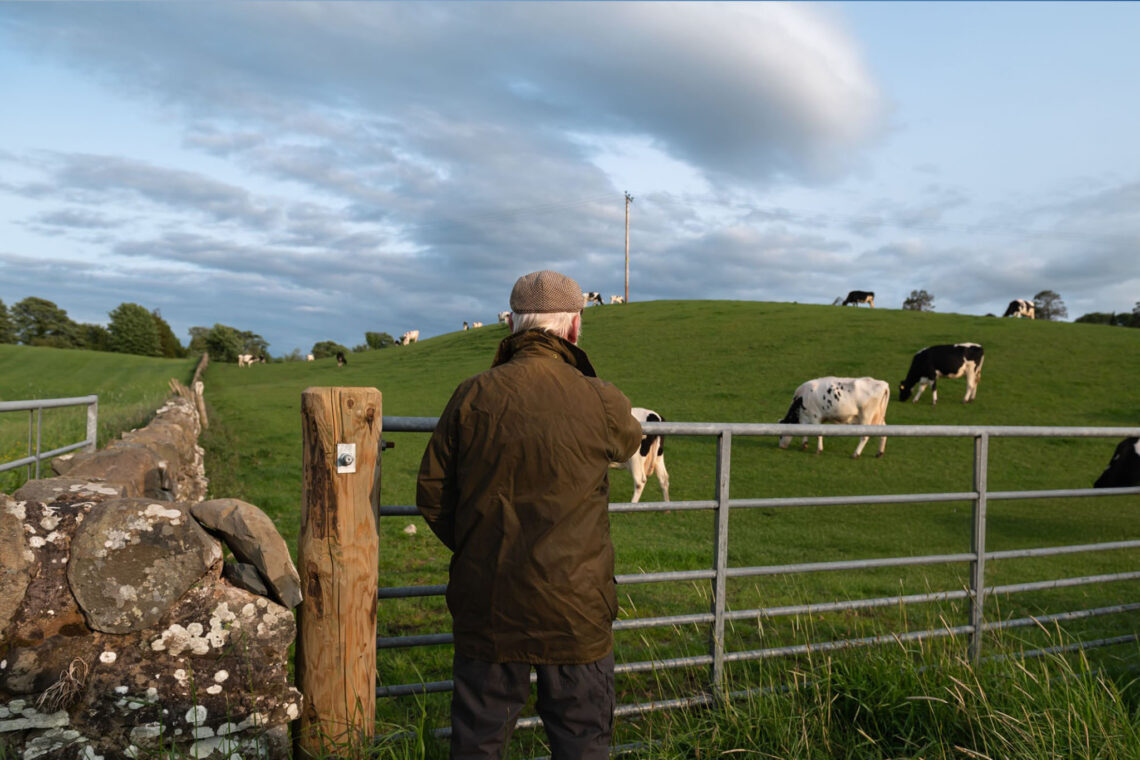
Late Summer Pasture Management: Maximizing Forage Quality Before Fall
Late summer can be a make-or-break time for pasture productivity. While spring and early summer often bring lush growth, August and September can challenge even the best-managed fields. High temperatures, dry spells, and overgrazing can quickly reduce forage quality—and once nutrient-rich grasses lose vigor, it’s tough to bring them back before frost.
For ranchers and livestock managers, a proactive late summer strategy can keep forage in peak condition, setting up both animals and land for a healthy transition into fall.
Why Late Summer Forage Quality Matters
The quality of forage in late summer impacts more than just current grazing—it influences winter feed needs, herd health, and pasture regrowth in the next season. Poor late-season management often means:
- Lower nutritional value in grasses and legumes
- Increased weed pressure from bare spots
- Reduced root reserves heading into dormancy
Healthy forage now means better-conditioned animals, less reliance on supplemental feed, and stronger stands come spring.
Step 1: Monitor Pasture Condition Closely
Late summer requires sharp observation. Watch for:
- Shorter grass height (indicating overgrazing)
- Seed head development (a sign plants are maturing and losing palatability)
- Weed or invasive plant spread
- Bare soil patches that could lead to erosion
Make weekly pasture walks part of your routine to catch issues before they become costly.
Step 2: Rotate Grazing to Prevent Overuse
Rotational grazing is critical in late summer. Leaving cattle in one pasture too long can strip plants of leaf area needed for photosynthesis. By moving herds more frequently:
- Plants recover faster
- Root systems stay stronger
- Nutritional value remains higher longer
As a general rule, avoid grazing forage below 3-4 inches for cool-season grasses and 5-6 inches for warm-season species.
Step 3: Clip and Control Weeds
If weeds are gaining ground, late summer clipping can stop seed spread and reduce competition for soil moisture and nutrients. Clipping also encourages uniform regrowth and improves palatability by removing mature stems.
Pro tip: Schedule clipping just after grazing to give desirable forage a head start over unwanted plants.
Step 4: Manage Water Access and Shade
Heat stress can limit grazing time and reduce animal intake, directly affecting weight gain or milk production. Make sure every paddock has:
- Reliable, clean water sources within easy reach
- Portable or natural shade to encourage midday grazing
This keeps livestock comfortable and grazing more hours of the day.
Step 5: Boost Soil Health for Forage Recovery
Late summer is a prime time to improve soil conditions before fall growth:
- Soil Testing – Identify nutrient deficiencies and apply targeted amendments.
- Overseeding – Add legumes or high-quality forage species into thin areas.
- Fertilization – Apply nitrogen to cool-season grasses for a late growth flush, if moisture is adequate.
Healthy soil equals higher forage quality and better drought resilience.
Step 6: Plan for Fall Stockpiling
In many regions, late summer is the start of stockpiling forage for fall and early winter grazing. This involves allowing certain paddocks to grow without grazing in August and September so they can be used later when fresh growth slows.
Tall fescue and orchardgrass respond especially well to this approach, maintaining quality into the colder months.
Step 7: Match Herd Needs to Pasture Quality
As forage matures, its protein and energy content decline. Late summer is the time to:
- Move high-producing animals (lactating cows, growing calves) to the best pastures
- Place dry cows or lower-need animals on less productive fields
- Supplement strategically if pasture nutrition dips below herd requirements
This ensures each animal gets the nutrition they need without overtaxing your best fields.
Final Thoughts
Late summer pasture management is about working with the season’s challenges instead of against them. By monitoring conditions closely, rotating grazing, controlling weeds, and improving soil health, you can keep forage quality high right up until frost.
Good management now doesn’t just help your animals today—it sets the stage for stronger pastures, lower feed costs, and healthier herds for months to come.

