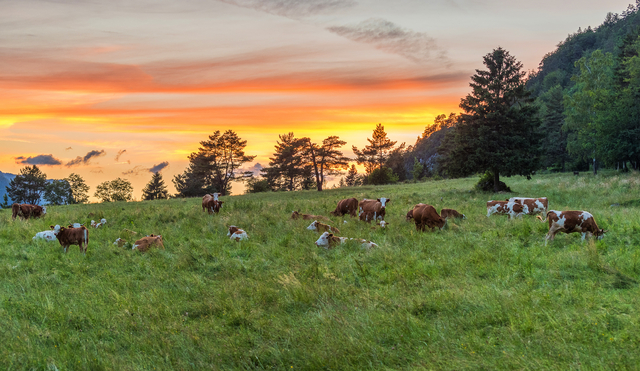
Controlling Weeds and Brush in Your Pastures Ahead of Cooler Months
As summer winds down and the first hints of fall creep into the mornings, many ranchers and pasture managers shift their focus from managing grazing pressure to preparing their fields for cooler months. One of the most important late-season tasks is controlling weeds and brush.
If left unchecked, unwanted plants not only compete with desirable forage for nutrients and moisture but also set seeds that can cause headaches for years to come. Late summer and early fall present a strategic window for control—when weed growth slows, but plants are still active enough to absorb treatments.
Why Timing Matters
The late summer-to-early fall period is ideal for weed and brush control for several reasons:
- Energy flow in plants is downward as they prepare for winter dormancy, so herbicides applied now move deeper into the roots.
- Weed seed production peaks in summer, so controlling plants now prevents next year’s crop.
- Reduced heat stress means you can use mechanical methods like mowing or cutting without risking excessive damage to forage.
The goal is to stop weeds from spreading while giving your pasture grasses a head start for the cooler, wetter months.
Step 1: Identify Your Targets
Not all weeds and brush require the same approach. Late summer is a good time to take a pasture inventory:
- Annual weeds (e.g., ragweed, pigweed) are easier to control now before seed drop.
- Perennial weeds (e.g., thistle, dock) may require a targeted herbicide for effective root kill.
- Woody brush species (e.g., blackberry, sumac, multiflora rose) often need a combination of cutting and chemical treatment to prevent regrowth.
Knowing what you’re dealing with saves time, money, and unnecessary damage to desirable plants.
Step 2: Choose the Right Control Method
1. Mowing/Clipping
Mowing is effective for many broadleaf weeds, especially before seed heads mature. For brush, mowing alone rarely kills the plant but can weaken it before chemical treatment.
2. Spot Spraying
Late summer spot spraying minimizes chemical use and protects beneficial forage. This is especially useful for scattered weed patches.
3. Cut-Stump Treatment
For thick brush, cutting stems close to the ground and immediately applying herbicide to the cut surface prevents resprouting.
4. Broadcast Spraying
Best reserved for heavy infestations, this method can cover large areas quickly but should be timed carefully to avoid harming non-target plants.
Step 3: Target the Root System
In late summer, perennial weeds and brush are sending carbohydrates from their leaves to their roots. Applying herbicides during this period allows the chemicals to travel with those nutrients, delivering a more effective and lasting kill.
Pro tip: Aim for a stretch of mild weather after application—avoid spraying right before a heavy rain that can wash chemicals off leaves.
Step 4: Address Soil and Grazing Practices
Weeds are often a symptom of deeper pasture problems. Thin forage stands, compacted soil, or poor grazing rotation create open space where invasive plants thrive. After controlling weeds:
- Reseed bare spots to reestablish competitive forage.
- Adjust grazing pressure to prevent overgrazing.
- Test soil and correct pH or nutrient deficiencies that favor weeds over grass.
Step 5: Prevent Next Year’s Problems
Weed and brush control isn’t a one-time event. By combining late summer efforts with good pasture management, you can reduce the need for large-scale interventions in the future:
- Maintain a dense forage stand.
- Rotate livestock to avoid grazing pressure on the same areas.
- Monitor pastures in early spring when weeds are most vulnerable.
Final Thoughts
Controlling weeds and brush ahead of cooler months is about more than just tidying up your pastures—it’s an investment in long-term forage productivity. By identifying your problem plants, timing your treatments strategically, and addressing underlying soil and grazing issues, you can head into fall with healthier, more resilient pastures.
Strong, clean pastures now mean less competition for your grasses in spring—and more nutrition for your herd year-round.

