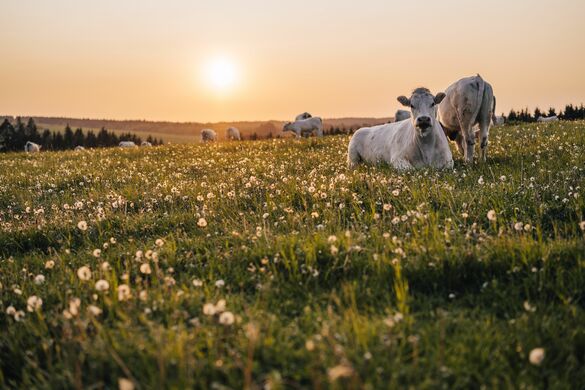
Late Summer Pasture Recovery: Tips to Rejuvenate Your Grazing Land
Late summer can be one of the toughest times for pastures across the U.S. Prolonged heat, drought, and heavy grazing pressure often leave your grazing land stressed, with diminished forage quality and density. But the good news? With thoughtful recovery practices now, you can restore pasture health and set the stage for a productive fall and next growing season.
Here’s how to rejuvenate your grazing land effectively this late summer.
1. Assess the Damage Early
Before jumping into recovery tactics, take a good walk-through of your pastures. Identify areas where forage is sparse or heavily grazed, soil compaction is evident, or invasive weeds have taken hold. Mark these zones to prioritize your efforts.
Look for:
- Bare or thinning spots
- Soil crusting or hardpan layers
- Signs of overgrazing such as short stubble heights
- Weed patches that might outcompete desirable forage
This assessment will guide targeted management instead of blanket treatments.
2. Implement Rest and Rotational Grazing
One of the most effective recovery tools is simply giving pastures time off. If possible, rest heavily grazed paddocks now. Use rotational grazing to allow other sections to recover while your livestock feeds on healthier ground.
Resting helps:
- Rebuild root reserves in forage plants
- Improve ground cover and reduce erosion
- Enhance soil moisture retention
Plan your grazing schedule so no single area is overused, especially during heat stress.
3. Soil Testing and Nutrient Management
Late summer is a smart time to test soil nutrient levels and pH, especially if you suspect poor plant growth is due to deficiencies. Many pastures need supplemental nitrogen, phosphorus, potassium, or lime adjustments to bounce back.
Applying the right fertilizer now can:
- Promote root growth and tillering
- Boost forage yield before the cooler months
- Improve soil biology and organic matter
Coordinate with a local extension service or agronomist for tailored soil amendments.
4. Control Weeds Early
Weeds often take advantage of weakened pastures, stealing valuable nutrients and space from desirable grasses and legumes. Late summer is a crucial window to control weeds before they set seed.
Mechanical options:
- Mowing can reduce seed production and weaken broadleaf weeds.
Chemical options:
- Selective herbicides, applied carefully, can target problem species without harming forage.
Be sure to read labels and follow best practices to protect soil health and beneficial plants.
5. Overseeding to Fill Bare Spots
If you have bare patches, consider overseeding with adapted forage species. Late summer’s warmer soil temperatures and remaining moisture can provide good conditions for seed germination—especially if followed by light irrigation.
Choose seed mixes suited to your region and grazing needs, including:
- Cool-season grasses like fescues and ryegrasses for fall growth
- Legumes such as clover or alfalfa to fix nitrogen and improve forage quality
Prepare the soil by lightly tilling or aerating to improve seed-to-soil contact.
6. Manage Soil Compaction
Compacted soil limits root growth, water infiltration, and nutrient uptake. Livestock traffic, especially around water sources and gates, often creates problem zones.
To alleviate compaction:
- Use aeration tools such as spike or plug aerators.
- Avoid grazing wet soils to prevent further compaction.
Improved soil structure helps your pasture plants recover faster and builds resilience against drought.
7. Water Management and Irrigation
If you have irrigation available, late summer is a critical time to keep pastures hydrated. Deep, infrequent watering encourages deeper root systems that help plants survive future dry spells.
Focus irrigation on:
- Bare or struggling areas
- Newly overseeded zones
- High-traffic sections with exposed soil
If irrigation isn’t an option, consider creating shade and windbreaks to reduce soil moisture loss.
8. Plan for Fall and Winter Preparations
Recovery doesn’t end in late summer. Start planning fall fertilization, weed control, and planting to maintain momentum. Many cool-season grasses establish best in early fall and provide high-quality forage into winter.
By preparing now, you’ll ensure your pasture not only recovers but thrives year-round.
Final Thoughts
Late summer pasture recovery is about balancing rest, nutrition, weed control, and soil health to restore vigor to your grazing land. Taking timely, informed steps today can mean better forage production, healthier livestock, and more resilient pastures through the fall and beyond.
Focus on careful monitoring, targeted interventions, and sustainable grazing management—and your pasture will thank you with years of productive grazing to come.

