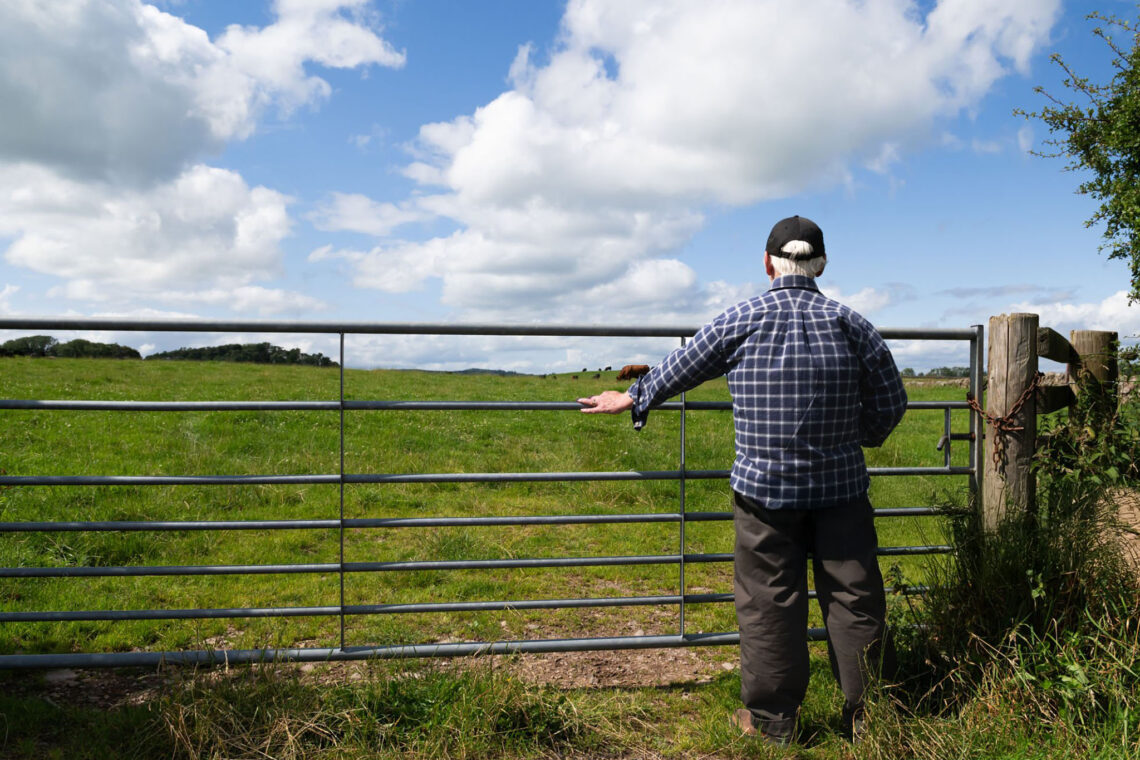
Pasture Planning for Fall: Rotation Strategies Before Winter Dormancy
As summer grazing winds down and cooler nights arrive, pasture managers face a critical window to prepare forage systems for the months ahead. Fall is not just the end of the grazing season—it’s the time when management decisions determine how healthy your pastures emerge in spring. By focusing on rotation strategies before winter dormancy, ranchers and livestock owners can protect forage stands, reduce overgrazing stress, and set up their animals and land for long-term success.
Why Fall Pasture Planning Matters
Grass growth slows significantly in September and October as shorter days and lower soil temperatures reduce photosynthesis. Overgrazing during this period can strip pastures of the leaf area needed to store carbohydrates in their roots—weakening the plants’ ability to survive winter and regrow in spring.
Good fall management accomplishes three goals:
- Protecting plant vigor so forage survives dormancy.
- Balancing livestock nutrition while forage quality changes.
- Maintaining soil health to prevent compaction and erosion before winter rains or snow.
Step 1: Assess Pasture Conditions
Before designing a rotation strategy, evaluate what you have on the ground.
- Forage height: Cool-season grasses should not be grazed below 3–4 inches; warm-season species need at least 4–6 inches left behind.
- Soil moisture: Wet fall soils are vulnerable to compaction. Plan to keep animals off saturated ground when possible.
- Forage quality: As grasses mature, protein and energy levels decline. Consider testing forage to balance livestock rations.
Step 2: Plan Rotations With Recovery in Mind
Fall grazing should be less about maximizing animal intake and more about ensuring plants recover before dormancy.
- Slow down rotations: Extend rest periods so grasses rebuild root reserves.
- Leave a residual: Aim to finish fall grazing with a healthy stubble height that insulates the crown and provides regrowth potential next spring.
- Prioritize strong stands: Graze fields with ample growth early in fall, then rest them as the season closes.
Step 3: Stockpile Forage for Winter
A smart fall strategy includes stockpiling forage—allowing selected pastures to rest in late summer so they accumulate growth for grazing after dormancy.
- Tall fescue and orchardgrass are excellent for stockpiling.
- Apply nitrogen fertilizer in late summer (if part of your system) to encourage growth.
- Rotate livestock through stockpiled pastures in late fall or even winter, reducing reliance on hay.
Step 4: Manage Animal Impact
Livestock behavior changes in cooler weather, and careful planning prevents long-term damage.
- Avoid overstocking: Concentrated grazing pressure on thin fall pastures weakens them for spring.
- Use temporary fencing: Strip-grazing stockpiled forage helps control intake and reduces trampling losses.
- Protect sensitive areas: Keep animals off creek banks and muddy gateways to reduce erosion and compaction.
Step 5: Transition Toward Winter Feeding
Even with excellent pasture planning, most operations shift toward hay, silage, or supplemental feed as winter sets in. Use fall as a transition period:
- Gradually introduce supplemental feed to avoid digestive stress.
- Balance rations with minerals that declining fall forage may lack, especially energy and protein.
- Use body condition scoring to ensure cattle, sheep, or goats enter winter with adequate reserves.
Step 6: Look Ahead to Spring
Fall pasture planning is about more than getting through the next few months. Every rotation decision impacts spring productivity. By ensuring plants go into dormancy with healthy root systems and enough residual leaf material, you’ll see stronger early growth, healthier livestock, and reduced dependence on purchased feed when the season turns.
Final Thoughts
Effective fall pasture planning is a balancing act between animal needs and plant health. By slowing down rotations, stockpiling forage, protecting soil structure, and planning for winter feeding, you create a system that sustains both your herd and your land. Remember: every bite taken in September and October affects the strength of your pastures in March and April. Treat fall as the foundation for next year’s success, and both your livestock and your soil will thank you.

