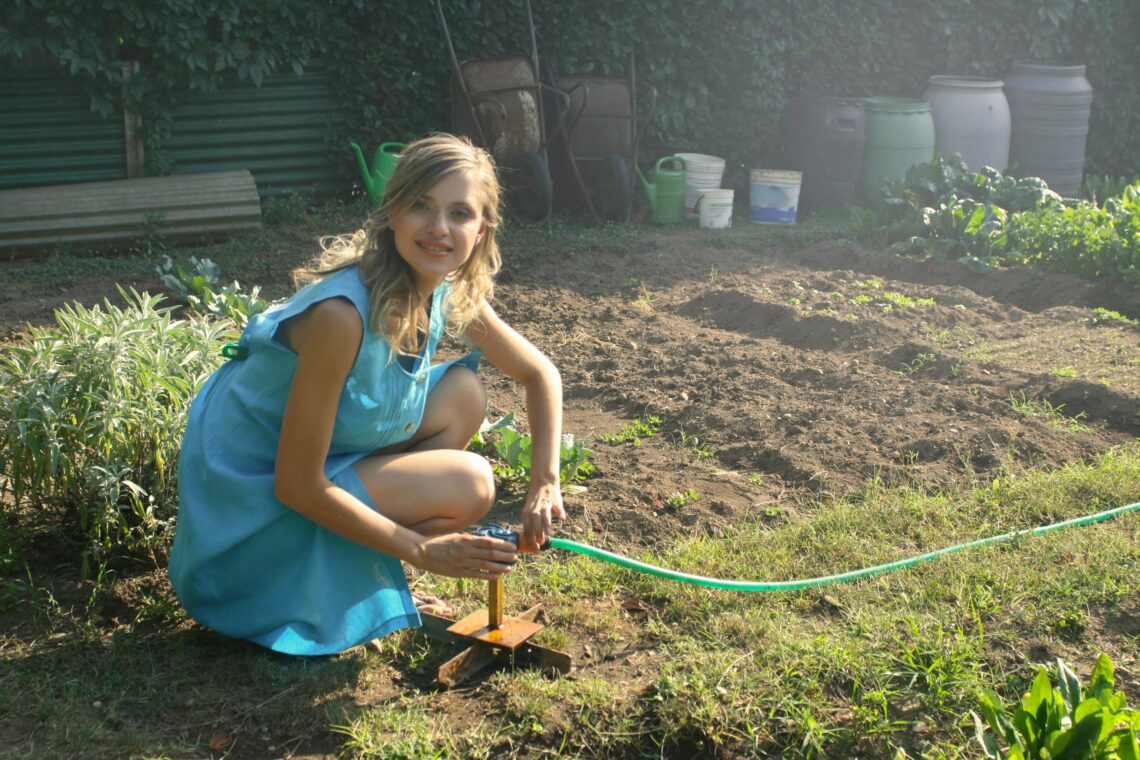
Late-Season Harvest: How to Extend Your Garden’s Productivity Into Fall
For many gardeners, September signals the winding down of the growing season. But with the right strategies, your garden can continue producing fresh vegetables and herbs well into the fall—sometimes even past the first frost. Extending your harvest isn’t just about squeezing in a few extra weeks of productivity; it’s about maximizing the potential of your soil, protecting your plants, and adapting your garden to cooler conditions.
Why Extend the Harvest?
Late-season gardening has multiple benefits:
- More food on the table: Fresh greens, root crops, and herbs when grocery store prices rise in fall.
- Better flavor: Cool-weather crops like carrots, kale, and spinach often taste sweeter after a frost.
- Soil use efficiency: Makes the most of your garden space instead of letting beds sit idle.
- Less pest pressure: Many warm-season pests taper off in fall, giving your plants a fighting chance.
Step 1: Know Your Frost Dates
The key to extending productivity is working around your local frost dates. Most regions in the U.S. experience their first frost between late September and early November. By knowing your average first frost date, you can plan backwards for late plantings and prepare protection methods for existing crops.
Step 2: Choose Crops That Thrive in Cool Weather
Not every vegetable can handle dropping temperatures, but plenty of crops actually perform better in fall than in summer. Top choices include:
- Greens: Spinach, arugula, kale, mustard, and Swiss chard.
- Root crops: Carrots, beets, radishes, and turnips.
- Brassicas: Broccoli, Brussels sprouts, cauliflower, and cabbage.
- Herbs: Parsley, cilantro, and dill flourish in cooler weather.
These crops not only tolerate cool temperatures but can continue growing slowly into late fall with the right protection.
Step 3: Succession Planting for a Continuous Harvest
One smart way to extend productivity is succession planting. For example:
- After pulling spent summer beans, reseed the bed with radishes or spinach.
- Replace harvested onions with kale or collards.
- Plant quick crops like lettuce every two weeks through September for a steady supply.
This rotation keeps your soil active and ensures you always have something ready to pick.
Step 4: Season Extension Tools
Even in colder regions, simple tools can buy you weeks—or even months—of extra growing time:
- Row covers (frost cloth): Lightweight fabric that shields plants from frost while allowing light and water through.
- Cold frames: Mini greenhouses made of wood and glass or clear plastic—perfect for leafy greens.
- Hoop houses: Larger structures using PVC or metal hoops with plastic sheeting to trap heat.
- Mulching: Straw or shredded leaves protect soil warmth and extend the viability of root crops like carrots.
These methods create microclimates, keeping soil warmer and reducing frost damage.
Step 5: Harvesting Smartly
Cool-season crops often grow slower, so harvesting with care ensures continued productivity.
- Cut-and-come-again method: With crops like spinach, lettuce, and kale, harvest outer leaves while leaving the central growth intact.
- Stagger harvests: Don’t pull entire plantings at once—harvest in sections to stretch your yield.
- Leave roots in the ground: Crops like beets and carrots can be mulched heavily and harvested as needed, even after the ground has cooled.
Step 6: Keep Soil Fertile
Late-season crops still need nutrients to perform. Add compost or aged manure in September, and top-dress beds with organic fertilizer to ensure strong growth. Cover cropping can also help replenish soil if you don’t plan to plant certain beds until spring.
Step 7: Monitor Moisture and Sunlight
While fall often brings more rain, don’t assume your crops are getting enough water. Check soil moisture regularly—dry roots will stall growth quickly. As days shorten, maximize sunlight by keeping beds weed-free and trimming back shade from nearby plants or structures.
Final Thoughts
Extending your garden’s productivity into fall is less about luck and more about strategy. By planting the right crops, using season-extension tools, and harvesting wisely, you can keep enjoying homegrown food long after summer’s heat fades. A late-season harvest is one of the most rewarding experiences for gardeners—it stretches your growing season, improves the flavor of your crops, and makes your garden truly work for you.

