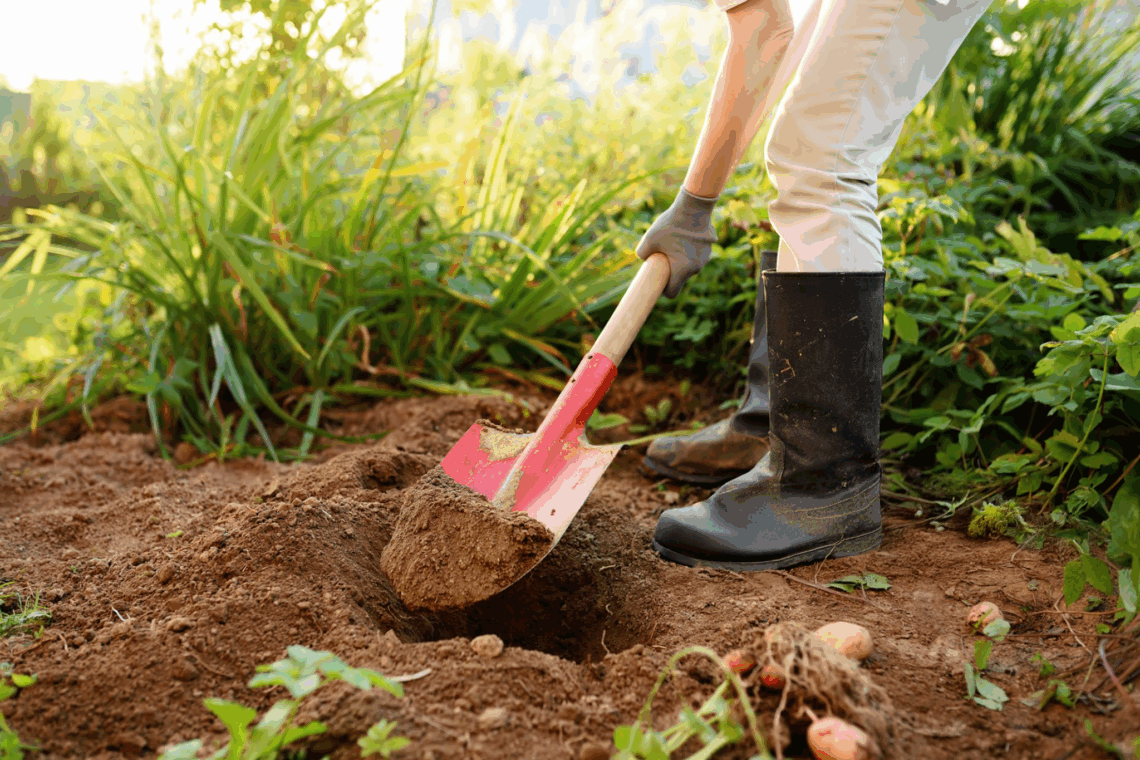
September Garden Prep: Soil Care That Pays Off Next Spring
As summer winds down and cooler evenings start to settle in, many gardeners pack away their tools and wait for next spring. But September is actually one of the most important months for long-term garden success. By focusing on soil care now, you’re not just tidying up your garden—you’re laying the foundation for healthier plants, bigger blooms, and stronger harvests next year.
Why Soil Care in September Matters
Soil isn’t just dirt. It’s a living ecosystem filled with microbes, fungi, minerals, and organic matter. By late summer, after heavy feeding from crops and flowers, your soil is often depleted. Without replenishment, spring planting may lead to weak seedlings and underwhelming yields. Working on soil health in September ensures that:
- Nutrients are replenished before the ground freezes.
- Organic matter has time to break down over winter.
- Soil structure improves, leading to better drainage and aeration.
- You get a jump-start on spring growth without scrambling to amend at planting time.
Step 1: Test and Amend Your Soil
A simple soil test is one of the smartest moves you can make in September. Local extension services or garden centers often provide affordable kits. Testing tells you the pH level and nutrient balance so you know exactly what’s missing.
- Low nitrogen? Add composted manure, blood meal, or alfalfa meal.
- Low phosphorus? Bone meal or rock phosphate are slow-release options.
- Acidic soil? Lime applications in fall have months to adjust pH before spring planting.
Step 2: Add Organic Matter
Organic matter is the life force of soil. By incorporating it in September, you give microorganisms time to process it over the winter months. Some effective options include:
- Compost: Homemade or store-bought, compost adds nutrients and improves structure.
- Leaf mold: Collect fallen leaves, shred them, and work them into your beds.
- Aged manure: Provides slow-release nutrients without burning roots.
Spread a 2–3 inch layer over your beds and gently work it into the top few inches of soil.
Step 3: Plant Cover Crops
Cover crops, or “green manures,” are a fantastic way to protect and improve soil over the winter. In September, sowing crops like clover, rye, or winter peas will:
- Prevent erosion from fall rains and winter snowmelt.
- Suppress weeds that would otherwise overwinter.
- Fix nitrogen and add biomass when turned under in spring.
Come April, simply cut and till them into the soil for a natural nutrient boost.
Step 4: Mulch for Protection
Bare soil is vulnerable. Mulching in September helps conserve moisture, regulate soil temperatures, and prevent compaction from heavy fall rains or snow. Use straw, shredded leaves, or wood chips for a protective blanket. In spring, you can rake back or lightly incorporate this mulch as it decomposes.
Step 5: Improve Drainage and Structure
If your garden struggles with heavy clay or poor drainage, September is the time to address it. Work in coarse sand, compost, or gypsum to break up compacted soils. For raised beds, top off with a fresh mix of compost and garden soil to rebuild fertility.
Step 6: Don’t Forget Perennials and Beds at Rest
Even if you’re not actively planting, your perennial beds benefit from September soil prep too. Around established plants, add compost and mulch to feed roots and insulate them from temperature swings. Empty garden beds should never be left bare—cover crops or mulch keep soil alive and healthy through the dormant season.
Final Thoughts
September soil care is the hidden secret to next year’s thriving garden. Instead of rushing in spring to fix problems, take the time now to feed your soil, protect it, and set it up for success. Healthy soil equals healthy plants, and the work you put in today will pay off with stronger seedlings, fewer pests, and bigger harvests next year.

