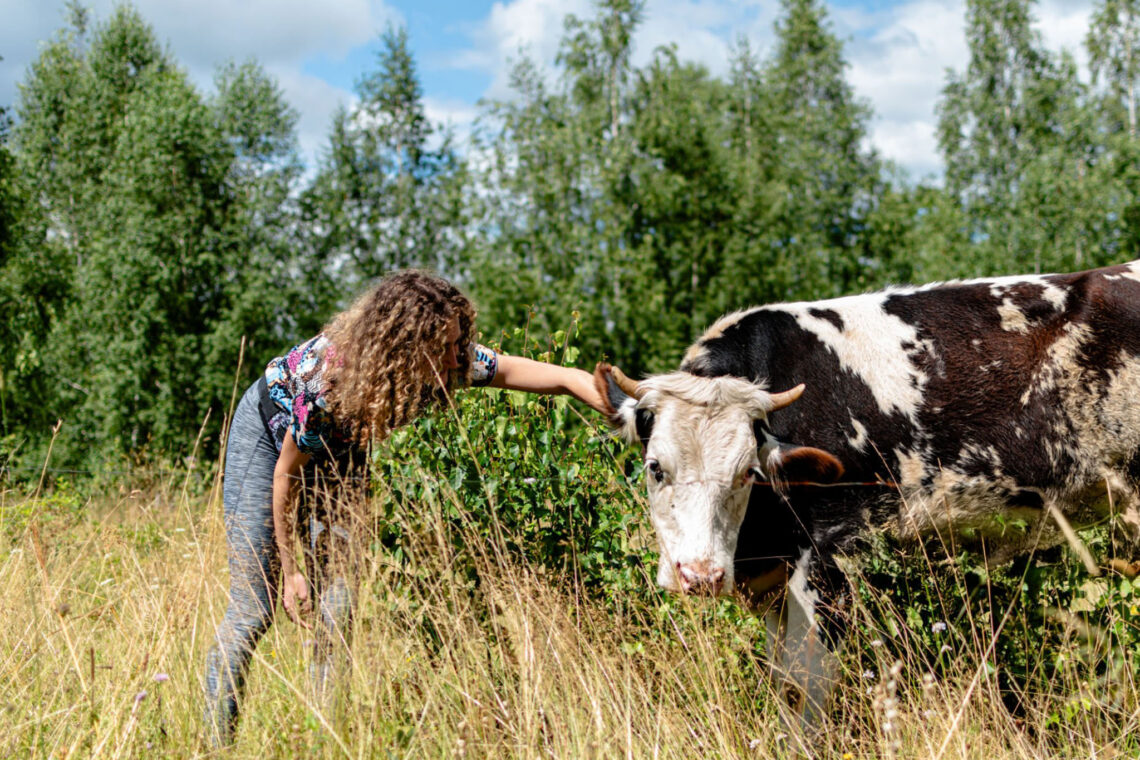
Body Condition Scoring in Fall: Ensuring Livestock Are Winter-Ready
As the days shorten and the first frosts loom, ranchers know that winter preparation begins long before snow hits the ground. One of the most effective—and often overlooked—tools for fall herd management is Body Condition Scoring (BCS). By assessing your livestock’s condition in September and October, you can make targeted management decisions that save money on feed, improve herd health, and set animals up for winter success.
What Is Body Condition Scoring?
Body Condition Scoring is a hands-on evaluation system that estimates the amount of fat and muscle an animal carries. It provides a simple, standardized way to gauge whether an animal is underweight, overweight, or in optimal condition before entering the stressful winter months.
- Cattle are typically scored on a 1–9 scale (1 = emaciated, 9 = obese).
- Sheep and goats use a 1–5 scale (1 = very thin, 5 = obese).
- Horses are commonly evaluated on a 1–9 scale similar to cattle.
By relying on visual cues and palpation, BCS offers a more reliable measure of animal readiness than just looking at weight alone.
Why Fall Body Condition Matters
Livestock face increased nutritional demands in cold weather. Animals burn more energy to stay warm, forage quality declines, and in many regions, hay becomes the primary feed source. Assessing BCS in fall provides several benefits:
- Early intervention: Thin animals can be supplemented before winter stress takes a toll.
- Efficient feeding: Ensures feed resources are targeted where they’re needed most.
- Improved reproductive performance: Cows and ewes entering winter in good condition cycle more consistently and breed back faster in spring.
- Health insurance: Proper body reserves reduce vulnerability to illness, parasites, and weather extremes.
How to Score Livestock in Fall
1. Cattle (1–9 Scale)
- BCS 4 or below – Thin: Prominent ribs and hips; requires immediate supplementation.
- BCS 5–6 – Ideal: Ribs are not visible, but hip bones are still palpable.
- BCS 7 or above – Over-conditioned: Fat deposits noticeable at tailhead and brisket; risk of calving issues.
Fall target: Aim for BCS 5–6 before winter, especially for bred cows.
2. Sheep and Goats (1–5 Scale)
- Score 2 or below – Underweight: Spine and ribs sharp to the touch.
- Score 3 – Moderate: Smooth spine with light fat cover; ideal for winter.
- Score 4–5 – Heavy: Thick fat over spine and ribs; potential lambing and kidding problems.
Fall target: Maintain Score 3–3.5 to balance condition without overfeeding.
3. Horses (1–9 Scale)
- BCS 4 or below – Ribs and withers prominent, no fat cover.
- BCS 5–6 – Ideal: Ribs easily felt but not seen; shoulders and withers rounded.
- BCS 7+ – Overweight: Thick fat pads on crest, back, and tailhead.
Fall target: BCS 5–6, depending on workload and breed.
Management Strategies After Scoring
Once you’ve assessed BCS, tailor your management to bring the herd into optimal range before harsh weather arrives.
- For thin animals (low BCS):
- Provide higher-quality forage or grain supplementation.
- Separate them from the main herd to reduce competition.
- Deworm if parasites may be limiting weight gain.
- For animals in ideal condition (moderate BCS):
- Maintain pasture rotation as long as forage lasts.
- Transition slowly to hay to reduce digestive stress.
- Avoid over-supplementing, which wastes feed resources.
- For over-conditioned animals (high BCS):
- Place them on lower-energy forage.
- Monitor for mobility and metabolic issues.
- Keep them from monopolizing supplemental feed intended for thinner animals.
The Role of Forage Quality and Nutrition in Fall
Body condition doesn’t improve overnight. Fall is the last window to maximize forage-based nutrition:
- Stockpile cool-season grasses like fescue to extend grazing.
- Test hay quality to know if protein or energy supplementation is necessary.
- Provide mineral supplements tailored to regional deficiencies.
- Adjust rations by class of livestock—bred cows, young heifers, and lactating ewes all have different needs.
Timing Is Everything
Fall assessments should begin in early September and continue through late October. By the time cold weather fully sets in, feed efficiency declines, and it becomes much harder—and more expensive—to add condition.
Think of BCS as your early warning system: the sooner you identify problems, the more affordable and effective your solutions will be.
Final Thoughts
Body Condition Scoring in fall is one of the smartest investments ranchers can make in herd health and winter preparedness. It’s quick, inexpensive, and provides actionable insights that directly affect feed efficiency, animal performance, and long-term profitability.
By taking time now to assess and adjust, you can ensure your livestock are not just surviving the winter—but thriving through it.

