Fall Pruning Guide: What to Trim Now and What to Leave Until Spring
As the leaves start to drop and gardens settle into dormancy, many homeowners grab their shears and begin snipping away at trees and shrubs. While fall may seem like the perfect time to tidy up, not every plant benefits from pruning this season. In fact, cutting back the wrong species too early can cause stress, reduce blooms, or even invite winter damage.
This fall pruning guide will help you decide what to trim now and what to save for spring, ensuring your garden stays healthy and productive year after year.
Why Timing Matters in Pruning
Pruning is more than cosmetic—it directly impacts a plant’s growth, health, and ability to flower or fruit. In fall, plants are preparing for dormancy, storing energy in roots and stems. Cutting them back too hard at this stage may disrupt that process.
- Fall pruning benefits: Clears out dead or diseased material, prevents pests, and reduces storm damage.
- Fall pruning risks: Stimulates new growth that won’t harden before frost, leaving plants vulnerable.
The key is knowing which plants can handle fall cuts and which ones should be left alone until spring.
What to Prune in Fall
1. Dead, Diseased, or Damaged Wood
This is always safe. Removing dead branches reduces the chance of disease spreading and prevents broken limbs from causing damage in winter storms.
2. Perennials That Die Back Naturally
Plants like hostas, peonies, and daylilies can be cut to the ground once foliage yellows. This prevents overwintering pests and keeps beds neat.
3. Overgrown or Invasive Shrubs
Shrubs like butterfly bush or spirea can be lightly trimmed to maintain shape, though avoid heavy pruning.
4. Vegetable Garden Clean-Up
Pull and compost old tomato, bean, and squash vines to prevent diseases from carrying over into next year.
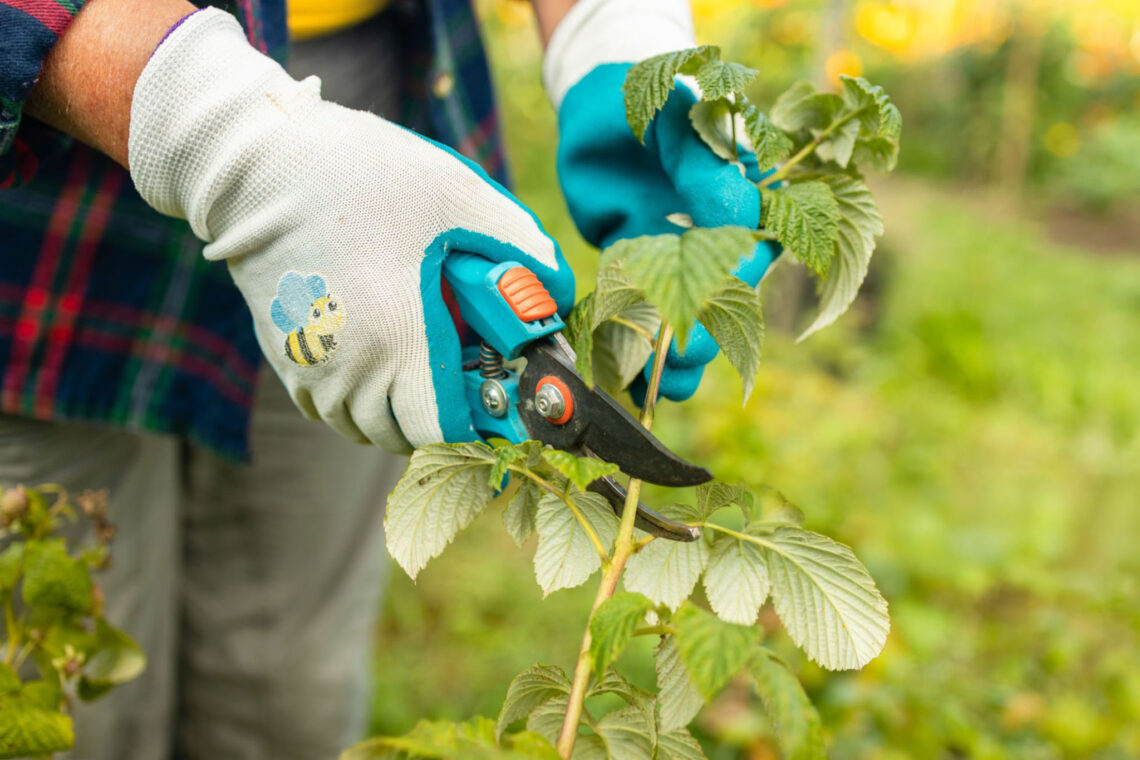
5. Bramble Fruits (Raspberries & Blackberries)
Prune out the canes that bore fruit this season. This encourages stronger growth next year and reduces disease pressure.
What NOT to Prune Until Spring
1. Spring-Flowering Shrubs
Lilacs, forsythia, azaleas, and rhododendrons form buds the previous summer. Cutting them now removes next year’s blooms. Wait until after flowering in spring.
2. Roses (Most Varieties)
Fall pruning encourages tender new shoots that winter will kill back. Instead, wait until spring when you can see winter damage clearly.
3. Fruit Trees
Pruning apple, pear, or peach trees in fall makes them more susceptible to cold injury and disease. Save major cuts for late winter or early spring.
4. Hydrangeas (Certain Types)
Bigleaf hydrangeas form buds on old wood. Pruning in fall can eliminate the next season’s flowers. Only remove spent blooms or dead wood now.
5. Evergreens
Pines, spruce, and cedar should not be pruned in fall. New cuts don’t heal well before winter, and cold damage can set in.
Best Practices for Fall Pruning
- Use clean, sharp tools to avoid spreading disease.
- Make angled cuts just above a bud or branching point.
- Don’t overdo it—stick to light trimming rather than major shaping.
- Mulch after pruning to protect roots and regulate soil temperature.
Final Thoughts: Balance Now and Later
Fall pruning is all about balance—tidying up your garden while protecting next year’s growth. Focus on removing dead, diseased, or unsightly material now, but hold off on heavy pruning until spring. By respecting each plant’s natural growth cycle, you’ll enjoy healthier gardens and more abundant blooms in the seasons ahead.


You May Also Like
Cooler Nights, Healthier Herds: Livestock Care Tips for Early Fall
The Hidden Signs Your Pasture Isn’t Ready for Grazing Yet