Frost on the Fence Line: Protecting Livestock When Temperatures Drop
As autumn shifts into winter, ranchers face a new challenge: safeguarding livestock against falling temperatures and frost. Cold weather brings more than discomfort for animals — it can affect health, productivity, and pasture quality. With proper preparation, you can help your herd endure frost-laden mornings and harsh winter nights while protecting your fencing and infrastructure.
This guide covers key strategies ranchers need to keep livestock safe and thriving when frost begins to settle.
1. Understand the Risks Frost Brings to Livestock
Frost is more than a chilly inconvenience — it can signal changes that affect livestock survival:
- Cold stress: Drops in temperature increase the energy livestock need to maintain body heat.
- Frozen water: Access to clean drinking water becomes difficult without proper planning.
- Slippery surfaces: Frost increases the risk of slips, falls, and injuries near fences and feeding areas.
Recognizing these risks early helps ranchers implement solutions before the cold takes a toll.
2. Shelter and Windbreaks: Shielding Livestock From the Elements
Protecting livestock starts with proper shelter:
- Natural windbreaks: Trees, shrubs, or hillsides can shield animals from prevailing cold winds.
- Man-made structures: Barns, sheds, and portable windbreak panels provide refuge during frost-heavy mornings.
- Strategic pasture design: Arrange grazing rotation so animals can access sheltered areas at night.
A well-planned shelter system improves livestock comfort, reduces stress, and conserves energy.
3. Water Management: Preventing Frozen Troughs
Access to fresh water is critical year-round, and frost can make it difficult:
- Heated waterers: Invest in frost-proof water systems or heated troughs to keep water flowing.
- Insulated tanks: Cover or insulate water tanks to slow freezing.
- Daily checks: Inspect water sources regularly during cold snaps to ensure availability.
Hydration is critical in cold weather — animals need water to digest feed and maintain body temperature.
4. Feeding Adjustments: Boosting Winter Resilience
Cold weather increases energy demands for livestock. Adjust feeding strategies:
- Increase forage availability: Graze pastures before frost sets in to make use of standing feed.
- Supplement with high-energy feed: Hay, silage, or grain can help livestock maintain body heat.
- Feed timing: Offer feed during warmer parts of the day to encourage consumption.
Proper feeding helps livestock withstand frost stress and maintain healthy weight through winter.
5. Fence Line Care in Frosty Conditions
Frost changes more than the air temperature — it impacts fence integrity and livestock movement:
- Inspect fences regularly: Frost and freezing can damage wire tension and fence posts.
- Clear ice buildup: Ice on electric fences reduces conductivity, limiting effectiveness.
- Mark boundaries: Frost and snow can obscure fence lines — visible markers help prevent accidental escapes.
Fence maintenance during frost conditions prevents costly repairs and livestock losses.
6. Health Monitoring During Cold Spells
Cold stress can lead to health challenges:
- Watch for frostbite: Ears, tails, and teats are vulnerable in extreme cold.
- Monitor body condition: Frost can quickly deplete fat reserves, so watch for weight loss.
- Disease prevention: Cold weather stress can weaken immunity — ensure vaccinations are current.
Early detection and care keep your herd healthy through the frost season.
Final Thoughts
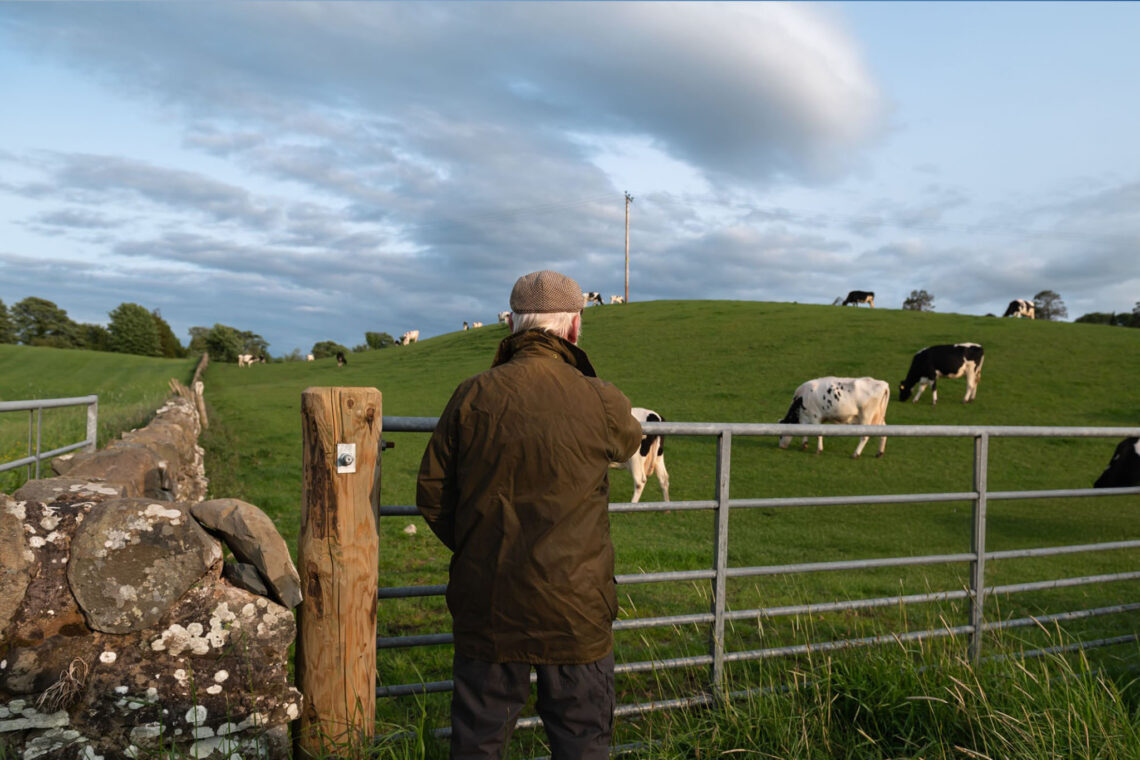
Frost on the fence line is more than a picturesque scene — it’s a sign for ranchers to prepare for the challenges of winter. By implementing proper shelter, water, feeding, and fence management strategies, ranchers can ensure livestock safety and productivity despite dropping temperatures.
Proactive preparation this fall protects both animals and infrastructure, setting the stage for a healthier, more resilient herd come spring.


You May Also Like
Late-Season Grazing: Making the Most of Dormant Pastures
Why Fall Is the Best Time to Plant Trees and Perennials