Mulching Mastery: How to Lock in Warmth and Moisture Before Winter
As the days grow shorter and frost begins to settle in, fall becomes the most crucial season for protecting your soil before winter arrives. Mulching — often overlooked or rushed — can make the difference between a thriving spring garden and one struggling to recover from the cold. When done right, fall mulching locks in soil warmth, retains valuable moisture, and shields your plants from the stress of freezing temperatures. Whether you’re managing a home garden, pasture edges, or a ranch property, mastering the art of mulching now will pay off in healthier soil and stronger growth come spring.
Why Fall Mulching Matters More Than You Think
Many gardeners think of mulch as a summer-only practice for weed control, but in truth, fall mulching is about protection and preservation. As soil temperatures drop, bare ground loses heat rapidly and becomes vulnerable to erosion, compaction, and nutrient leaching.
By applying mulch in the fall, you create a natural insulation layer that helps your soil retain warmth and moisture. This buffer zone also protects plant roots from freeze-thaw cycles that can heave and damage perennials, bulbs, and young trees.
In short: fall mulch is your soil’s blanket for the long winter ahead.
Choosing the Right Mulch for Fall
Not all mulches are created equal. For cold-weather protection, you need materials that insulate well, break down slowly, and add nutrients as they decompose. Here are some of the most effective options:
- Straw or hay: Lightweight, breathable, and excellent for garden beds and around shrubs. Just make sure it’s weed-free.
- Wood chips or bark mulch: Great for trees, perennials, and pathways; resists compaction and holds warmth.
- Composted leaves (leaf mold): Rich in nutrients and fantastic for vegetable beds. Shredded leaves work best since they won’t mat down.
- Grass clippings: High in nitrogen, but use them sparingly — too thick a layer can trap moisture and lead to mold.
- Pine needles: Ideal for acid-loving plants like blueberries or azaleas, and they don’t blow away easily.
For ranch or pasture edges, coarse wood chips or straw bales are practical options that provide long-term coverage and prevent muddy conditions.
When and How to Apply Fall Mulch
Timing is everything. Wait until after the first light frost but before the ground freezes solid — this allows the soil to cool naturally without trapping in pests or disease.
Follow these key steps for best results:
- Clean up first. Remove weeds, fallen fruit, or diseased leaves to prevent overwintering pests.
- Water deeply. Moist soil retains heat better, and the mulch will help lock it in.
- Apply evenly. Spread mulch in a layer 2–4 inches thick for most areas, thicker (up to 6 inches) around perennials or trees.
- Keep stems clear. Leave a few inches of space around plant crowns and tree trunks to avoid rot and rodent damage.
- Secure it. In windy regions, anchor mulch with netting, twigs, or heavier material like bark chunks.
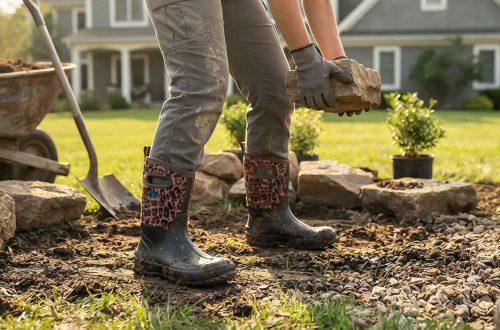
For gardeners working in cold, wet conditions, waterproof work boots such as Trudave insulated rain boots can keep you steady and dry while hauling mulch, protecting your footing from slick soil and soggy pastures.
Mulching for Soil Health and Microbial Activity
Mulching isn’t just about surface protection — it transforms the ecosystem beneath. Beneath that layer of organic matter, microorganisms stay active longer into the season, breaking down nutrients and improving soil texture. Earthworms remain closer to the surface, enhancing aeration and drainage.
When spring returns, that same mulch — partially decomposed — will become a nutrient-rich amendment you can mix into your soil for renewed fertility.
Special Mulching Techniques for Different Areas
- Vegetable Gardens: Use a mix of shredded leaves and straw to insulate soil and prevent erosion. In early spring, pull back the mulch to allow sunlight to warm the soil faster.
- Flower Beds: A layer of composted mulch around perennials helps prevent frost heaving and protects dormant roots.
- Trees and Shrubs: Extend mulch out to the drip line but avoid piling it against trunks. This “mulch volcano” traps moisture and invites rot.
- Pasture and Corrals: Apply mulch or wood chips along high-traffic muddy areas to reduce compaction and keep footing safe for both livestock and people.
Common Mistakes to Avoid
Even seasoned gardeners can go wrong with mulch. Watch out for these pitfalls:
- Overmulching: Too thick a layer (over 6 inches) can suffocate roots and trap excess moisture.
- Using fresh manure or unaged wood chips: These can tie up nitrogen in the soil, starving plants of nutrients.
- Ignoring pest risks: Rodents love cozy mulch layers near plant bases — leave space and check occasionally for tunnels.
Sustainable Mulching: Recycling What You Have
You don’t always need to buy mulch. Fall clean-up provides plenty of free resources:
- Shred fallen leaves for instant mulch.
- Reuse straw from animal bedding (if clean).
- Use chipped branches from pruning or storm cleanup.
This not only saves money but also completes a closed-loop system where waste materials return to enrich your soil — a principle central to sustainable land management.
Final Thoughts
Mastering mulching is more than a seasonal chore — it’s a smart land stewardship practice that pays off year after year. By locking in warmth, retaining precious moisture, and nurturing the soil ecosystem, your fall mulch sets the foundation for vigorous spring growth and healthier land overall.
Whether you’re tending a backyard garden or managing acres of ranch terrain, take time this fall to mulch like a pro — your soil (and your future harvest) will thank you when spring returns.


You May Also Like

Best Boots for Corn Farm Work: Waterproof Footwear for Mud, Wet Rows, Sharp Stalks, and Harvest

Winter Lot Management Tactics That Pay Off in March