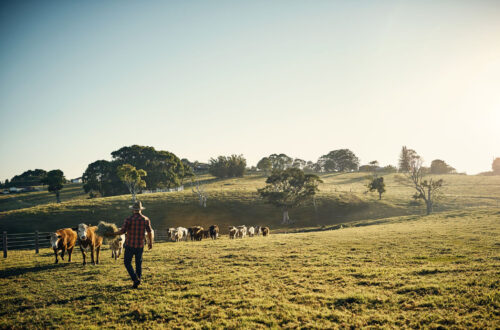
Smart Feeding Systems: Reducing Waste and Boosting Efficiency in Winter
When winter rolls across the plains, feeding livestock becomes more than just a chore — it’s a balancing act between maintaining body condition, minimizing waste, and keeping operations efficient. With hay prices high and weather unpredictable, every flake, bale, and bucket matters. That’s where smart feeding systems come in — blending practical ranch experience with modern technology and smarter setups to make winter feeding both economical and sustainable.
Understanding the Winter Feeding Challenge
Cold weather puts serious demands on livestock. Cattle, sheep, and goats all burn more calories simply to stay warm, meaning feed intake naturally increases. At the same time, hay waste skyrockets — often 25–40% of feed can be lost to trampling, spoilage, or overfeeding.
In harsh conditions, traditional feeding setups — like open hay rings or ground feeding — can quickly turn costly. Wet feed, muddy conditions, and frozen troughs lead to unnecessary losses. Implementing smarter systems doesn’t just reduce waste; it saves time, labor, and money through the coldest months of the year.
1. Hay Management: Controlling the Flow, Not the Cow
One of the biggest improvements ranchers can make is controlling hay access. When cattle have unlimited hay available, they waste it — pulling it out, trampling it, and using it as bedding.
Solutions that work:
- Cone-style feeders: These reduce contact between hay and ground, cutting waste by up to 30%.
- Covered hay feeders: Keep bales dry and edible longer, especially in regions prone to snow or sleet.
- Slow-feed nets: Ideal for smaller operations, they mimic grazing behavior and slow down consumption.
Pro tip: Always place feeders on gravel pads or high ground to prevent mud buildup — one of the biggest contributors to wasted feed.
2. Automated Feeding Systems: Consistency Is Key
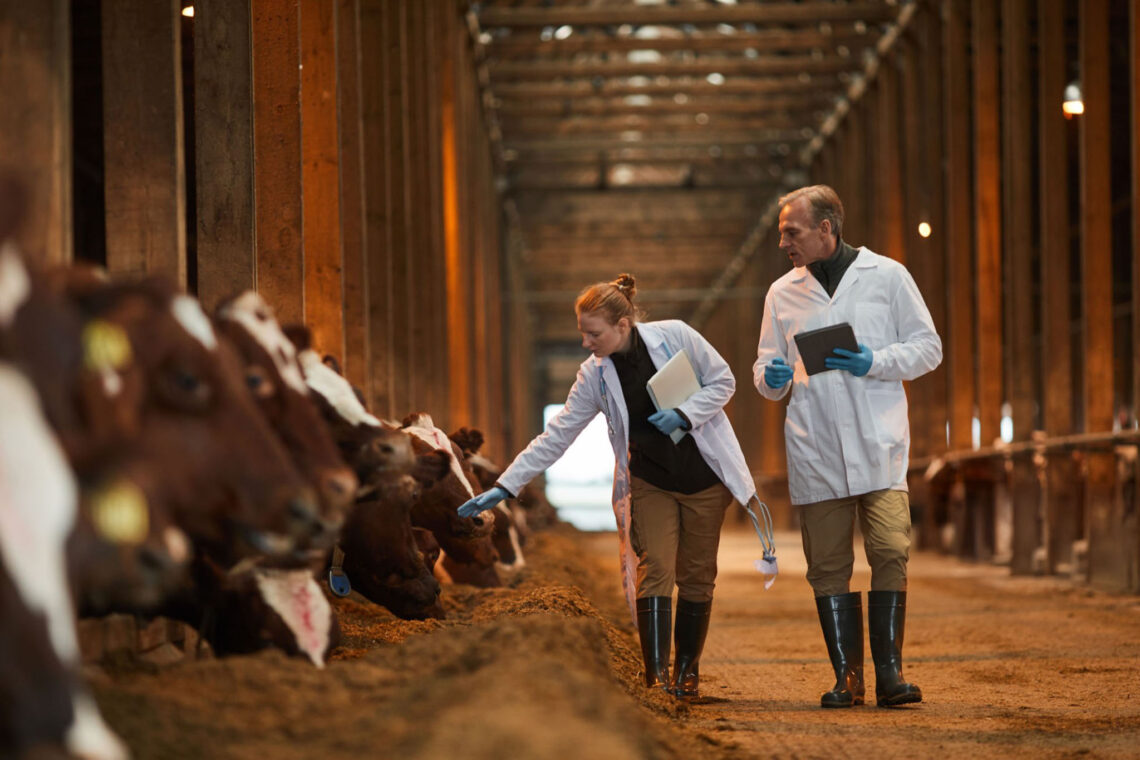
For larger ranches or confined operations, automated feeding systems can revolutionize winter routines. Systems like programmable feed dispensers, TMR (Total Mixed Ration) wagons, and smart bunk feeders deliver feed in consistent portions, reducing both waste and animal stress.
Benefits include:
- Precise portion control — ensures each animal gets its share without overeating.
- Time efficiency — reduces daily labor needs.
- Improved herd health — regular feeding schedules stabilize rumen function and reduce aggression.
Smart systems can also track feed use and consumption data, helping ranchers fine-tune rations and spot potential health issues early.
3. Location Strategy: Feed Where It Works Best
Even the smartest system won’t help if feed placement is wrong. Feed location influences everything from animal behavior to ground conditions and herd safety.
- Rotate feeding areas to prevent mud holes and soil compaction.
- Use portable bunks or wagons for flexible movement.
- Place feeders near windbreaks or natural shelter to reduce wind chill stress.
- Keep feed zones away from water sources to prevent contamination and ice hazards.
This simple management step extends the lifespan of pastures and keeps livestock calmer and cleaner through winter.
4. Ration Balancing: Feeding Smart, Not Just More
Efficiency isn’t just about equipment — it’s about nutrition. When the temperature drops below an animal’s “lower critical temperature,” energy requirements rise by 1% for every degree below that threshold.
That means feed quality matters more than feed quantity.
Smart strategies include:
- Testing hay quality — knowing protein and fiber levels allows you to balance with supplements efficiently.
- Using high-energy feeds like corn or distillers’ grains to meet calorie needs without overfeeding.
- Adding mineral tubs or lick blocks to ensure micronutrient balance.
Overfeeding low-quality hay leads to both waste and poor performance. Smart feeding matches nutritional value to weather demand — saving money and keeping animals healthy.
5. Waste Reduction Through Design and Routine
Even small adjustments can create major improvements in feed efficiency.
- Clean feeding areas regularly to remove spoiled or trampled hay.
- Feed smaller amounts more often, especially in extreme cold.
- Use windbreaks near feeding zones — wind speeds above 15 mph can increase feed energy requirements by 10–15%.
- For poultry or smaller livestock, gravity-fed or timer-based feeders reduce spillage and keep feed fresher.
By focusing on controlled delivery, smart scheduling, and protection from the elements, ranchers can easily stretch hay supplies weeks longer.
6. Integrating Technology: The Future of Feeding
Modern smart ranching tools are now within reach for family-scale operations:
- RFID ear tags and smart scales monitor animal weight gain and feeding habits.
- Mobile feed apps track daily consumption and alert ranchers to deviations.
- Solar-powered automatic feeders can be programmed for multiple feed cycles.
- Remote cameras let ranchers monitor bunk levels or feed stations without long winter trips across the property.
These technologies not only streamline operations but also build long-term data — allowing for smarter decisions season after season.
7. Sustainability: Feeding Smarter, Wasting Less
Efficient feeding is as much about sustainability as it is about savings. Reducing waste means fewer resources consumed for the same productivity. It also minimizes manure buildup, lowers methane emissions from rotting feed, and keeps winter paddocks cleaner.
For ranchers who market grass-fed or eco-friendly beef, showcasing sustainable winter feeding systems can also boost brand credibility and consumer trust.
Final Thoughts: Smarter Feeding for a Stronger Season
Winter feeding doesn’t have to drain your budget or test your patience. By combining smart systems, thoughtful placement, and efficient rations, you can cut waste, save labor, and keep your herd thriving until spring.
The smartest ranchers aren’t the ones who work harder — they’re the ones who feed smarter. When the snow flies and the wind howls, a well-planned feeding system is your best defense against waste, stress, and inefficiency.


You May Also Like
The 20-Minute Creek Test That Made Me a Believer
Shelter Smarts: Affordable Barn Upgrades for Cold Months