Feeding Through Frost: How to Keep Energy Levels Up When Grass Is Gone
When the first hard frost hits and the pastures turn from green to gray, every rancher and livestock owner faces the same challenge: how to keep animals healthy, full, and energized when the grass is gone. It’s the turning point in the ranch year—the end of grazing and the beginning of feeding season. What you do now determines not just how your animals survive winter, but how they perform next spring.
Feeding through frost is both an art and a science. It’s about understanding animal metabolism, balancing nutrition under cold stress, and managing feed efficiently when natural forage can no longer do the job.
Understanding the Winter Energy Equation
When temperatures drop, animals burn more calories just to stay warm.
A cow that maintained her weight easily in October suddenly needs 15–25% more energy in December. Horses, goats, and sheep follow similar patterns. The colder it gets, the more energy they burn maintaining body heat—and if that energy isn’t replaced, they lose condition fast.
What drives energy demand?
- Cold stress: Wind chill and wet coats can double maintenance needs.
- Metabolic rate: Young or lactating animals burn more.
- Feed type: Roughage vs. concentrate affects digestion speed and heat generation.
The goal isn’t just to keep animals full—it’s to keep them fueled. That means choosing the right feed sources and feeding schedules for maximum energy efficiency.
Hay: The Winter Workhorse
When the grass is gone, hay becomes the foundation of every feeding program.
But not all hay is created equal. Its quality—measured by protein, fiber, and digestible energy—varies widely depending on the type of forage and when it was cut.
Here’s how to make hay work harder through winter:
- Test your hay. A basic forage test reveals protein and energy values, letting you match hay to animal needs. Poor-quality hay might look fine but offer half the nutrition.
- Mix and match. Blend grass hay for bulk with legume hay (like alfalfa) for protein to create balance and save costs.
- Feed smart. Use hay rings, feeders, or slow-feed nets to reduce waste—especially in muddy or snowy conditions.
- Time your feedings. Feeding in the late afternoon helps animals generate heat overnight when temperatures dip lowest.
Good hay provides both nutrition and warmth. The digestion of long-stem roughage creates internal heat—a natural furnace for livestock through the frost.
When Hay Alone Isn’t Enough: Supplementing for Energy
As winter deepens, hay sometimes can’t meet every energy need—especially for lactating cows, growing calves, or thin animals. That’s when supplements come in.
Energy Supplements:
- Corn, oats, or barley: Grain provides quick energy, but too much can disrupt rumen health.
- Molasses-based tubs or liquid feed: Offer consistent, self-regulated intake and palatability.
- High-fiber byproducts: Beet pulp, soy hulls, or cottonseed hulls add digestible energy without excess starch.
Protein Supplements:
- Alfalfa pellets or cubes: Great for bumping protein without overfeeding grain.
- Protein blocks or tubs: Ideal for extensive pastures or self-fed systems.
Minerals & Vitamins:
Winter forage lacks essential trace minerals and vitamins A and E. A balanced mineral supplement ensures strong immunity and reproduction come spring.
The trick is to balance cost with condition. Overfeeding is wasteful; underfeeding can lead to long-term losses in herd health and productivity.
Managing Feed Efficiency in the Cold
Cold weather doesn’t just increase energy needs—it affects how animals eat, drink, and digest feed.
When temperatures dip below freezing:
- Feed intake increases, but digestive efficiency drops.
- Water consumption decreases, raising the risk of impaction or dehydration.
- Frozen ground and snow cover reduce movement, which can slow metabolism.
Smart feed management can offset these effects:
- Keep water open and unfrozen. Livestock need 1–2 gallons per 100 pounds of body weight daily. Use tank heaters or ground-level insulation.
- Feed in sheltered areas. Windbreaks reduce heat loss during feeding, conserving energy.
- Space out feedings. Multiple small meals help maintain body temperature and steady rumen function.
- Monitor body condition scores weekly. Adjust feed before animals visibly lose weight—it’s easier to maintain than recover.
The Role of Body Fat and Fiber
Winter feeding isn’t about bulking up—it’s about maintaining the right kind of weight.
Animals rely on body fat as insulation and stored energy, but they also need fiber for heat generation. The fermentation of fibrous material in the rumen produces warmth that grain can’t match.
That’s why feeding long-stem hay is crucial even when supplementing with grain. A balanced diet of fiber and concentrated energy supports both metabolism and thermal regulation.
Environmental and Behavioral Clues
Animals communicate their nutritional needs long before a condition score changes.
Watch for these signs that energy intake may be too low:
- Animals huddle tightly or shiver during mild cold.
- Hair coats dull and roughen.
- Feed disappearance increases without visible condition gain.
- Manure consistency changes—too loose or too dry can signal imbalance.
In group settings, dominant animals may overconsume while weaker ones get pushed out. Ensuring adequate feed space—at least 24 inches per head for cattle—helps prevent competition and uneven intake.
The Rancher’s Role: Timing and Observation
Feeding through frost is not a “set it and forget it” job.
It requires observation, adaptation, and patience. Weather patterns change quickly, and feed that was sufficient last week might not be enough after a cold front.
Ranchers who stay ahead of the curve:
- Keep accurate feed records.
- Adjust rations with temperature shifts.
- Watch for early signs of stress or condition loss.
- Rotate feeding areas to minimize mud and manure buildup.
The best winter feeders don’t just manage—they anticipate.
Tools of the Trade: Gear That Keeps You Going
While livestock need the right feed, ranchers need the right gear.
Feeding in the frost means early mornings, slick footing, and biting wind. Quality cold-weather gear isn’t luxury—it’s survival equipment.
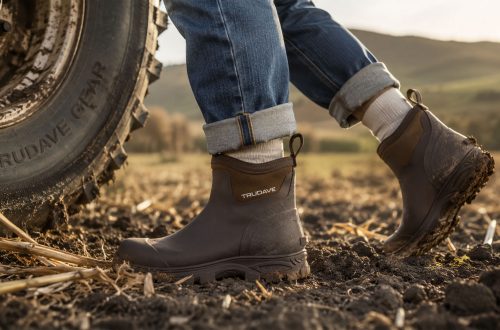
- Insulated waterproof boots: Keep traction in ice and protect from slush.
- Thermal gloves and outerwear: Essential for grip and durability.
- Layered clothing systems: Breathable warmth that adjusts to labor intensity.
Feeding chores don’t wait for sunshine, and good gear keeps you working efficiently no matter how deep the frost runs.
Conclusion: Preparing for the Long Haul
When grass is gone, your management skills matter more than your acreage.
Feeding through frost is about understanding the energy needs of your animals, balancing nutrition, and staying flexible as conditions shift. The goal isn’t to fatten—it’s to sustain, maintain, and emerge into spring with healthy, strong livestock ready to graze again.
Winter feeding is where true ranch stewardship shows. It’s not glamorous—it’s gritty. But it’s also deeply rewarding. Because when you see your herd thriving in the cold, coats thick and eyes bright, you know your planning, hard work, and long mornings paid off.


You May Also Like

Best Boots for Christmas Tree Farm Work: Waterproof Footwear for Tree Fields, Mud, Snow, Harvest, and Long Outdoor Days
Spring Crop Rotation Tips for Healthy Soil