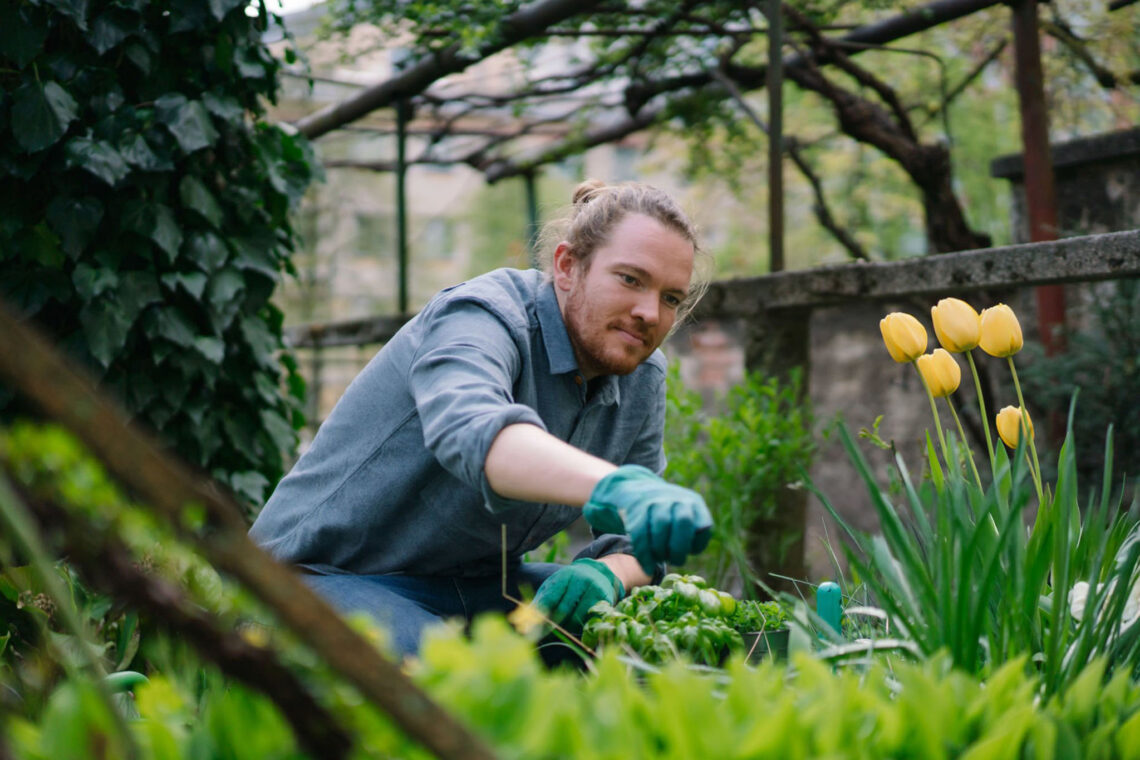
Roots Rest Easy: How to Put Your Garden to Bed Before the First Snow
As the air sharpens and frost starts whispering across the fields, there’s a quiet truth every gardener knows: a strong spring starts in the fall.
Before winter’s first snow blankets your garden, it’s time to tuck your soil, roots, and perennials in for their long, cold rest. This is not just about cleaning up — it’s about giving your garden the structure, nutrients, and protection it needs to wake up healthy and vibrant when the thaw comes.
In many ways, putting your garden to bed is like closing a well-loved book for the season. You know the story isn’t over — you’re just giving it the rest it deserves before a new chapter begins.
1. The Philosophy of Rest: Why Fall Prep Matters
Healthy gardens don’t happen by accident. While spring often gets the glory, fall is when serious gardeners invest in their future harvest. The soil needs replenishment, the roots need insulation, and pests and diseases need to be managed before they overwinter.
By preparing your garden now, you’re doing three essential things:
- Protecting the soil from erosion and nutrient leaching.
- Preserving root systems in perennials and shrubs.
- Preventing disease and pest buildup over winter.
In short, fall preparation is defensive gardening — and it pays off in fewer weeds, healthier plants, and an easier start come spring.
2. Clearing the Canvas: Cleaning Up Without Stripping It Bare
The first instinct might be to clean up everything — but not all debris is bad debris.
Your goal is to remove what harms while keeping what helps.
What to remove:
- Dead or diseased plants — they harbor pests and fungal spores.
- Vegetable garden remnants, especially tomato and squash vines, which often carry blight or mildew.
- Invasive weeds before they drop seeds.
What to keep:
- Healthy plant matter that can compost in place.
- Mulched leaves and grass clippings to protect soil structure.
- Standing perennials and native plants for wildlife shelter.
Leaving some stalks and seed heads — like coneflowers or ornamental grasses — feeds birds and supports pollinators that overwinter in stems. A tidy garden isn’t always a living one; balance is key.
3. Feeding the Soil: The Fall Fertility Fix
Once the beds are clear, the next step is to rebuild what summer took away.
After months of feeding your plants, the soil needs a meal of its own.
Top-dress your garden beds with organic matter:
- Compost: Adds nutrients and beneficial microbes.
- Aged manure: Builds soil structure and replenishes nitrogen.
- Leaf mold: Improves moisture retention and soil aeration.
If you’re short on compost, even a layer of shredded leaves or straw can make a difference.
As winter sets in, freezing and thawing will help incorporate these materials into the soil naturally — creating a soft, nutrient-rich foundation for spring planting.
For heavy feeders like corn or brassicas, consider applying rock phosphate or bone meal to boost phosphorus reserves that will be available to plants next season.
4. Cover Crops: The Living Blanket for Your Beds
Before the snow flies, sowing a cover crop (also called green manure) can transform your soil health over winter. These crops protect against erosion, suppress weeds, and add organic matter when tilled under in spring.
Some great cool-weather options include:
- Winter rye: Hardy and excellent for improving soil tilth.
- Crimson clover: Adds nitrogen and attracts beneficial insects.
- Field peas: Fast-growing and nitrogen-fixing.
Simply broadcast the seed, rake lightly, and let nature do the rest. When spring arrives, cut or till the growth back into the soil for a rich, loamy start.
5. Mulch: The Great Winter Quilt
Mulch is your garden’s comforter through the cold. It protects roots, moderates temperature swings, and prevents soil compaction from snow.
Apply a 2–4 inch layer of mulch over:
- Perennial beds
- Newly planted trees and shrubs
- Garlic or overwintering vegetables
Organic mulches like straw, shredded bark, or composted leaves work best.
Avoid piling mulch directly against plant crowns or trunks to prevent rot.
If you’re in a region with unpredictable snow cover, mulch becomes even more important—it’s your insurance policy against deep frost penetration.
6. Perennials, Bulbs, and Shrubs: Preparing the Sleepers
Different plants need different types of tucking in:
- Perennials: Trim back dead foliage to a few inches above ground once frost hits. Leave ornamental grasses and seed heads standing until spring to protect crowns and feed wildlife.
- Bulbs: Plant spring bulbs like tulips, daffodils, and crocuses before the ground freezes. Add bone meal to boost root growth.
- Shrubs: Water deeply before the freeze, and wrap sensitive species (like roses or hydrangeas) with burlap for wind protection.
Remember: dormant doesn’t mean dead. Under the frost line, roots are still alive, storing energy and preparing for the next growing season.
7. Tools, Beds, and Systems: Closing Down the Garden
Fall is also the perfect time to take care of your tools and infrastructure.
- Drain hoses and irrigation lines to prevent cracking.
- Clean and oil shovels, pruners, and trowels before storing.
- Repair raised beds or trellises while it’s still mild outside.
- Empty and clean pots to prevent mold and overwintering pests.
This attention to detail saves you a lot of frustration in spring — when you’d rather be planting than fixing.
8. Compost and Wildlife: Keeping the Ecosystem Alive
A resting garden isn’t an empty one — it’s still part of a living ecosystem.
Leave a few small brush piles or patches of leaves to support overwintering insects, frogs, and beneficial beetles.
Your compost pile should also stay active as long as possible. Keep it balanced with greens (food scraps, grass) and browns (leaves, straw), and cover it with a tarp to hold warmth and moisture through the winter.
Even in the cold, microbes keep working below the surface. Come spring, you’ll have a head start on black, nutrient-rich compost.
9. The Emotional Side of the Season
There’s something deeply grounding about putting a garden to bed. The rush of summer fades, and what’s left is quiet work — the slow satisfaction of closure. You’re not ending your garden; you’re resetting it.
Every shovel of mulch, every trimmed perennial, every compost layer is a promise to the next season — a whisper to your soil: “Rest easy. I’ll see you in the spring.”
It’s the rhythm that connects gardeners to the land — the steady turning of the seasons, one bed at a time.
Conclusion: Rest, Renewal, and Readiness
When the first snow finally falls, your garden will be ready. The soil will be protected, the roots insulated, and your future harvests quietly waiting beneath the surface.
Preparing your garden for winter isn’t just good stewardship — it’s an act of respect for the land and for yourself. A garden that rests well grows strong.
So take the time. Cover your beds. Feed your soil. Sharpen your tools.
And when the snow finally comes, you can look out over your resting garden and know: you’ve given it everything it needs to thrive again.


You May Also Like
How One Week of Early Grazing Can Damage Your Pasture for Months

How to Evaluate Pasture Strength Before First Grazing Rotation