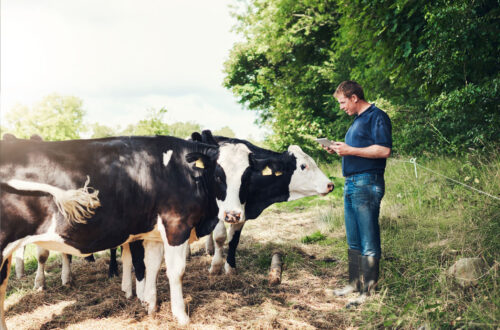
Frosted Pastures and Full Barns: Prepping Livestock for the Long Winter Ahead
When the first frost glitters across the pasture and the morning air bites with that unmistakable chill, ranchers across America know one thing: winter is coming fast. It’s a season that tests preparation, patience, and practicality. From ensuring livestock nutrition to managing frozen water lines and protecting animals from harsh winds, every decision made in late fall shapes how smoothly a ranch will operate through the cold months.
In this guide, we’ll dive deep into how to prepare your livestock and facilities for the long winter ahead—covering feed management, shelter setup, water systems, herd health, and daily routines that keep your operation efficient when the temperature drops below freezing.
1. The Pasture’s Pause: Transitioning Livestock Off Grass
By late November, pastures have lost their nutritional punch. The grasses that once kept your cattle or sheep in prime condition are now frosted, brittle, and low in energy. This is the time to make a gradual feed transition. Start introducing hay or silage before the pasture completely runs out to prevent digestive upsets.
Ranchers who plan ahead often test their hay for protein and fiber content. This small step can help fine-tune rations for pregnant cows or growing calves, ensuring you’re not overfeeding or underfeeding during the costly winter months. Adding mineral supplements is also crucial—cold weather increases animals’ metabolic rates, and deficiencies can quickly show in coat quality or weight loss.
2. Barn Management: Warmth, Airflow, and Comfort
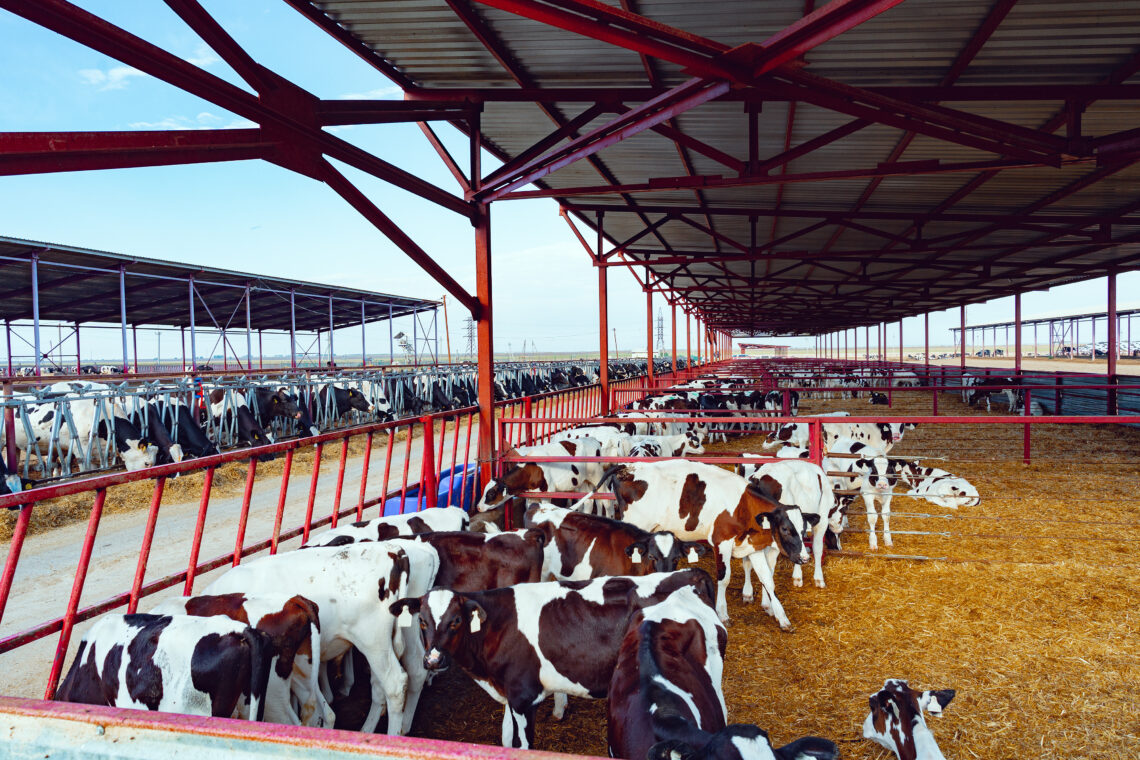
While it’s tempting to seal barns tight against the wind, ventilation is as important as insulation. Moisture buildup from animal respiration can lead to respiratory problems and frostbite in confined spaces. The goal is to keep barns dry, draft-free, and well-aerated.
Adding deep bedding—like straw or wood shavings—creates natural insulation and provides a clean, warm resting surface. Rotating bedding regularly prevents ammonia buildup, which can irritate airways. For smaller livestock like goats or sheep, raised bedding areas or platforms help them avoid lying on damp floors during freeze-thaw cycles.
3. Water Access: The Battle Against Ice
Frozen waterers are the bane of every winter rancher. Livestock need even more water in cold weather, as dry hay diets increase thirst. The simplest solution is heated water systems or tank de-icers, but even those need regular checks for electrical safety and performance.
If you rely on manual watering, plan a strict routine—breaking ice twice daily isn’t glamorous, but it’s vital. Insulated troughs or tire-tank systems buried below the frost line can also reduce freezing risk. In areas with severe cold, underground geothermal lines have become a modern solution for keeping water flowing all season.
4. Feed Storage and Efficiency
When winter locks the land, every bale and bucket counts. Storing feed in a dry, elevated location prevents spoilage and mold growth. For larger operations, stacking hay on pallets and covering it with tarps allows ventilation while keeping snow and moisture out.
Creating a feed schedule helps track consumption and identify waste. You’ll notice how certain feeding methods—like round bale feeders or slow-feed nets—can drastically reduce hay waste, saving money and labor. If your animals are outdoors most of the day, feeding windbreak-protected areas helps conserve their body heat as they eat.
5. Livestock Health: Immunity and Observation
Cold stress weakens immune systems, especially in young or older animals. Early winter is the best time to update vaccinations, check body condition scores, and perform parasite control. Monitor livestock daily—look for signs like shivering, excessive lying down, or frostbitten ears and teats.
For cattle, keeping a close eye on calves born in late fall is essential. Draft-free calf shelters and dry bedding can mean the difference between a thriving young animal and one that struggles through the season. Goats and sheep should have access to mineral blocks and shelter from sleet and wind, which can lead to pneumonia if ignored.
6. Shelter in the Open: Windbreaks and Natural Cover
Not every animal needs a barn. In fact, many hardy breeds do just fine outdoors—as long as they have proper wind protection. Permanent or portable windbreaks made from wood panels, round bales, or even trees can cut wind speed by up to 75%. That’s often enough to keep animals comfortable and prevent frostbite during subzero wind chills.
If your land allows it, rotating animals through natural cover—such as wooded patches or hillsides—offers both shelter and foraging opportunity. It’s a sustainable way to let livestock adapt naturally without over-relying on confined housing.
7. The Human Element: Staying Ahead of the Storm
Winter ranching isn’t just about animal care—it’s about endurance. Keeping backup supplies of fuel, generator power, and spare equipment can prevent a crisis when snow cuts off access. Many ranchers now use checklists or mobile apps to track chores, ensuring that nothing—water checks, gate repairs, feed inventory—slips through the cracks on short days.
And perhaps most importantly, stay flexible. Weather shifts fast in the heartland. A storm forecast can mean the difference between a calm week and 48 hours of frozen chaos.
Final Thoughts
As the fields turn white and the wind howls through empty fencelines, the difference between struggling and thriving through winter comes down to one thing: preparation.
Frosted pastures and full barns tell a story—not of survival, but of stewardship.
Winter doesn’t just test livestock; it tests ranchers. With careful planning, balanced rations, solid shelter, and constant attention, your herd will emerge in spring strong, healthy, and ready for green grass again.


You May Also Like
Winter Lot Management Tactics That Pay Off in March
How Current Ground Conditions Predict Spring Mud Problems