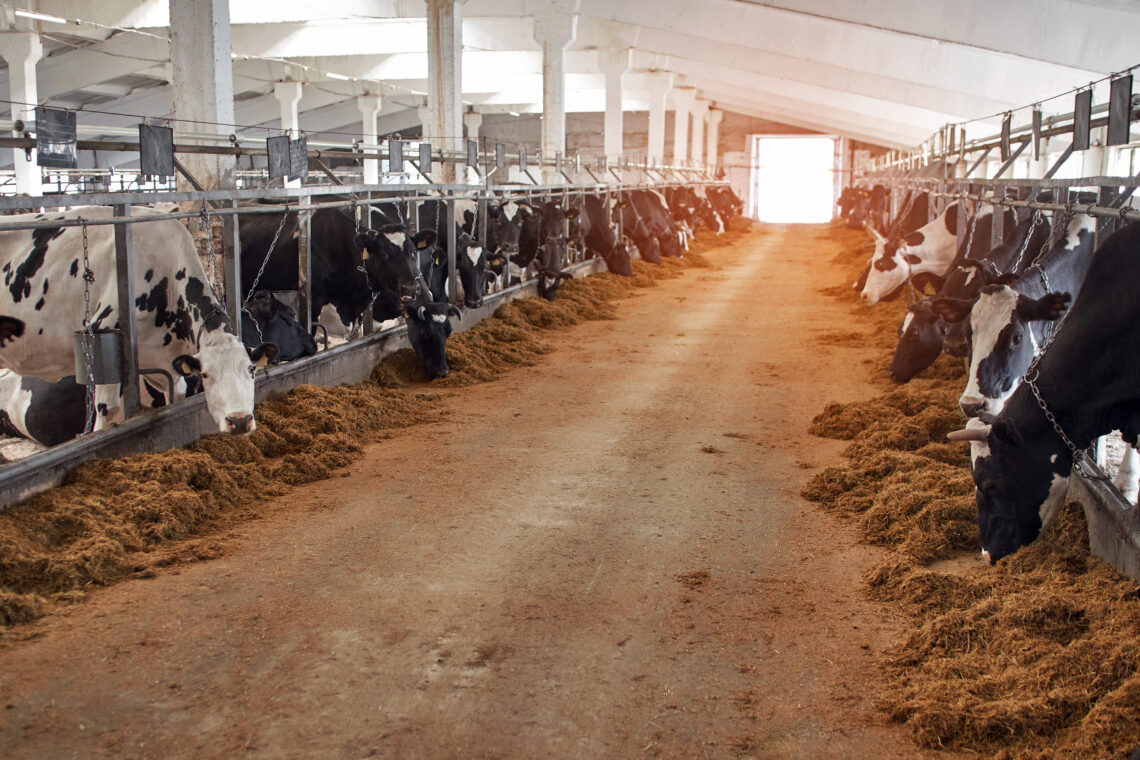
The Winter Feed Equation: Balancing Hay, Grain, and Grazing Before the Deep Freeze
As the first hard frosts settle over the fields and the days shrink into cold, gray afternoons, every rancher knows it’s time to do some serious math — not on paper, but in the feedlot. Winter feeding isn’t just about filling troughs; it’s about balancing hay, grain, and grazing to maintain livestock health, conserve resources, and stretch every dollar through the long freeze ahead.
Whether you’re managing cattle, sheep, or goats, how you handle feed from late fall into midwinter sets the tone for the entire season. Get it right, and your animals stay strong, efficient, and ready for spring. Get it wrong, and you’ll be fighting weight loss, wasted hay, and unnecessary expense.
Let’s break down the winter feed equation—the key principles that keep your herd healthy and your operation running smoothly when the pastures fade and the cold sets in.
1. The Foundation: Knowing What’s in Your Hay
Hay is the backbone of most winter feeding programs, but not all bales are created equal. The first step in the winter feed equation is testing and understanding hay quality.
Crude protein (CP) and total digestible nutrients (TDN) determine how much hay your animals actually need.
- High-quality legume hay (like alfalfa) can have 15–20% protein and plenty of energy.
- Mid-grade grass hay (timothy, orchardgrass, or brome) averages 8–12%.
- Low-quality late-cut hay may drop below 8%—more filler than fuel.
Knowing these numbers lets you decide if you need to supplement with grain or protein tubs, or if your hay alone can carry your herd through. A basic forage analysis costs less than a few bales of hay—and can save you hundreds by preventing overfeeding.
2. Grazing Before the Snow Falls
Before you dive into stored feed, make the most of what nature still offers. Stockpiled grazing—allowing pastures to rest in late summer and then using them in fall—can be a game-changer.
Cattle, sheep, and goats can graze stockpiled fescue or ryegrass well into December in much of the U.S., provided it’s not buried in snow. Each day of grazing saves you feed and labor costs.
Here’s the trick:
- Strip graze small sections with temporary fencing to reduce trampling.
- Monitor body condition closely; once forage protein drops below 7%, it’s time to start introducing hay.
- Provide salt and mineral blocks to maintain rumen function and encourage steady forage intake.
Stockpiled grass isn’t just free feed—it’s high in fiber and helps animals transition naturally to the roughage-heavy diets of winter.
3. The Role of Grain: Energy When the Cold Bites Hard
When temperatures plummet, livestock burn more calories just to stay warm. That’s where grain supplementation comes in. But it’s a delicate balance—too much grain can cause digestive upset or acidosis, especially if animals are used to roughage.
- For cattle: Limit grain to 0.5–1% of body weight per day.
- For sheep and goats: 0.25–0.5% of body weight keeps energy levels up without digestive issues.
Corn, oats, and barley are all solid options, but the key is consistency. Feed at the same time each day, and avoid sudden jumps in grain quantity.
Remember: Grain doesn’t replace hay—it complements it. The roughage in hay keeps the rumen healthy, while grain provides the quick-burning calories needed to handle subzero nights.
4. Smart Feeding Strategies: Reduce Waste, Increase Efficiency
Hay waste is one of winter’s biggest profit drains. Up to 30% of hay can be lost if you’re feeding on open ground or letting animals trample loose bales.
Try these techniques:
- Use round-bale feeders with solid bottoms or hay nets to cut waste.
- Feed smaller amounts more frequently to reduce trampling.
- If possible, feed during colder times of the day—animals eat faster and waste less.
- Keep hay storage covered and off the ground to prevent moisture loss and mold.
Small improvements in feed management can add up to weeks of extra hay by spring.
5. Water and Minerals: The Forgotten Parts of the Equation
Feed is only half the story—water and minerals are the unsung heroes of winter feeding success.
Frozen waterers limit intake, and when animals drink less, they eat less. Keep water above 40°F if possible with tank heaters or insulated troughs. Inadequate hydration can lead to impaction or reduced milk production in lactating animals.
Don’t neglect minerals either. Cold weather increases the demand for phosphorus, selenium, and vitamin E. A high-quality winter mineral mix supports immunity and reproduction, especially in pregnant cows or ewes heading into the final trimester.
6. Adjusting for Animal Type and Condition
Every herd is different. Growing animals, pregnant females, and older stock all have unique needs.
- Pregnant cows in late gestation need 10–12% protein and 60% TDN to support calf growth.
- Weanlings and yearlings require higher energy to maintain gains in cold weather.
- Older livestock may need softer hay or grain mixes due to worn teeth and slower digestion.
Keeping a close eye on body condition scores (BCS) helps prevent underfeeding or overfeeding. Animals should enter winter with a healthy fat layer—they’ll burn it slowly through the season.
7. Planning Ahead: Feeding Into Spring
Don’t just feed for survival—feed for recovery. The goal of your winter feed equation should be to have livestock maintain or slightly gain weight by spring. That way, when green-up begins, they transition smoothly without nutritional shock.
Track how long your hay lasts each week. If you’re running short, stretch feed with grain or by-product feeds like beet pulp or distillers grains. A little flexibility and planning now can prevent a crisis later.
Final Thoughts
Balancing hay, grain, and grazing isn’t about sticking to rigid numbers—it’s about reading your animals and the land.
The best ranchers adapt. They know when to feed heavier before a storm, when to rotate to another paddock, and when to pull back on grain as temperatures rise. It’s a rhythm built from observation, patience, and respect for the season’s challenges.
Winter will always test your operation—but with the right balance, your livestock will emerge from the deep freeze healthy, strong, and ready for the first green shoots of spring.


You May Also Like
How One Hidden Factor Is Quietly Reducing Your Ranch Output Right Now
Spring Pasture Revival: What Your Grass Needs First