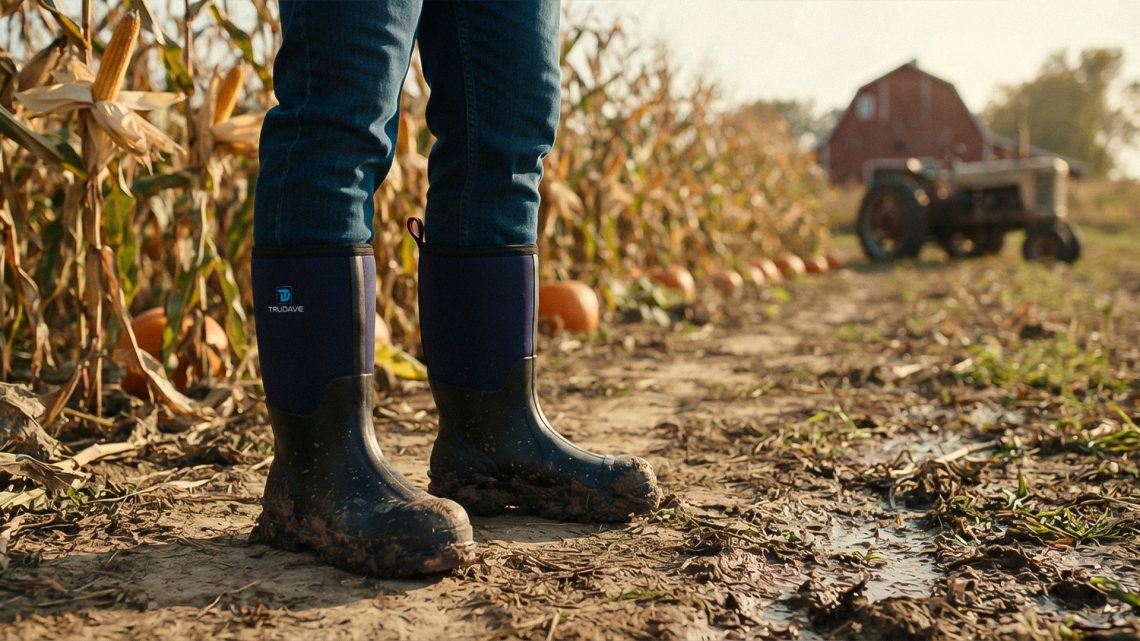
Best Boots for Pool and Aquatic Center Maintenance
Swimming pools are designed for water, but that does not mean every shoe is designed for working around them.
Aquatic center employees may spend their shifts moving between wet pool decks, mechanical rooms, filtration systems, locker rooms, outdoor pool areas, drainage channels, chemical-storage zones, equipment yards, and loading areas.
The environment creates a very different footwear problem from ordinary facility maintenance.
Workers may encounter:
- Wet concrete.
- Tile.
- Chlorinated water.
- Cleaning solution.
- Algae.
- Outdoor grass.
- Gravel.
- Pump-room floors.
- Drainage channels.
- Rain.
- Pressure-wash spray.
- Pool equipment.
The best boots for pool maintenance workers should provide waterproof protection where needed while remaining comfortable on hard floors, easy to clean, stable on wet surfaces, and practical for technicians who repeatedly climb stairs, kneel beside equipment, carry tools, and move between indoor and outdoor areas.
Pool Maintenance Is Mostly a Hard-Surface Job
Unlike agricultural work, aquatic facility employees spend most of the day on:
- Concrete.
- Tile.
- Coated floors.
- Metal stairs.
- Rubber mats.
- Pool decks.
That means deep mud tread is usually unnecessary.
The ideal outsole should prioritize broad contact with the walking surface.
Useful characteristics include:
- Flexible rubber.
- Moderate grooves.
- Stable heel contact.
- Water-dispersing channels.
- Easy-clean tread.
A giant agricultural lug pattern may provide less useful contact on smooth pool decks.
Wet Pool Decks Create the Main Traction Challenge
Pool decks can remain wet almost continuously during operating hours.
Water may come from:
- Swimmers.
- Splash.
- Cleaning.
- Rain.
- Hose work.
- Equipment maintenance.
A thin layer of water can reduce traction even when the surface looks relatively clean.
Workers should select footwear specifically for wet hard surfaces rather than assuming any rubber boot will perform equally well.
Tile Changes the Footwear Equation
Some aquatic facilities use tile around:
- Showers.
- Locker rooms.
- Indoor pools.
- Therapy pools.
Wet tile may be more difficult than textured concrete.
Workers benefit from:
- Soft flexible outsole rubber.
- Broad surface contact.
- Clean tread.
- Controlled movement.
No ordinary boot guarantees slip-free movement on wet tile.
Why Deep Outdoor Lugs Can Be a Poor Choice Indoors
Deep tread can trap:
- Hair.
- debris.
- dirt.
- cleaning residue.
It may also reduce the amount of rubber touching a smooth floor.
For indoor aquatic facilities, moderate tread is usually more practical.
Boots for Pool Deck Cleaning
Pool decks require regular cleaning.
Workers may use:
- Hoses.
- Deck brushes.
- Scrubbers.
- Cleaning products.
- Pressure washers.
Mid-height waterproof boots provide useful splash protection without becoming overly bulky.
Pressure-Wash Work Requires Proper Technique
Waterproof footwear is useful during pressure washing, but it does not protect workers from direct high-pressure spray.
A pressure washer can cause serious injury.
Workers should never direct the nozzle toward their own feet or body.
Boots for Indoor Aquatic Centers
Indoor facilities may be:
- Warm.
- Humid.
- Wet throughout the day.
Heavy insulated boots can become uncomfortable.
Workers should generally prioritize:
- Uninsulated construction.
- Lightweight materials.
- Waterproof uppers.
- Removable insoles.
- Moderate shaft height.
Humidity Can Make Boots Damp From the Inside
Even fully waterproof boots may become damp because of perspiration.
Indoor aquatic facilities can be warm enough to make heavy rubber footwear uncomfortable during long shifts.
Moisture-wicking socks and proper drying help.
Boots for Outdoor Swimming Pools
Outdoor pools add:
- Rain.
- Grass.
- Soil.
- Gravel.
- Leaves.
- Mud.
A slightly more versatile outsole may be useful.
Workers may need to move between pool decks and landscaped areas while inspecting:
- Fences.
- Pumps.
- Drainage.
- Deck furniture.
Boots for Public Pool Opening Crews
Seasonal pools often require substantial preparation before opening.
Workers may:
- Remove covers.
- Drain standing water.
- Clean decks.
- Reconnect equipment.
- Repair plumbing.
- Wash furniture.
This early-season work can be much wetter and dirtier than routine summer maintenance.
Mid-calf waterproof boots can be especially practical.
Boots for Pool Closing and Winterization
End-of-season work may involve:
- Drainage.
- Wet covers.
- Hoses.
- Leaves.
- Cold water.
- Mud.
Workers may need more shaft coverage and warmer socks than during summer operations.
Best Boots for Pump Rooms
Pool pump rooms may contain:
- Pumps.
- Filters.
- Pipes.
- Valves.
- Concrete floors.
- Water.
- Lubricants.
Technicians need precise movement around equipment.
A supportive waterproof lace-up work boot may be more practical than a loose tall rubber boot.
Pump-Room Floors Can Stay Damp
Small leaks and condensation may keep mechanical-room floors wet.
Workers should prioritize:
- Hard-floor traction.
- stable heel support.
- waterproof construction.
- moderate outsole thickness.
Boots for Filter Maintenance
Pool filtration systems may include:
- Sand filters.
- Cartridge filters.
- Diatomaceous earth systems.
Workers may need to:
- Open housings.
- Rinse components.
- Drain water.
- move equipment.
Footwear should provide good stability during lifting and hose work.
Sand Filter Work
Sand-filter maintenance may expose workers to:
- Water.
- wet sand.
- concrete.
- equipment.
Deep tread is unnecessary unless outdoor mud is also involved.
Cartridge Filter Cleaning
Cartridge cleaning can create significant splash.
Waterproof footwear helps prevent repeated soaking during hose cleaning.
Boots for Backwashing Operations
Backwashing may create wet conditions around:
- Drain lines.
- valves.
- discharge areas.
Outdoor discharge zones may become muddy.
Workers performing both indoor and outdoor tasks need mixed-surface footwear.
Boots for Pool Drainage Work
Aquatic facilities may include:
- Deck drains.
- trench drains.
- locker-room drains.
- equipment-room drains.
Workers may clean debris such as:
- Hair.
- leaves.
- dirt.
- organic material.
Easy-clean tread is especially useful.
Drain Debris Can Hide Sharp Objects
Public facilities may occasionally contain:
- Broken plastic.
- metal fragments.
- sharp debris.
A thick outsole does not automatically provide puncture resistance.
Use appropriately rated footwear when workplace hazards require it.
Boots for Locker Room Maintenance
Locker rooms may have:
- Wet tile.
- showers.
- drains.
- cleaning products.
A lower-profile waterproof work boot may provide better mobility than tall rubber boots.
Boots for Shower Area Cleaning
Shower areas are one of the slickest parts of many aquatic facilities.
Workers should prioritize broad outsole contact and easy-clean materials.
Frequent floor maintenance remains essential.
Boots for Lifeguard Support Staff
Lifeguards usually use different footwear from maintenance employees.
However, staff helping with:
- Equipment setup.
- deck cleaning.
- emergency maintenance.
may benefit from waterproof work shoes or lower-profile boots.
Boots for Pool Furniture Setup
Aquatic center crews may move:
- Loungers.
- tables.
- umbrellas.
- barriers.
Workers carrying bulky furniture need secure heel retention and stable footing.
Boots for Competition Pool Setup
Competition facilities may require workers to install or move:
- Timing equipment.
- lane ropes.
- starting blocks.
- bulkheads.
These tasks often combine wet floors with heavy equipment.
Protective-toe footwear may be appropriate depending on the job.
Boots Around Starting Blocks
Wet deck surfaces around starting blocks require careful movement.
Workers should keep boot tread free from debris before stepping onto elevated structures.
Boots for Lane-Line Installation
Lane ropes can create trip hazards when spread across the deck.
Footwear should allow precise movement rather than feeling bulky.
Boots for Diving Well Maintenance
Diving facilities may include:
- Towers.
- stairs.
- platforms.
- wet concrete.
Maintenance workers need secure heel retention and stable stair contact.
Loose pull-on boots may be less practical for frequent climbing.
Boots for Water-Slide Maintenance
Water parks and aquatic centers may maintain:
- Slides.
- stairs.
- elevated platforms.
- splash zones.
Workers need controlled footing and strong ankle support.
Waterproof lace-up work boots may be more practical than rubber pull-ons when climbing is frequent.
Boots for Splash Pad Maintenance
Splash pads create continuous water exposure.
Workers may repair:
- Nozzles.
- drains.
- pumps.
- controls.
Mid-height waterproof boots are useful during maintenance shutdowns and cleaning.
Boots for Lazy River Maintenance
Lazy-river systems may involve:
- Wet decks.
- filters.
- pumps.
- channels.
Workers may also need to enter shallow areas during maintenance.
If water rises above ordinary boot height, specialized waterproof PPE or waders may be more appropriate.
Boots for Therapy Pools
Therapy and rehabilitation pools are usually indoor and warm.
Maintenance staff should prioritize:
- Lightweight footwear.
- wet-floor traction.
- cushioning.
- easy cleaning.
Heavy outdoor boots are usually unnecessary.
Boots for Hotel Pool Maintenance
Hotel technicians often move between:
- Pool decks.
- mechanical rooms.
- guest areas.
- landscaped grounds.
They may prefer footwear that is waterproof yet relatively neat in appearance.
A lower-profile waterproof work boot may be ideal.
Boots for Apartment Pool Technicians
Property-maintenance employees may work on pools as only one part of the job.
They may also handle:
- Landscaping.
- irrigation.
- plumbing.
- building maintenance.
Versatile waterproof work boots are more practical than highly specialized pool-only footwear.
Boots for Resort Aquatic Maintenance
Resorts may operate:
- Pools.
- hot tubs.
- fountains.
- water features.
Workers move across both indoor and outdoor environments.
Mixed-surface comfort becomes important.
Hot Tub Maintenance Boots
Hot tubs create splash around small equipment spaces.
Workers may kneel beside pumps, filters, and plumbing.
Flexible waterproof footwear is useful.
Boots for Fountain Maintenance
Facility crews may also maintain decorative fountains.
These areas may contain:
- Algae.
- wet stone.
- standing water.
Algae-covered surfaces can be extremely slippery.
No ordinary boot eliminates this hazard.
Boots for Pond-Style Natural Pools
Natural swimming pools may include:
- Plants.
- gravel.
- soil.
- pond edges.
Workers may need a more outdoor-focused waterproof boot with moderate mud traction.
Pool Chemicals Require Specific PPE Decisions
Pool facilities may use substances such as:
- Chlorine compounds.
- acids.
- alkalinity adjusters.
- cleaners.
- sanitizers.
A waterproof rubber boot is not automatically resistant to every chemical.
Workers should follow:
- Chemical labels.
- SDS guidance.
- employer PPE rules.
- footwear manufacturer compatibility information.
Waterproof Is Not the Same as Chemical Resistant
This distinction matters.
A boot can prevent water entry while still being damaged by concentrated chemicals.
The correct footwear depends on:
- Chemical type.
- Concentration.
- Exposure duration.
- Work procedure.
Boots for Chemical Storage Rooms
Chemical rooms may require specialized PPE.
Workers should not choose footwear for these areas based only on comfort or waterproofing.
Facility procedures take priority.
Boots for Chlorine Handling
Where chlorine-based products are handled, workers should use PPE specified by the employer and product documentation.
Generic rain boots should not automatically be assumed appropriate.
Boots for Acid Handling
Pool maintenance may involve acid-based products.
Chemical-resistant footwear may be required.
Ordinary waterproof boots should not be treated as universal chemical protection.
Boots for Saltwater Pool Systems
Saltwater pools still use chemical treatment systems.
Salt residue may accumulate around equipment areas.
Footwear should be rinsed and cleaned regularly.
Boots for Pool Equipment Loading Areas
Facilities may receive:
- Chemical containers.
- filters.
- pumps.
- furniture.
- maintenance supplies.
Safety-toe footwear may be appropriate around heavy materials.
Boots for Utility Cart Operators
Large resorts or recreation facilities may use carts or UTVs.
Operators need:
- Good pedal control.
- moderate outsole thickness.
- secure heel fit.
Tall rubber boots may be unnecessarily bulky.
Boots for Maintenance Ladders
Technicians may climb ladders to reach:
- Pipes.
- lighting.
- slide equipment.
- elevated mechanical systems.
Footwear should provide stable rung contact.
Before climbing, outsole grooves should be free from mud or debris.
Boots for Pool Lighting Maintenance Support
Electrical work around water requires strict procedures.
Waterproof footwear does not automatically provide electrical hazard protection.
Appropriate electrical PPE and lockout procedures are essential.
Boots for Outdoor Pool Landscaping
Some pool technicians also maintain surrounding landscaping.
They may encounter:
- Wet grass.
- mulch.
- mud.
- irrigation.
A moderate mixed-surface outsole works better than a purely indoor pool-deck sole.
Boots for Leaf Cleanup
Outdoor pools may accumulate leaves after storms.
Wet leaves can become slippery on concrete.
Broad outsole contact and regular cleanup are important.
Storm Cleanup Around Pools
Storms may leave:
- Branches.
- mud.
- standing water.
- damaged furniture.
- debris.
Maintenance crews may temporarily need more rugged footwear.
Boots for Flooded Pool Equipment Rooms
Severe weather can flood low mechanical spaces.
Taller waterproof boots may be useful for shallow standing water when permitted by facility procedures.
Deeper water may require additional protective equipment.
Summer Pool Maintenance
Summer is often the busiest season.
Workers may spend hours in heat.
Heavy insulated boots are usually a poor choice.
Prioritize:
- Uninsulated construction.
- lower weight.
- moisture-wicking socks.
- removable insoles.
Winter Indoor Aquatic Work
Indoor aquatic centers remain warm year-round.
Winter insulation is generally unnecessary indoors even when the weather outside is cold.
Employees moving frequently outdoors may prefer moderate rather than heavy insulation.
Winterizing Outdoor Pools
Cold-season shutdown work may involve:
- Cold water.
- wet covers.
- rain.
- slush.
Waterproof mid-calf boots with cold-flexible outsoles may be practical.
Heel Retention Matters Around Wet Decks
A worker may need to change direction quickly around:
- Equipment.
- swimmers.
- hoses.
Loose heel movement reduces control.
A secure fit is valuable even on flat pool decks.
Flexibility Matters for Kneeling
Pool maintenance technicians frequently kneel to work on:
- Drains.
- filters.
- valves.
- deck hardware.
The boot should flex comfortably at the forefoot and ankle.
Cushioning Matters More Than Boot Height
Pool workers may spend most of the day on concrete.
Underfoot support often contributes more to comfort than having the tallest waterproof shaft available.
Best Socks for Pool Maintenance Workers
Synthetic and wool-blend socks usually perform better than cotton.
Look for:
- Moisture wicking.
- heel cushioning.
- secure fit.
- quick drying.
Removable Insoles Make Wet Work Easier
Removable footbeds help:
- Dry boots.
- replace cushioning.
- improve hygiene.
- reduce odor.
Boot Weight Adds Up During Facility Rounds
Large aquatic centers may require technicians to walk continuously between:
- Pump rooms.
- locker rooms.
- pools.
- storage.
- outdoor areas.
Lighter footwear reduces unnecessary fatigue.
Easy-Clean Construction Is Important
Pool-maintenance boots may collect:
- Hair.
- leaves.
- algae.
- dirt.
- cleaning residue.
Smooth waterproof uppers and simple tread make daily cleaning easier.
How to Clean Pool Maintenance Boots
A practical routine may include:
- Remove visible debris.
- Rinse the exterior.
- Brush tread grooves.
- Follow chemical-specific procedures after exposure.
- Inspect for cracks.
- Remove damp insoles.
- Dry footwear thoroughly.
Chlorinated Water Should Not Be Left on Boots Indefinitely
Regular rinsing with clean water helps remove pool residue.
This is especially useful for footwear exposed to chlorinated splash every day.
Algae Should Be Removed From Tread
Organic buildup can reduce traction.
Brush outsole channels regularly.
How to Dry Aquatic Center Boots
After work:
- Remove insoles.
- open the boot.
- allow airflow.
- use low-temperature drying if approved.
Avoid strong direct heat.
Rotating Footwear Can Improve Comfort
Full-time aquatic workers may benefit from two pairs of work boots.
Rotating them allows additional drying time.
When Pool Maintenance Boots Should Be Replaced
Replace footwear when:
- Waterproofing fails.
- outsole tread becomes smooth.
- chemical damage appears.
- cracks develop.
- sole separation begins.
- heel support collapses.
- cushioning becomes ineffective.
Do Pool Maintenance Workers Need Safety-Toe Boots?
Safety toes may be appropriate for employees handling:
- Pumps.
- filters.
- chemical containers.
- furniture.
- heavy mechanical equipment.
Routine deck-cleaning workers may not require the same protection.
Puncture Hazards in Aquatic Facilities
Maintenance zones may contain:
- Screws.
- broken plastic.
- metal parts.
- damaged equipment.
Standard rubber soles are not automatically puncture resistant.
Common Mistakes When Buying Pool Maintenance Boots
Buying Deep Farm Boots for Indoor Pool Decks
Aggressive tread is usually unnecessary.
Choosing Footwear Only for Waterproofing
Hard-floor comfort and traction are equally important.
Wearing Tall Stiff Boots for Mechanical Work
They can make kneeling and climbing uncomfortable.
Assuming Waterproof Means Chemical Resistant
Pool chemicals require specific material compatibility.
Ignoring Warm Indoor Temperatures
Heavy boots can create excessive heat and sweat.
Buying Boots Too Loose
Secure heel fit improves movement around wet floors.
Ignoring Ladder and Stair Work
Maintenance footwear must provide controlled contact on elevated equipment.
Using Worn Smooth Soles Because the Boots Still Do Not Leak
Traction can fail before waterproofing does.
How to Choose the Best Boots for Pool Maintenance Work
Start with the technician’s main responsibility.
For deck-cleaning crews, prioritize:
- Full waterproofing.
- wet-hard-surface traction.
- moderate shaft height.
- easy cleaning.
For pump-room technicians, prioritize:
- Ankle support.
- stable heel fit.
- cushioning.
- equipment compatibility.
For outdoor pool crews, prioritize:
- Mixed-surface tread.
- rain protection.
- gravel and grass comfort.
For aquatic center sanitation teams, prioritize:
- Easy-clean materials.
- simple tread.
- splash protection.
- chemical compatibility where required.
For water-park maintenance, prioritize:
- Secure climbing support.
- waterproof construction.
- stable stair contact.
For facility mechanics, prioritize:
- Safety ratings.
- hard-floor support.
- durable waterproof construction.
Workers comparing waterproof footwear from brands such as Trudave Gear should select boots based on the actual combination of pool decks, washdown, mechanical rooms, outdoor weather, standing time, and maintenance work involved in the job.
Frequently Asked Questions
What are the best boots for pool maintenance workers?
The best pool maintenance boots are waterproof, comfortable on concrete, easy to clean, securely fitted, and equipped with moderate tread designed for wet hard surfaces.
Are rubber boots good for swimming pool maintenance?
Yes. Rubber boots are especially practical for pool-deck cleaning, washdown, filter cleaning, outdoor pool opening, and other high-splash tasks.
How tall should pool maintenance boots be?
Mid-height or mid-calf boots are versatile for most tasks. Taller boots may be useful during heavy washdown, drainage work, and shallow flooding.
What boots are best for wet pool decks?
Waterproof boots with flexible rubber, broad outsole contact, moderate grooves, secure heel support, and good cushioning are practical.
Are deep mud boots good around swimming pools?
Usually not. Aggressive tread can trap debris and may provide less useful contact on smooth deck surfaces.
Do pool maintenance workers need safety-toe boots?
Some mechanical, loading, chemical-handling, and heavy-equipment duties may require safety-toe footwear.
Are waterproof boots resistant to chlorine and pool chemicals?
Not automatically. Workers should confirm material compatibility with the specific products used at their facility.
What boots are best for pump-room technicians?
Supportive waterproof work boots with secure heel fit, moderate outsole thickness, cushioning, and good hard-floor traction are practical.
What footwear is best for outdoor pool opening and closing?
Mid-calf waterproof boots with mixed-surface tread, comfortable support, and enough coverage for wet covers, mud, and hose work are useful.
How should pool maintenance boots be cleaned?
Remove debris, rinse pool residue, brush outsole grooves, follow chemical-exposure procedures when necessary, and allow the boots to dry completely.
Final Thoughts
Swimming pool and aquatic center maintenance combines wet concrete, tile, hoses, filtration systems, mechanical rooms, outdoor weather, drainage, chemical handling, ladders, and long periods of standing.
The best footwear depends on the worker’s actual role.
Deck-cleaning crews benefit from waterproof boots with strong wet-floor contact and simple easy-clean construction.
Pump-room technicians often need more structured support and precise movement.
Outdoor pool workers need greater versatility for grass, gravel, rain, and mud.
Water-park maintenance teams may need stronger ankle support for stairs and elevated equipment.
Workers handling chemicals or heavy mechanical components may require specialized protective footwear beyond ordinary waterproof boots.
Trudave Gear offers waterproof outdoor and work footwear suited to wet floors, rain, washdown, maintenance, and demanding daily work environments.
Choosing footwear according to the actual aquatic-facility task can help workers stay drier, maintain better footing, reduce fatigue, and move more comfortably from the first pool-deck inspection of the morning to the final pump-room check after closing.


You May Also Like

The Early Spring Pasture Mistake That Hurts Grass Growth All Year

Hay Storage Mistakes That Cost Farmers Thousands Every Winter