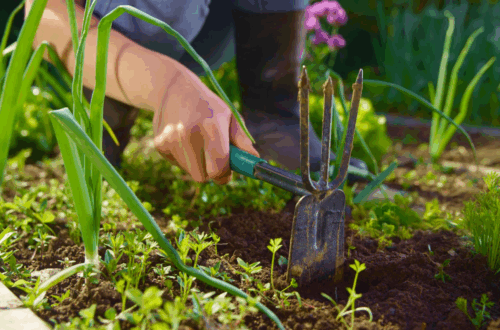
Best Boots for Greenhouse and Plant Nursery Work
Commercial greenhouse work may happen under a roof, but that does not mean workers stay dry.
Growing facilities depend on constant watering, irrigation, misting, plant washing, drainage, and humidity control.
A greenhouse employee may spend the morning watering benches, move bags of growing media, work around wet concrete aisles, transfer plants to an outdoor nursery yard, load carts on gravel, and finish the day washing down production areas.
That creates a footwear environment with more variety than many people expect.
Greenhouse and nursery workers may encounter:
- Wet concrete.
- Gravel.
- Potting soil.
- Peat.
- Bark.
- Mud.
- Irrigation runoff.
- Standing water.
- Fertilizer residue.
- Plant debris.
- Loading docks.
- Outdoor grass.
- High humidity.
The best boots for greenhouse work should keep feet dry while remaining lightweight enough for long shifts, comfortable on hard floors, easy to clean, and stable when workers move between wet indoor aisles and outdoor nursery areas.
Greenhouse Work Is Wet Without Being Deep-Water Work
Most greenhouse employees are not standing in deep water.
The challenge comes from repeated low-level exposure.
Water may reach footwear through:
- Irrigation overspray.
- Leaking hoses.
- Bench drainage.
- Misting systems.
- Floor cleaning.
- Wet plant foliage.
- Outdoor rain.
Ordinary fabric work shoes may gradually become saturated.
Waterproof footwear provides much more predictable protection.
Why Mid-Height Boots Often Work Better Than Tall Farm Boots
Knee-high boots are useful in deep mud, but greenhouse workers usually do not need that much shaft height.
Extra-tall boots can add:
- Weight.
- Heat.
- stiffness.
Mid-height or mid-calf waterproof boots often provide enough protection for:
- Watering.
- runoff.
- shallow puddles.
- wet plant contact.
while allowing more comfortable movement.
Greenhouse Floors Need Different Tread Than Open Fields
Many commercial greenhouses use:
- Concrete.
- Compacted gravel.
- Ground cloth.
- Pavers.
- Drainage mats.
Very aggressive agricultural tread may be unnecessary.
For wet hard surfaces, workers generally benefit from:
- Broad outsole contact.
- Flexible rubber.
- Moderate grooves.
- Stable heel support.
- Easy-clean tread.
Boots for Wet Concrete Greenhouse Aisles
Concrete aisles can stay damp for hours after watering.
They may also collect:
- Soil.
- leaves.
- algae.
- fertilizer residue.
Suitable footwear should provide strong hard-floor contact while remaining easy to rinse.
Algae Can Develop in Constantly Wet Areas
Greenhouse floors exposed to moisture and light may develop biological growth.
Algae-covered surfaces can become extremely slippery.
No ordinary boot makes algae completely safe.
Good footwear should be combined with:
- Regular cleaning.
- Proper drainage.
- Controlled movement.
Boots for Gravel Greenhouse Floors
Some growing facilities use gravel because it supports drainage.
Workers may spend entire shifts walking across small stone.
Thin rain boots can become uncomfortable quickly.
Look for:
- Supportive midsoles.
- Durable outsole rubber.
- Stable heel cups.
- Enough cushioning for repeated walking.
Gravel Can Become Uneven Over Time
Heavy carts and foot traffic can create:
- Ruts.
- low areas.
- loose stone.
Supportive footwear helps workers maintain control on uneven surfaces.
Boots for Irrigation Crews
Irrigation employees may work around:
- Drip lines.
- sprinklers.
- emitters.
- valves.
- pumps.
- hoses.
Leaks can create localized wet areas rapidly.
Useful footwear features include:
- Waterproof construction.
- flexible movement.
- secure heel retention.
- moderate tread.
- easy-clean uppers.
Boots for Hand Watering
Many nurseries still rely heavily on hand watering.
Workers may stand beside hoses for hours.
Water may repeatedly splash onto:
- Toes.
- ankles.
- lower legs.
Mid-calf waterproof boots provide practical protection.
Hose Work Requires Flexible Footwear
Workers constantly step over or around hoses.
Very bulky boots can make precise foot placement more difficult.
A moderate outsole profile usually works better.
Boots for Misting Houses
Propagation areas may use misting systems that keep the environment continuously humid.
Floors can stay wet throughout the day.
Waterproof boots with strong hard-floor traction are especially useful.
Boots for Propagation Workers
Propagation employees may perform:
- Cutting.
- sticking.
- tray handling.
- watering.
- bench work.
They often take many short steps rather than walking long distances.
Lightweight footwear reduces fatigue.
Boots for Seedling Greenhouses
Seedling operations may contain large numbers of trays and narrow aisles.
Workers need footwear that allows precise movement.
Overly wide or bulky boots may be inconvenient between benches.
Boots for Potting Areas
Potting workers handle:
- Soil mixes.
- peat.
- perlite.
- bark.
- compost.
These materials can spill onto floors and become wet.
Boots should have tread that does not easily trap large amounts of growing media.
Potting Soil Can Pack Into Deep Tread
Wet potting mix may behave like soft mud.
Once packed into outsole grooves, it increases boot weight and reduces contact with hard floors.
Simple, moderate tread is easier to clean.
Boots for Peat and Coco Coir Handling
Growing media such as peat and coco may hold significant moisture.
Workers handling these materials need footwear that stays waterproof and cleans easily.
Boots for Bark and Mulch Areas
Nurseries may store:
- Bark.
- mulch.
- wood chips.
These materials shift underfoot.
Extremely deep tread does not necessarily improve stability.
Broad outsole contact and secure heel fit are often more useful.
Boots for Plant Benches
Workers may spend hours moving between benches.
They frequently:
- Bend.
- reach.
- turn.
- push carts.
Footwear should allow natural forefoot flex.
Rigid tall boots may become tiring.
Boots for Rolling Bench Systems
Some greenhouses use movable benches.
Workers may need precise foot placement near:
- Tracks.
- wheels.
- moving platforms.
Moderate tread and secure fit are important.
Boots for Hanging Basket Production
Hanging-basket crews may repeatedly look upward, carry plants, and move around wet aisles.
Stable heel support helps workers maintain balance while carrying awkward loads.
Boots for Flower Greenhouses
Floriculture operations may grow:
- Roses.
- chrysanthemums.
- poinsettias.
- annuals.
- bedding plants.
Workers may encounter dense foliage that stays wet after irrigation.
Waterproof mid-height boots are useful even when the floor itself is relatively dry.
Wet Leaves Can Soak Lower Legs
Workers brushing past benches may contact water trapped on foliage.
This is another reason footwear with more coverage than low shoes can be helpful.
Boots for Vegetable Transplant Nurseries
Vegetable nurseries may produce:
- Tomato transplants.
- peppers.
- lettuce.
- brassicas.
- herbs.
Workers may move quickly between propagation, growing, shipping, and outdoor hardening areas.
Versatile waterproof footwear works best.
Boots for Tree Nurseries
Tree and shrub nurseries often involve more outdoor work.
Workers may encounter:
- Soil.
- mud.
- gravel.
- irrigation.
- larger containers.
A more rugged waterproof work boot may be appropriate.
Boots for Container Nurseries
Container nursery workers may handle heavy pots.
They may walk across:
- Gravel.
- weed mat.
- wet soil.
Supportive midsoles are important.
Heavy Plant Containers Change Footwear Requirements
Large pots can be heavy and awkward.
Safety-toe footwear may be appropriate depending on workplace procedures.
Boots for Outdoor Nursery Yards
Outdoor plant yards are exposed to:
- Rain.
- standing water.
- irrigation.
- mud.
Workers may need more open tread than greenhouse-only employees.
Boots for Nursery Mud
Repeated irrigation can turn soil around container blocks into soft mud.
Useful tread features include:
- Open channels.
- defined heel edges.
- moderate lug depth.
- secure heel fit.
Boots for Nursery Gravel Roads
Employees may walk long distances between:
- Plant blocks.
- shipping areas.
- storage.
- greenhouses.
Cushioning becomes especially important.
Boots for Loading Plant Carts
Nursery carts may carry dozens of plants.
Workers pushing heavy carts need:
- Stable heel support.
- good floor contact.
- cushioning.
- secure fit.
Boots for Garden Center Loading Crews
Some nurseries also operate retail garden centers.
Workers may load plants into customer vehicles.
Their footwear may need to work on:
- Concrete.
- asphalt.
- gravel.
- wet outdoor surfaces.
A clean-looking waterproof work boot is useful.
Boots for Retail Nursery Employees
Retail workers may transition between:
- Greenhouses.
- outdoor plant areas.
- cash registers.
- customer parking lots.
Heavy rubber farm boots may be unnecessary.
Lower-profile waterproof boots often provide a better balance.
Boots for Plant Shipping Departments
Shipping crews may work around:
- Racks.
- carts.
- boxes.
- pallets.
- trucks.
Protective-toe footwear may be appropriate where heavy loads are handled.
Boots for Loading Docks
Nursery loading docks may become wet from:
- Rain.
- Watered plants.
- Truck runoff.
Workers need stable traction on hard surfaces and metal dock plates.
Boots for Delivery Drivers
Plant-delivery workers may travel to:
- Retailers.
- Landscapers.
- customer homes.
- commercial sites.
They need footwear that works for:
- Driving.
- wet grass.
- gravel.
- pavement.
A supportive waterproof work boot is usually more practical than a tall rubber boot.
Boots for Utility Cart Operators
Large nurseries may use:
- Golf carts.
- UTVs.
- tractors.
Operators need good pedal control.
Bulky knee-high boots may reduce comfort.
Boots for Tractor Work
Workers operating compact tractors may still need to step into:
- Mud.
- wet gravel.
- potting areas.
Moderate outsole thickness provides a useful balance between pedal feel and outdoor traction.
Boots for Greenhouse Sanitation Crews
Growing spaces may be washed between production cycles.
Sanitation work may involve:
- Hoses.
- Scrubbers.
- Cleaning products.
- Disinfectants.
More waterproof shaft coverage may be useful.
Waterproof Does Not Mean Chemical Resistant
Greenhouse sanitation may use:
- Disinfectants.
- cleaners.
- sanitizers.
Boot material should be checked for compatibility with the specific product.
Boots for Fertilizer Mixing Areas
Commercial growers may mix liquid or soluble fertilizer.
Workers may encounter:
- Water.
- Concentrated fertilizer.
- wet floors.
General waterproof boots should not automatically be considered suitable for every chemical exposure.
Boots for Fertigation Work
Fertigation systems combine irrigation and nutrient delivery.
Maintenance workers may deal with:
- Pumps.
- injectors.
- tanks.
- plumbing.
Supportive waterproof footwear is practical.
Boots for Pesticide Application
Some greenhouse employees apply:
- Insecticides.
- Fungicides.
- Growth regulators.
- Other crop-protection products.
Footwear must follow the specific product label and employer PPE requirements.
Chemical PPE Comes Before General Boot Advice
A boot selected for ordinary watering may not be appropriate for pesticide handling.
The actual label requirements take priority.
Boots for Integrated Pest Management Scouts
IPM workers may spend long periods walking greenhouse rows.
They generally need:
- Lightweight footwear.
- waterproof protection.
- cushioning.
- secure heel fit.
Boots for Greenhouse Maintenance Technicians
Maintenance staff may repair:
- Fans.
- heaters.
- irrigation.
- glazing.
- shade systems.
- conveyors.
They may need more supportive footwear than plant-care crews.
Boots for Ladder Work
Greenhouses may require workers to climb for:
- Vent repair.
- shade system maintenance.
- hanging equipment.
Secure heel fit and stable rung contact are important.
Loose rubber boots are less ideal for repeated ladder work.
Boots for Heating-System Maintenance
Cold-season growing facilities may use:
- Boilers.
- Unit heaters.
- Hot-water systems.
Waterproof footwear is not automatically appropriate for high-heat hazards.
Task-specific PPE may be required.
Boots for Cooling Pad Maintenance
Evaporative cooling systems can create very wet areas.
Workers may service:
- Pads.
- pumps.
- water lines.
Fully waterproof boots are useful.
Boots for Fan Maintenance
Ventilation technicians may work on:
- Concrete.
- gravel.
- ladders.
A supportive waterproof lace-up boot is generally practical.
Boots for Greenhouse Drainage Work
Poor drainage can produce:
- Standing water.
- algae.
- soft gravel.
- mud.
Workers cleaning drainage channels may benefit from mid-calf waterproof boots.
Boots for Storm-Damaged Greenhouses
Severe weather may damage:
- Plastic covering.
- glass.
- frames.
- drainage.
Workers may encounter sharp debris.
Additional puncture and cut protection may be required.
Broken Greenhouse Glass Is a Serious Hazard
Facilities using glass panels may produce sharp fragments after damage.
Ordinary rubber soles should not automatically be considered puncture resistant.
Use properly rated footwear where required.
Boots for Poly Greenhouse Repair
Plastic-covered structures may require workers to access:
- Muddy perimeter areas.
- ladders.
- framing.
Supportive waterproof boots are useful.
Boots for Spring Nursery Work
Spring often brings:
- Rain.
- heavy watering.
- plant shipping.
- mud.
- long hours.
Waterproof mid-calf boots are especially practical.
Boots for Summer Greenhouse Work
Summer greenhouses can become extremely hot.
Heavy insulated boots should generally be avoided.
Workers should prioritize:
- Low weight.
- uninsulated construction.
- moisture-wicking socks.
- removable insoles.
Boots for Fall Nursery Work
Fall production may include:
- Mums.
- trees.
- shrubs.
- holiday plants.
Conditions can become wetter and cooler.
Versatile waterproof footwear works well.
Boots for Winter Greenhouses
Indoor greenhouses may remain warm even when outdoor temperatures are low.
Workers moving between indoor and outdoor areas need a balance.
Heavy winter boots may be too warm inside.
Condensation Can Develop Near Doors
Temperature differences may cause wet floors around greenhouse entrances.
Good hard-surface traction matters in these transition areas.
Boot Weight Matters During Long Growing Shifts
Greenhouse workers take thousands of short steps every day.
Heavy boots add unnecessary fatigue.
Choose only as much shaft height and outsole bulk as needed.
Cushioning Matters on Concrete and Gravel
Many greenhouse jobs combine both.
Supportive midsoles improve comfort regardless of surface.
Heel Retention Matters When Pushing Carts
Workers pushing heavy plant carts need stable foot placement.
A secure heel reduces internal boot movement.
Toe Room Matters During Long Shifts
Feet may swell after hours of standing and walking.
Enough toe room improves comfort.
Best Socks for Greenhouse Workers
Synthetic and wool-blend socks generally perform better than cotton.
Useful features include:
- Moisture wicking.
- quick drying.
- heel cushioning.
- secure fit.
Removable Insoles Improve Daily Comfort
Removable footbeds allow workers to:
- Dry boots.
- replace worn cushioning.
- improve hygiene.
- adjust support.
Waterproof Boots Can Still Become Damp Inside
Hot humid greenhouses can cause substantial perspiration.
Boots should be dried thoroughly between shifts.
How to Clean Greenhouse Work Boots
A practical routine may include:
- Remove soil and plant debris.
- Brush potting mix from tread.
- Rinse fertilizer or irrigation residue.
- Follow sanitation procedures when required.
- Inspect the upper and outsole.
- Remove damp insoles.
- Allow footwear to dry completely.
Potting Mix Should Be Removed Before It Hardens
Wet growing media can compact inside tread.
Cleaning it early helps maintain traction.
How to Dry Greenhouse Boots
After work:
- Remove insoles.
- open the boots.
- allow airflow.
- use low-temperature drying if approved.
Avoid excessive direct heat.
Rotating Two Pairs Can Help Full-Time Workers
Greenhouse employees may wear waterproof footwear every day.
Rotating pairs allows more drying time.
When Greenhouse Work Boots Should Be Replaced
Replace footwear when:
- Waterproofing fails.
- tread becomes smooth.
- outsole separation occurs.
- heel support collapses.
- cracks develop.
- chemical damage appears.
- cushioning becomes ineffective.
Do Greenhouse Workers Need Safety-Toe Boots?
Some workers may need them around:
- Heavy pots.
- pallets.
- forklifts.
- loading areas.
- maintenance equipment.
Routine plant-care employees may have different requirements.
Puncture Hazards in Nursery Work
Workers may encounter:
- Stakes.
- wire.
- broken pallets.
- tools.
- greenhouse debris.
A normal thick sole does not automatically provide puncture protection.
Common Mistakes When Buying Greenhouse Boots
Choosing Deep Farm Lugs for Concrete Greenhouses
Aggressive tread may trap soil and reduce floor contact.
Wearing Cheap Rain Boots for Long Shifts
They may lack enough cushioning.
Choosing Tall Boots for Hot Greenhouses
Extra shaft height adds heat.
Ignoring Gravel Comfort
Many nursery employees spend hours on stone surfaces.
Wearing Boots Too Loose
Cart handling and wet floors require secure heel support.
Assuming Waterproof Means Pesticide Resistant
Crop-protection products have specific PPE requirements.
Ignoring Plant Shipping Duties
Loading crews may need additional safety features.
Failing to Clean Potting Mix From Tread
Packed media reduces traction.
How to Choose the Best Boots for Greenhouse Work
Start with the worker’s main responsibilities.
For watering crews, prioritize:
- Waterproof construction.
- moderate shaft coverage.
- wet-floor traction.
- lightweight comfort.
For plant-care and propagation staff, prioritize:
- Flexible movement.
- cushioning.
- simple tread.
- secure fit.
For outdoor nursery crews, prioritize:
- Gravel comfort.
- mud traction.
- durable uppers.
- weather protection.
For shipping employees, prioritize:
- Safety protection where required.
- hard-floor support.
- mixed-surface traction.
For sanitation teams, prioritize:
- Full waterproofing.
- easy-clean construction.
- chemical compatibility where required.
For maintenance technicians, prioritize:
- Ankle support.
- ladder stability.
- safety ratings.
- durable construction.
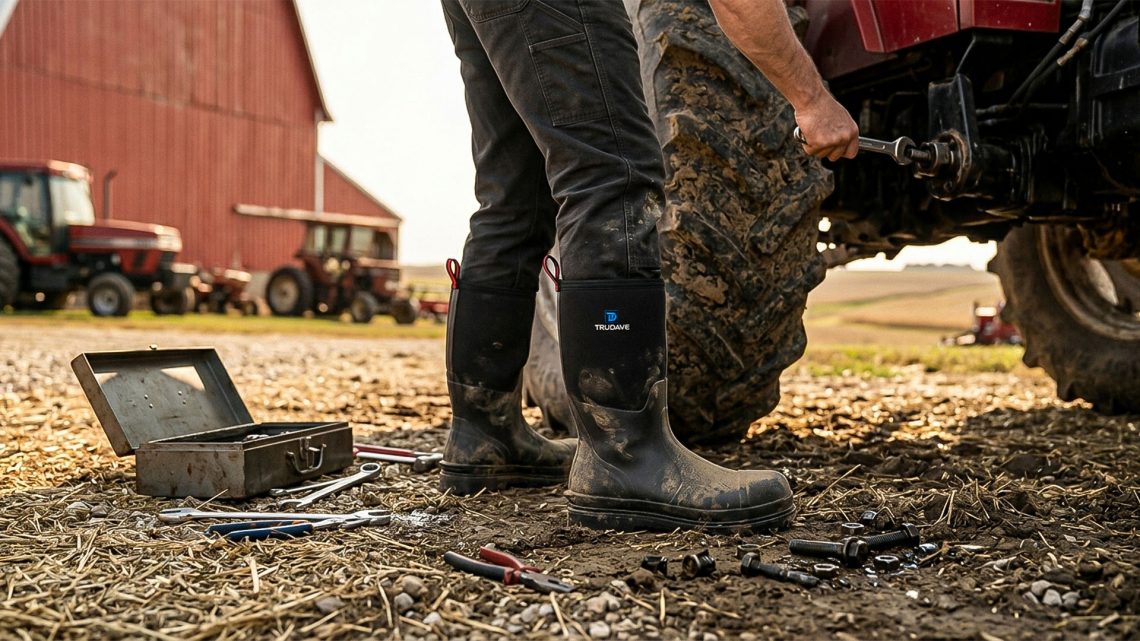
Workers comparing waterproof footwear from brands such as Trudave Gear should select boots based on the actual combination of irrigation, wet floors, potting soil, gravel, mud, loading work, and long walking shifts involved in the job.
Frequently Asked Questions
What are the best boots for greenhouse work?
The best greenhouse boots are waterproof, lightweight enough for long shifts, comfortable on concrete or gravel, securely fitted, and easy to clean after irrigation and potting work.
Are rubber boots good for greenhouse workers?
Yes. Rubber boots are especially useful for watering, washdown, irrigation repair, wet aisles, and muddy outdoor nursery work.
How tall should greenhouse boots be?
Mid-height or mid-calf boots are versatile for most greenhouse work. Tall boots are usually only necessary for heavy washdown, deep mud, or standing water.
What boots are best for wet greenhouse floors?
Waterproof boots with flexible rubber, broad outsole contact, moderate grooves, secure heel fit, and good cushioning are practical.
Are deep mud boots good for greenhouses?
Usually not for indoor growing areas. Deep tread can trap potting media and may be less comfortable on concrete.
What boots are best for plant nursery workers?
Supportive waterproof boots with mixed-surface traction, cushioning, durable outsoles, and secure heel retention work well across gravel, wet grass, soil, and greenhouse floors.
Do greenhouse workers need safety-toe boots?
Some shipping, loading, forklift, maintenance, and large-container jobs may require safety-toe footwear.
Are waterproof boots suitable for pesticide application?
Not automatically. Workers must follow the PPE requirements on the specific pesticide label.
What boots are best for greenhouse watering crews?
Lightweight waterproof mid-height boots with good wet-floor traction, flexible movement, and easy-clean uppers are practical.
How should greenhouse work boots be cleaned?
Remove soil and plant debris, clean potting mix from the tread, rinse irrigation residue, follow facility sanitation procedures, and allow the boots to dry completely.
Final Thoughts
Commercial greenhouse and nursery work combines irrigation, wet foliage, concrete aisles, gravel, potting soil, outdoor mud, loading carts, fertilizer systems, sanitation, and long walking shifts.
The best footwear depends on the employee’s actual role.
Watering crews benefit from lightweight waterproof boots with moderate shaft coverage.
Propagation and plant-care workers need more flexibility and hard-floor comfort.
Outdoor nursery crews need stronger gravel and mud capability.
Shipping workers may require additional safety protection.
Sanitation teams benefit from smooth, fully waterproof footwear that is easy to clean.
Maintenance technicians need more structured support for equipment and ladder work.
Trudave Gear offers waterproof outdoor and work footwear suited to wet floors, rain, irrigation, mud, gravel, horticulture, and demanding daily work environments.
Choosing footwear according to the actual greenhouse or nursery task can help workers stay drier, reduce fatigue, maintain better footing, and remain more comfortable from the first irrigation check in the morning to the final plant cart loaded before closing.


You May Also Like
Best Boots for Wastewater Treatment Plant Work: Footwear for Sludge, Wet Concrete, Clarifiers, and Maintenance Areas
How to Prevent Pasture Burnout During Peak Summer Heat Stress