Best Boots for Christmas Tree Farm and Harvest Work
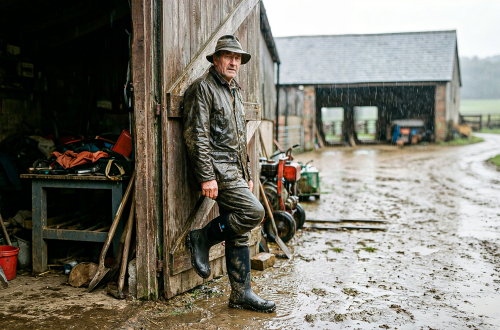
Christmas tree farms may look peaceful during the holiday season, but running one requires demanding outdoor work in some of the wettest and coldest months of the year.
Workers may begin the morning walking through dew-covered rows, cut and drag trees across muddy slopes, operate balers, load trailers, help customers move trees, repair fencing, clear snow, and finish the day working around wet gravel parking areas.
During peak harvest, footwear may encounter:
- Wet grass.
- Mud.
- Snow.
- Slush.
- Steep fields.
- Tree stumps.
- Needles.
- Sap.
- Gravel.
- Rain.
- Loading areas.
- Equipment yards.
That makes ordinary sneakers or lightweight casual rain boots a poor match for serious tree-farm work.
The best boots for Christmas tree farm workers should provide dependable waterproof protection, stable traction on slopes and mud, enough support for long walking shifts, secure heel retention, and comfort during cold, wet harvest conditions.
Christmas Tree Farming Is a Walking-Heavy Job
Unlike some agricultural operations where workers spend most of the day on machinery, Christmas tree farming often involves substantial walking.
Employees may move continuously between:
- Tree rows.
- Cutting areas.
- Customer fields.
- Parking lots.
- Baling stations.
- Loading zones.
- Equipment sheds.
A farm may cover many acres.
That makes boot weight and cushioning important.
Heavy footwear that feels acceptable for an hour can become tiring after an entire day of harvest work.
Wet Grass Is One of the Most Common Conditions
Tree farms often open early in the morning.
Grass between rows may be covered with:
- Dew.
- Frost.
- Rainwater.
- Snowmelt.
Even on a day without rain, ordinary shoes may become soaked quickly.
Waterproof boots help keep socks dry during long periods of walking through vegetation.
Why Mid-Calf Boots Work Well on Tree Farms
Mid-calf footwear provides a useful balance between:
- Water protection.
- grass coverage.
- mud resistance.
- mobility.
- weight.
They offer more protection than low waterproof shoes without the bulk of knee-high field boots.
For many tree-farm workers, this is the most versatile height.
When Tall Rubber Boots Make Sense
Knee-high rubber boots may be useful during:
- Deep mud.
- heavy rain.
- snowmelt.
- flooded low areas.
- drainage work.
However, extra shaft height adds weight.
Workers climbing hills or walking long distances may prefer shorter waterproof boots whenever conditions allow.
Tree Farms Often Have Uneven Ground
Christmas trees are commonly grown on rolling farmland.
Workers may walk across:
- Hills.
- side slopes.
- uneven soil.
- old planting holes.
- stump areas.
A secure-fitting boot provides better control than a loose oversized rubber boot.
Heel Retention Matters on Slopes
Walking uphill causes the heel to lift naturally.
If a boot is already loose, this movement becomes excessive.
That can cause:
- Blisters.
- friction.
- fatigue.
- reduced stability.
Secure heel retention is particularly important for workers carrying trees on sloped terrain.
Boots for Sidehill Walking
Workers may move sideways across hills while selecting or cutting trees.
This creates lateral pressure on footwear.
Useful features include:
- Supportive uppers.
- stable heel cups.
- secure fit.
- controlled outsole edges.
Boots for Muddy Tree Rows
Heavy customer and worker traffic can turn rows into mud quickly.
This is especially common during rainy holiday weekends.
A mud-focused outsole should provide:
- Open tread channels.
- moderate-to-deep lugs.
- defined heel edges.
- flexible rubber.
- easy soil release.
Clay Soil Can Pack Into Tread
Some tree farms have heavy clay ground.
Wet clay can fill narrow tread grooves.
Once packed, the outsole becomes heavier and less effective.
Wider channels and simpler lug patterns are easier to clean.
Boots for Sandy Tree Farms
Sandy soil behaves differently.
Deep aggressive tread may dig unnecessarily into loose ground.
Moderate tread and broad outsole contact can make walking easier.
Boots for Tree Cutting Crews
Harvest workers may use:
- Hand saws.
- Chainsaws.
- Pruning tools.
Footwear should provide stable footing during cutting.
The worker may need to kneel, crouch, and move around the tree trunk.
Flexible but supportive boots are useful.
Chainsaw Work Requires Specialized Protection
General waterproof work boots should not automatically be considered chainsaw protective footwear.
Workers operating chainsaws should use the PPE required by:
- The employer.
- Equipment procedures.
- Applicable safety standards.
Waterproofing alone does not provide cut resistance.
Boots for Hand-Saw Harvesting
Workers cutting trees with hand saws need:
- Secure footing.
- flexible forefoot movement.
- stable heel support.
Very rigid boots can make crouching uncomfortable.
Boots for Dragging Trees
After cutting, trees may be dragged to:
- Access lanes.
- Baling stations.
- Loading areas.
Workers often walk backward or sideways.
Secure footwear becomes especially important.
Tree Dragging Increases Traction Demands
Dragging a large tree creates resistance.
Workers need a stable base.
Boots should provide:
- Strong heel retention.
- adequate mud grip.
- enough lateral support.
Boots for Carrying Cut Trees
Some workers carry smaller trees manually.
The load may partially block their view of the ground.
That makes predictable footing important.
Hidden Stumps Are a Major Tree-Farm Hazard
Harvested rows may contain short stumps.
Grass or snow can hide them.
Supportive ankle construction can help workers maintain control if the foot lands unevenly.
Tree Stumps Change the Importance of Toe Protection
Workers may accidentally kick:
- Stumps.
- rocks.
- equipment.
A durable toe area is useful.
Safety-toe footwear may be appropriate for certain jobs.
Boots for Christmas Tree Baling
Baling stations may use:
- Mechanical balers.
- Twine.
- netting.
- conveyors.
- racks.
Workers may move between muddy fields and harder work surfaces.
A mixed-surface waterproof boot works well.
Boots for Mechanical Baling Equipment
Operators need precise movement around machinery.
Very bulky mud boots may feel awkward.
Moderate outsole thickness is often more practical.
Boots for Netting Stations
Workers may repeatedly:
- Lift trees.
- turn.
- step backward.
- carry netted trees.
Cushioning and secure heel fit help during repetitive handling.
Boots for Tree Shaking Equipment
Some farms mechanically shake cut trees to remove loose needles.
Workers handling trees around machines may need safety-rated footwear depending on the equipment.
Boots for Tree Loading Crews
Harvested trees may be loaded onto:
- Pickup trucks.
- trailers.
- customer vehicles.
- commercial trucks.
Workers may climb on:
- Tailgates.
- ramps.
- trailers.
Footwear should provide stable hard-surface contact.
Mud Should Be Removed Before Climbing Trailers
Deep mud packed into tread can reduce contact on:
- Metal.
- wood.
- trailer ramps.
Workers should clean heavy soil from boots whenever practical.
Boots for Pickup Bed Loading
Workers may step into truck beds repeatedly.
Suitable footwear should provide:
- Secure heel fit.
- moderate tread.
- stable step contact.
Boots for Commercial Tree Shipping
Wholesale Christmas tree farms may load large numbers of trees onto trucks.
Workers may spend hours around:
- Pallets.
- trailers.
- forklifts.
- heavy bundles.
Safety-toe footwear may be appropriate.
Boots for Forklift Operators
Forklift operators need:
- Pedal control.
- secure heel positioning.
- moderate outsole thickness.
- stable machine-step traction.
Tall rubber boots may be unnecessarily bulky.
Boots for Tractor Operators
Tree farms may use tractors for:
- Mowing.
- hauling.
- spraying.
- transport.
Operators should choose footwear that allows good pedal control.
Boots for Utility Vehicle Crews
UTVs and carts may transport:
- Workers.
- trees.
- tools.
Workers may repeatedly enter and exit vehicles.
Mid-height waterproof boots provide more mobility than tall rubber footwear.
Boots for Customer Choose-and-Cut Farms
Retail Christmas tree farms introduce another challenge.
Workers interact directly with customers.
They may help families:
- Find trees.
- cut trees.
- transport trees.
- load vehicles.
Footwear needs to be practical while still easy to clean and presentable.
Customer Areas Become Muddy Quickly
Weekend traffic can turn parking and tree-selection areas into mud.
A waterproof boot helps employees stay comfortable through long customer-facing shifts.
Boots for Tree-Farm Parking Lots
Parking areas may contain:
- Gravel.
- mud.
- grass.
- puddles.
Workers directing traffic may stand for long periods.
Cushioning becomes important.
Gravel Requires Better Underfoot Support
Thin rubber rain boots can feel uncomfortable on coarse stone.
Supportive midsoles reduce repeated impact.
Boots for Rainy Holiday Weekends
Tree farms cannot always stop operating because of rain.
Workers may spend the entire day outside.
Suitable footwear should provide:
- Reliable waterproofing.
- mud traction.
- cushioning.
- secure fit.
Boots for Snowy Christmas Tree Farms
Snow adds a seasonal challenge.
Workers may deal with:
- Powder.
- packed snow.
- slush.
- frozen ground.
Cold-weather footwear may need:
- Waterproof construction.
- moderate insulation.
- cold-flexible outsole rubber.
- thicker midsoles.
How Much Insulation Do Tree-Farm Workers Need?
The answer depends on:
- Climate.
- Activity level.
- Time outside.
- Temperature.
- Sock choice.
Workers constantly carrying trees generate more body heat than employees standing at a parking entrance.
Too Much Insulation Can Cause Sweat
Overheating can make socks damp.
Once the worker becomes less active, damp feet may feel colder.
Moderate insulation is often more versatile.
Boots for Slush
Slush creates more water exposure than dry snow.
Mid-calf waterproof boots are especially useful because they reduce the chance of moisture entering over the collar.
Boots for Frozen Mud
Mud may freeze into hard uneven ruts overnight.
Workers need:
- Stable outsole edges.
- good ankle support.
- cold-flexible rubber.
Ice Requires Separate Traction Measures
No ordinary winter work boot eliminates slipping on ice.
Tree farms may need:
- Surface treatment.
- approved traction aids.
- careful route maintenance.
Boots for Early-Season Field Work
Christmas tree farming continues long before December.
Workers may perform:
- Planting.
- mowing.
- pruning.
- fertilizing.
- weed control.
Spring and summer footwear requirements can be different from holiday harvest.
Boots for Spring Tree Planting
Spring fields may be extremely wet.
Workers may handle:
- Seedlings.
- planting tools.
- soil.
- mud.
Mid-calf waterproof boots with more open tread are practical.
Boots for Planting Crews
Workers may walk repeatedly across soft soil.
A boot should provide:
- Secure heel fit.
- moderate mud traction.
- enough forefoot flexibility for digging.
Boots for Summer Shearing Crews
Trees need regular shaping.
Shearing crews may walk long distances between rows.
Summer footwear should prioritize:
- Lower weight.
- less insulation.
- breathable socks.
- secure fit.
Boots for Pruning Work
Workers using hand tools need stable ground contact.
Heavy mud boots are usually unnecessary in dry summer conditions.
Boots for Mowing Between Tree Rows
Mowing crews may operate:
- Tractors.
- zero-turn mowers.
- brush equipment.
Pedal control matters.
Lower-profile waterproof work boots are often more practical.
Boots for Weed Control
Vegetation management may involve:
- Hand trimming.
- mowing.
- herbicide application.
Chemical work requires footwear specified by the actual product label.
Waterproof Does Not Mean Pesticide Resistant
This distinction is important.
A boot may keep rain out while being unsuitable for certain agricultural chemicals.
Workers should follow product-specific PPE requirements.
Boots for Fertilizer Application
Tree farms may apply:
- Granular fertilizer.
- liquid nutrients.
Workers should choose footwear appropriate to actual exposure.
Boots for Tree Disease Management
Plant-health workers may inspect trees for:
- Fungal problems.
- insects.
- needle loss.
They may walk long rows.
Lightweight waterproof support becomes important.
Boots for Wet Needles and Branches
Dense Christmas tree foliage can hold substantial water after rain.
Workers brushing against trees may soak lower legs even when the soil is relatively firm.
Mid-height waterproof boots offer useful additional coverage.
Tree Sap Can Get on Footwear
Sap may stick to:
- Boot uppers.
- laces.
- tread edges.
Smooth waterproof surfaces are generally easier to clean than fabric-heavy footwear.
How to Clean Tree Sap From Boots
Avoid immediately using harsh solvents.
Depending on the boot material, start with:
- Mild soap.
- Warm water.
- a soft brush.
More persistent sap should be cleaned according to the manufacturer’s care instructions.
Needles Can Collect in Tread
Fir, pine, and spruce needles may lodge inside deep outsole channels.
Moderate open tread is easier to clean.
Boots for Christmas Tree Species With Dense Branches
Dense species may transfer more:
- Water.
- needles.
- sap.
to workers during handling.
Easy-clean waterproof footwear is useful.
Boots for Wreath and Garland Production
Some tree farms also produce:
- Wreaths.
- garlands.
- greenery.
Workers may spend more time indoors on concrete.
For these employees, cushioning may matter more than deep outdoor tread.
Boots for Greenery Processing Areas
Workers may encounter:
- Wet branches.
- sap.
- needles.
- concrete floors.
A lower waterproof work boot may be more comfortable.
Boots for Equipment Maintenance
Tree farms may maintain:
- Tractors.
- saws.
- balers.
- UTVs.
- trailers.
Mechanics may need:
- Safety toes.
- oil-resistant outsoles.
- ankle support.
- waterproof construction.
Waterproof Does Not Mean Oil Resistant
Equipment work may involve:
- Fuel.
- grease.
- lubricants.
Material compatibility should be checked separately.
Boots for Chainsaw Maintenance
Workers servicing saws may encounter:
- Bar oil.
- fuel.
- sharp components.
Appropriate workshop PPE should be used.
Boots for Drainage Work
Low areas in tree farms may develop drainage problems.
Workers may clean:
- Ditches.
- culverts.
- channels.
Taller waterproof boots can be useful.
Boots for Creek Crossings
Some tree properties contain small streams.
Workers should not use standard boots in water deeper than the shaft.
Deeper crossings may require specialized equipment.
Boots for Fence Maintenance
Farm fencing may need repairs throughout the year.
Workers may encounter:
- Wire.
- posts.
- mud.
- hills.
Supportive waterproof lace-up boots work well.
Puncture Hazards Around Fences
Wire and fasteners can create puncture risks.
A thick outsole does not automatically provide certified puncture resistance.
Boots for Wind-Damaged Trees
Storms may knock down trees and branches.
Cleanup workers may encounter:
- Broken limbs.
- sharp stumps.
- wet ground.
- debris.
More protective footwear may be needed.
Boots for Storm Cleanup
Useful features may include:
- Strong uppers.
- ankle support.
- waterproof construction.
- safety protection where required.
Boots for Tree Farm Workers in Warm Climates
Not every Christmas tree farm operates in deep snow.
Workers in milder regions may deal primarily with:
- Rain.
- mud.
- wet grass.
Heavy insulation may be unnecessary.
Boots for Tree Farm Workers in Cold Climates
Northern farms may require more:
- Insulation.
- slush protection.
- cold-flexible soles.
Boot selection should reflect actual winter temperatures.
Boot Weight Matters During Harvest
Harvest workers take thousands of steps while carrying or dragging trees.
Every extra pound increases fatigue.
Choose enough protection without automatically selecting the heaviest boot.
Cushioning Matters on Long Tree Rows
Walking repeatedly across uneven soil can tire:
- Feet.
- knees.
- legs.
Supportive midsoles improve comfort.
Best Socks for Christmas Tree Farm Work
Synthetic or wool-blend socks generally perform better than cotton.
Useful features include:
- Moisture wicking.
- warmth.
- heel cushioning.
- quick drying.
Removable Insoles Are Useful
Removable footbeds allow workers to:
- Dry boots.
- replace worn cushioning.
- improve hygiene.
- adjust seasonal warmth.
Waterproof Boots Can Still Become Damp Inside
Workers carrying trees may sweat heavily even in cold weather.
Drying footwear fully between shifts remains important.
How to Clean Christmas Tree Farm Boots
A practical routine may include:
- Remove grass and needles.
- Brush mud from tread.
- Rinse soil from the outsole.
- Clean sap according to material instructions.
- Inspect for cuts.
- Remove damp insoles.
- Dry boots completely.
Mud Should Be Removed Before It Hardens
Dried mud is harder to remove and can hide tread wear.
Regular cleaning helps maintain traction.
How to Dry Tree Farm Boots
After wet work:
- Remove insoles.
- loosen or open the boots.
- allow airflow.
- use low-temperature drying when approved.
Avoid strong direct heat.
Rotating Two Pairs Can Help During Harvest Season
Peak harvest may involve consecutive wet workdays.
Using two pairs allows each pair additional drying time.
When Christmas Tree Farm Boots Should Be Replaced
Replace footwear when:
- Waterproofing fails.
- tread becomes badly worn.
- heel support collapses.
- outsole separation occurs.
- cracks develop.
- safety components are damaged.
- cushioning becomes ineffective.
Do Christmas Tree Farm Workers Need Safety-Toe Boots?
Some employees may benefit from protective toes when working around:
- Baling equipment.
- loaders.
- heavy trees.
- trailers.
- machinery.
Requirements depend on the role.
Common Mistakes When Buying Christmas Tree Farm Boots
Choosing Heavy Knee-High Boots for Every Task
Long walking shifts often benefit from lighter footwear.
Wearing Low Shoes Through Wet Grass
Feet may become soaked very early.
Buying Boots Too Loose
Hill walking and tree dragging require secure heel retention.
Choosing Deep Mud Lugs for Customer Areas
Moderate tread may be more practical around gravel, trailers, and parking lots.
Ignoring Cold Ground
Underfoot insulation matters during winter harvest.
Assuming Waterproof Means Chainsaw Protective
Cut-resistant PPE is a separate requirement.
Ignoring Sap and Needle Cleanup
Debris can accumulate in tread and around uppers.
Wearing Heavily Insulated Boots During Active Mild-Weather Work
Sweat can create its own moisture problem.
How to Choose the Best Boots for Christmas Tree Farm Work
Start with the worker’s primary duties.
For harvest crews, prioritize:
- Waterproof construction.
- secure heel retention.
- moderate mud traction.
- walking comfort.
For tree-cutting crews, prioritize:
- Stable footing.
- flexible movement.
- task-specific protective equipment where required.
For loading teams, prioritize:
- Hard-surface traction.
- durable uppers.
- safety protection where appropriate.
For customer-service field crews, prioritize:
- Waterproofing.
- cleanable construction.
- mixed-surface comfort.
For winter workers, prioritize:
- Appropriate insulation.
- slush protection.
- cold-flexible rubber.
For planting and drainage crews, prioritize:
- More mud capability.
- additional shaft height.
- easy-clean tread.
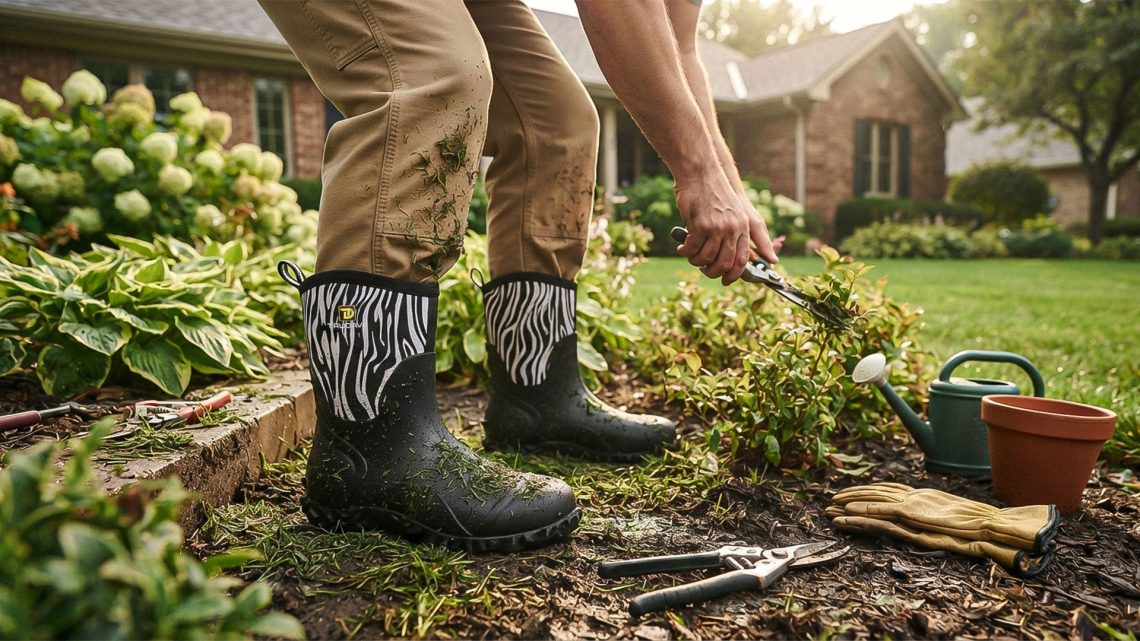
Workers comparing waterproof footwear from brands such as Trudave Gear should select boots according to the actual combination of wet grass, mud, hills, snow, tree handling, equipment work, and long walking distances involved in their job.
Frequently Asked Questions
What are the best boots for Christmas tree farm work?
The best Christmas tree farm boots are waterproof, securely fitted, supportive for long walking shifts, and equipped with traction suitable for wet grass, mud, slopes, snow, and gravel.
Are rubber boots good for Christmas tree farms?
Yes. Rubber boots are especially useful during rain, deep mud, wet grass, planting, drainage work, and snowmelt.
How tall should Christmas tree farm boots be?
Mid-calf boots are versatile for most tree-farm work. Taller boots may be useful during deep mud, standing water, and heavy snowmelt.
What boots are best for Christmas tree harvest?
Waterproof boots with secure heel retention, moderate mud traction, supportive midsoles, and manageable weight are practical.
Are deep mud boots good for tree farms?
They can be useful in very muddy fields, but lighter moderate-tread boots may be better for long walking, vehicle operation, loading, and customer areas.
Do Christmas tree farm workers need insulated boots?
Workers in cold climates often benefit from moderate insulation. The ideal amount depends on temperature and activity level.
Are waterproof boots suitable for chainsaw work?
Not automatically. Chainsaw operation may require specialized protective footwear and other PPE.
What boots are best for wet grass on tree farms?
Mid-height waterproof boots with flexible rubber, moderate tread, cushioning, and secure heel fit work well.
How do you clean tree sap from work boots?
Begin with mild soap, warm water, and material-appropriate cleaning methods. Avoid harsh solvents unless the boot manufacturer recommends them.
Do Christmas tree farm workers need safety-toe boots?
Some loading, equipment, baling, and heavy-material roles may require protective-toe footwear.
Final Thoughts
Christmas tree farming combines wet grass, mud, hills, tree cutting, dragging, loading, snow, slush, gravel, machinery, and long outdoor harvest shifts.
The best footwear depends on the worker’s actual role.
Harvest crews need waterproof boots with secure heel retention and strong walking comfort.
Cutting crews need stable footing and appropriate task-specific protection.
Loading employees may require more safety features.
Customer-facing workers benefit from waterproof footwear that is also easy to clean.
Cold-climate crews need enough insulation for winter without creating excessive heat during active work.
Trudave Gear offers waterproof outdoor and work footwear suited to wet grass, rain, mud, snow, farms, and demanding outdoor environments.
Choosing footwear according to the actual Christmas-tree-farm task can help workers stay drier, reduce fatigue, maintain better footing, and remain comfortable from the first dew-covered tree row in the morning to the final customer vehicle loaded after sunset.


You May Also Like
Best Boots for Dairy Processing and Milk Production Work
Cover Crops for Fall: Protecting and Enriching Your Garden Soil