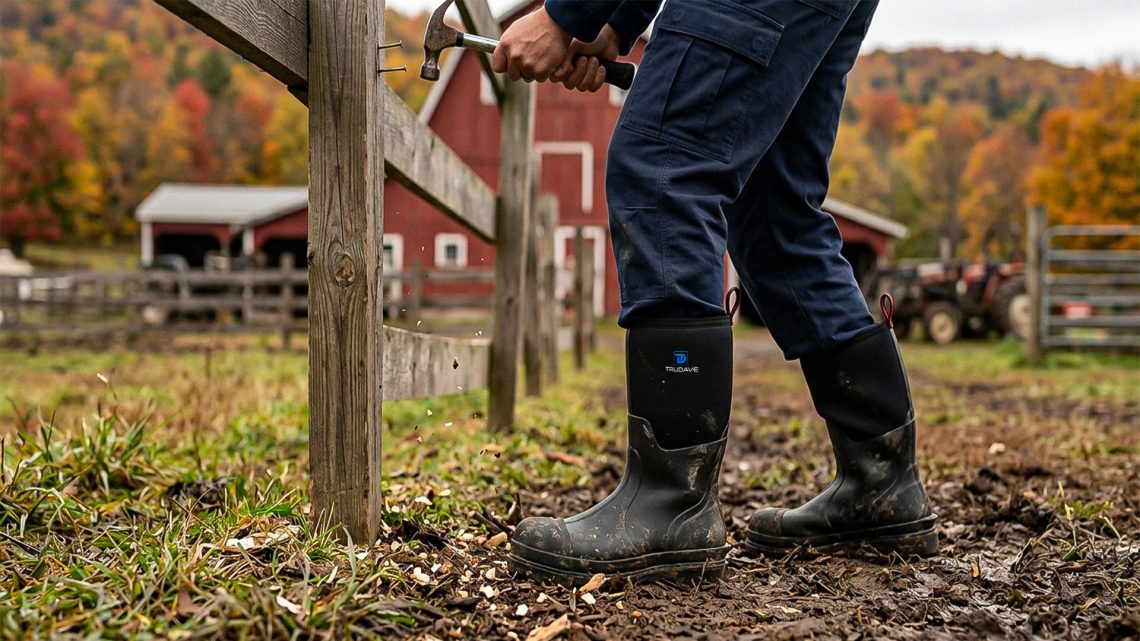
Best Boots for Golf Course Maintenance and Greenskeeping
Golf courses may look perfectly manicured to players, but maintaining that appearance requires crews to work in wet grass, mud, irrigation water, bunkers, ponds, equipment areas, and rough terrain long before the first tee time of the day.
Greenskeepers often begin work before sunrise.
At that hour, almost every section of the course may still be covered in:
- Heavy dew.
- Irrigation water.
- Wet clippings.
- Mud.
- Standing water.
- Sand.
- Damp gravel.
- Morning condensation.
A maintenance worker may begin by checking greens, repair a sprinkler leak, rake a bunker, operate a mower, inspect a pond edge, move equipment across gravel service roads, and finish the shift cleaning machinery around a wet maintenance building.
That makes footwear an important part of golf course maintenance.
The best boots for golf course work should keep feet dry without damaging turf, provide stable traction on wet grass and slopes, remain comfortable during long walking shifts, and allow good control around mowing and maintenance equipment.
Golf Course Maintenance Starts Before the Grass Is Dry
Early-morning work is standard on many golf courses.
Crews may arrive hours before players.
At that time, grass can hold a surprising amount of water.
Workers walking through:
- Greens.
- Fairways.
- Rough.
- Tee boxes.
may soak ordinary shoes in a short time.
Fully waterproof footwear helps keep socks dry throughout the morning.
Dew Can Be as Wet as Light Rain
One common mistake is assuming waterproof boots are only necessary during storms.
Dense turf can transfer large amounts of dew onto footwear and lower legs.
A worker walking several miles across wet grass may experience more sustained moisture than during a short rain shower.
Mid-height waterproof boots are especially useful.
Why Golf Course Boots Should Not Have Extremely Aggressive Tread
Golf course turf is carefully maintained.
Deep agricultural lugs may:
- Tear soft turf.
- Leave marks.
- Collect large amounts of grass.
- Feel awkward on putting surfaces.
For most greenskeeping work, workers benefit more from:
- Broad outsole contact.
- Moderate tread.
- Flexible rubber.
- Stable heel edges.
The goal is traction without unnecessary turf damage.
Boots for Putting Green Maintenance
Putting greens require especially careful movement.
Workers may perform:
- Cup changing.
- Mowing.
- Rolling.
- Moisture checks.
- Disease inspection.
Footwear should be lightweight and turf-friendly.
Heavy deep-lug boots are usually unnecessary.
Boots for Cup Changing Crews
Changing hole locations involves repeated:
- Walking.
- Bending.
- Kneeling.
Flexible waterproof boots improve comfort.
A secure heel fit also helps workers move precisely on closely cut turf.
Boots for Green Mowing Crews
Greens may be mowed with:
- Walk-behind mowers.
- Triplex mowers.
Workers need good pedal or walking control.
A lightweight waterproof boot with moderate sole thickness is practical.
Wet Grass Clippings Can Affect Traction
Fresh clippings may stick to outsole tread.
When packed into grooves, they reduce contact with the ground.
Workers should regularly remove buildup.
Boots for Fairway Maintenance
Fairway crews may cover much larger distances.
They may work with:
- Mowers.
- Fertilizer equipment.
- Sprayers.
- Utility vehicles.
Footwear should balance walking comfort with machinery control.
Boots for Fairway Mower Operators
Operators need:
- Good pedal feel.
- Secure heel positioning.
- Moderate outsole thickness.
- Stable machine-step contact.
Tall rubber boots can feel bulky during long periods of driving.
Boots for Rough Maintenance
Rough areas may contain:
- Taller grass.
- Uneven soil.
- wet vegetation.
- tree roots.
Workers need slightly stronger mixed-terrain support than on greens.
Tall Grass Can Hold Water for Hours
Rough areas may remain wet long after fairways begin to dry.
Mid-height waterproof boots help keep water from entering over the collar.
Boots for Tee Box Maintenance
Tee areas may require:
- Divot repair.
- Mowing.
- Sand filling.
- Marker movement.
Footwear should provide precise movement and good turf contact.
Boots for Divot Repair Crews
Workers may bend repeatedly while repairing damaged turf.
Forefoot flexibility matters.
Very stiff boots can become uncomfortable.
Boots for Bunker Maintenance
Sand bunkers create a completely different surface.
Workers may:
- Rake.
- Edge.
- Move sand.
- Repair washouts.
The best footwear for bunker work should provide good footing without digging too deeply into soft sand.
Deep Lugs Are Usually Unnecessary in Sand
Aggressive tread may sink more deeply and disturb bunker surfaces.
Moderate tread with broad outsole contact usually works better.
Boots for Wet Bunkers
After rain, bunker sand can become:
- Saturated.
- compacted.
- muddy around drainage areas.
Waterproof footwear becomes useful during repair work.
Boots for Bunker Rake Operators
Mechanical bunker rakes require good pedal control.
Lower-profile waterproof work boots are often more practical than tall rubber boots.
Boots for Irrigation Technicians
Golf courses rely on extensive irrigation systems.
Workers may repair:
- Sprinkler heads.
- valves.
- pipes.
- control systems.
- pumps.
These jobs frequently create localized mud and standing water.
Mid-calf waterproof boots are especially practical.
Irrigation Leaks Can Turn Turf Into Deep Mud
A broken irrigation line can saturate soil below the surface.
The grass may look firm while the ground underneath is very soft.
Secure heel retention helps prevent boots from being pulled loose.
Boots for Sprinkler Head Repairs
Workers may need to kneel or dig around:
- Greens.
- Fairways.
- Tee areas.
Flexible waterproof boots are useful.
Boots for Irrigation Valve Boxes
Valve boxes may collect:
- Water.
- Mud.
- grass debris.
Workers servicing them benefit from footwear that is easy to rinse.
Boots for Pump Station Maintenance
Pump houses may contain:
- Concrete.
- Water.
- Mechanical equipment.
- Electrical systems.
Maintenance workers often need more structured footwear than field crews.
Waterproof Does Not Mean Electrical Protection
Golf course pump systems may involve electrical equipment.
Waterproof footwear is not automatically electrically protective.
Workers should use footwear appropriate to the actual electrical hazard.
Boots for Pond and Lake Maintenance
Many golf courses include:
- Ponds.
- Streams.
- Drainage lakes.
- Decorative water features.
Workers may inspect:
- Banks.
- Pumps.
- Aerators.
- Drainage structures.
Waterproof boots with secure lateral support are useful.
Pond Banks Can Be Slippery
Sloped banks may contain:
- Wet grass.
- Mud.
- Algae.
- Soft soil.
Workers should prioritize stable heel support and controlled tread.
Boots for Aerator Maintenance
Pond aerators may require workers to handle:
- Cables.
- Equipment.
- Wet shoreline areas.
Footwear should remain stable on muddy banks.
Boots for Drainage Ditch Work
Golf courses often contain drainage systems that are invisible to players.
Workers may maintain:
- Ditches.
- Culverts.
- Catch basins.
- Drain tiles.
These tasks may require more mud capability and additional shaft height.
Boots for Culvert Cleaning
Workers may encounter:
- Standing water.
- Mud.
- Leaves.
- Gravel.
Mid-calf or taller rubber boots can be useful.
Boots for Stormwater Repair
Heavy rain may wash out:
- Bunker edges.
- Cart paths.
- Drainage areas.
- Turf.
Storm-response crews often need more rugged waterproof footwear.
Boots for Cart Path Maintenance
Golf cart paths may be made from:
- Asphalt.
- Concrete.
- Gravel.
Workers repairing them spend more time on hard surfaces.
Cushioning becomes important.
Gravel Cart Paths Can Be Hard on Thin Soles
Thin recreational rain boots may transfer sharp stone pressure directly to the foot.
Supportive midsoles improve comfort.
Boots for Golf Cart Maintenance Areas
Workers servicing carts may encounter:
- Concrete.
- Water.
- Oil.
- Grease.
Maintenance technicians may need footwear with additional industrial properties.
Waterproof Does Not Mean Oil Resistant
Workshop employees should verify resistance to:
- Lubricants.
- grease.
- fuel.
Boots for Course Equipment Mechanics
Golf course maintenance shops may repair:
- Mowers.
- Tractors.
- Utility vehicles.
- Sprayers.
Workers may need:
- Safety toes.
- ankle support.
- oil-resistant outsoles.
- waterproof construction.
Boots for Mower Washing
Course equipment is often cleaned after use.
Wash areas may have:
- Water.
- Grass.
- Mud.
- Concrete.
Fully waterproof easy-clean boots work well.
Wet Grass Around Wash Racks Can Be Slippery
Grass clippings mixed with water can form a slick layer.
Workers should clean both floors and boot tread.
Boots for Utility Vehicle Operators
Greenskeepers may use:
- Golf carts.
- UTVs.
- Small trucks.
Footwear should allow:
- Pedal control.
- Easy entry.
- Secure heel position.
Tall heavy boots can be less convenient.
Boots for Tractor Operators
Tractors may be used for:
- Aeration.
- Topdressing.
- Fertilizing.
- Mowing.
Moderate outsole thickness helps maintain pedal feel.
Boots for Aeration Crews
Course aeration may involve:
- Heavy machinery.
- Soil cores.
- Wet turf.
Workers may move around equipment all day.
Supportive waterproof work boots are practical.
Boots for Core Cleanup
After aeration, workers may collect or break up soil cores.
This may involve long walking routes.
Boot weight matters.
Boots for Topdressing Crews
Sand is often applied to greens and fairways.
Workers may handle:
- Spreaders.
- Sand piles.
- Equipment.
Moderate tread is usually better than aggressive field lugs.
Boots for Fertilizer Application
Golf course crews may apply:
- Granular fertilizer.
- Liquid nutrients.
Footwear should match the PPE requirements for the actual product.
Waterproof Does Not Mean Fertilizer or Chemical Resistant
General waterproof boots should not automatically be used for every chemical application.
Workers should follow:
- Product labels.
- Employer procedures.
- Safety guidance.
Boots for Pesticide and Fungicide Work
Golf turf management may involve:
- Fungicides.
- Herbicides.
- Insecticides.
The correct footwear depends on the specific product.
Boots for Spray-Technician Work
Spray technicians may spend much of the day operating:
- Spray rigs.
- Utility vehicles.
They need footwear that provides:
- Pedal control.
- Secure fit.
- Weather protection.
Chemical PPE requirements take priority.
Boots for Tree Maintenance
Golf courses often contain mature trees.
Grounds crews may work around:
- Roots.
- Branches.
- Leaf debris.
- Slopes.
Supportive waterproof lace-up boots work well.
Boots for Branch Cleanup
Storms may leave:
- Limbs.
- sticks.
- wet leaves.
More protective footwear may be appropriate.
Chainsaw Work Requires Specialized PPE
General waterproof boots should not automatically be treated as chainsaw-protective footwear.
Workers should use appropriate task-specific protection.
Boots for Wet Leaves
Autumn leaves can become slippery on:
- Grass.
- Cart paths.
- Stone.
No ordinary outsole eliminates the risk.
Regular cleanup remains essential.
Boots for Leaf-Blower Crews
Leaf-blower workers may walk several miles.
Lightweight waterproof footwear reduces fatigue.
Boots for Course Landscaping
Courses may maintain:
- Flower beds.
- Shrubs.
- Decorative plantings.
Workers may encounter:
- Mulch.
- Irrigation.
- Wet soil.
Moderate waterproof work boots are usually sufficient.
Boots for Mulch Work
Deep tread can trap bark and mulch.
Simple outsole channels are easier to clean.
Boots for Tournament Setup
Before tournaments, workers may install:
- Signs.
- Ropes.
- Stakes.
- Grandstand support items.
- Course markers.
They may begin before sunrise in heavy dew.
Waterproof footwear becomes especially useful.
Boots for Rope and Stake Crews
Workers may carry equipment across:
- Wet grass.
- Slopes.
- Gravel.
Supportive midsoles and moderate traction are practical.
Boots for Spectator Area Maintenance
Large events may create additional traffic and turf damage.
Grounds crews may work in:
- Mud.
- Temporary walkways.
- Parking zones.
More rugged waterproof footwear may be needed.
Boots for Rainy Tournament Days
Golf events do not always stop immediately when rain starts.
Maintenance teams may need to:
- Squeegee greens.
- inspect drainage.
- repair bunkers.
- move equipment.
Mid-calf waterproof boots are especially useful.
Boots for Green Squeegee Crews
Workers may spend hours on wet turf.
Lightweight waterproof boots with broad turf contact work well.
Boots for Bunker Washout Repair
Heavy rain may move sand.
Workers may shovel and rake wet material.
Supportive midsoles help with repetitive shovel use.
Boots for Lightning-Delay Cleanup
After severe storms, crews may inspect:
- Trees.
- Flooded areas.
- debris.
Site safety procedures should come first before entering damaged areas.
Boots for Winter Golf Course Work
Courses in cold climates may still require maintenance during winter.
Workers may deal with:
- Snow.
- Slush.
- Frozen turf.
- Equipment storage.
Waterproof insulated boots may be useful.
Boots for Snow Removal
Some courses clear:
- Clubhouse paths.
- Maintenance roads.
- Parking lots.
Workers may need cold-flexible outsole rubber and moderate insulation.
Ice Requires Separate Traction Controls
No normal work boot completely eliminates ice hazards.
Approved traction devices may be needed.
Boots for Spring Course Opening
Spring is often one of the wettest times of year.
Workers may repair:
- Winter damage.
- Irrigation.
- Drainage.
- Bunkers.
Mid-calf waterproof boots are particularly useful.
Boots for Summer Greenskeeping
Summer brings:
- Heat.
- Irrigation.
- Early mornings.
Heavy insulated boots are unnecessary.
Workers should prioritize:
- Lightweight construction.
- Uninsulated uppers.
- Moisture-wicking socks.
Waterproof Boots Can Still Become Damp From Sweat
Summer greenskeepers may stay dry from outside moisture while perspiration builds inside.
Daily drying remains important.
Best Socks for Golf Course Workers
Synthetic and wool-blend socks generally perform better than cotton.
Useful features include:
- Moisture wicking.
- Quick drying.
- Heel cushioning.
- Secure fit.
Boot Weight Matters Across 18 Holes
Golf courses cover large areas.
Workers may walk many miles.
Heavy footwear increases fatigue.
Choose enough protection without unnecessary bulk.
Cushioning Matters More Than Many Workers Expect
Even though much of the course is grass, crews also spend time on:
- Gravel.
- Concrete.
- Cart paths.
Supportive midsoles help across all surfaces.
Heel Fit Matters on Slopes
Golf courses often contain rolling terrain.
Secure heel retention improves stability on:
- Hills.
- Banks.
- Bunker edges.
Toe Flexibility Helps With Kneeling and Turf Work
Greenskeepers often:
- Kneel.
- Crouch.
- Bend.
- Repair turf.
A flexible forefoot improves comfort.
Removable Insoles Make Daily Drying Easier
Removable footbeds allow workers to:
- Dry boots.
- Replace cushioning.
- Improve hygiene.
- Adjust support.
Easy-Clean Construction Is Useful
Golf course boots may collect:
- Grass.
- Mud.
- Sand.
- Fertilizer residue.
- Leaves.
Smooth waterproof uppers simplify cleaning.
How to Clean Golf Course Work Boots
A practical routine may include:
- Remove grass clippings.
- Brush mud and sand from tread.
- Rinse irrigation residue.
- Follow product-specific cleaning procedures after chemical exposure.
- Inspect the outsole.
- Remove damp insoles.
- Allow boots to dry completely.
Grass Should Be Removed From Tread Regularly
Wet clippings can become packed into outsole channels.
Keeping tread clean improves traction on cart paths and equipment.
Sand Can Wear Boot Components
Bunker sand may work into:
- Tread.
- Seams.
- Hardware.
Regular cleaning reduces abrasive buildup.
How to Dry Greenskeeper Boots
After wet work:
- Remove insoles.
- Open the boots fully.
- Allow airflow.
- Use low-temperature drying if approved.
Avoid excessive direct heat.
Rotating Two Pairs Can Help Early-Morning Crews
Greenskeepers may work on wet turf every day.
Alternating footwear gives each pair more time to dry.
When Golf Course Work Boots Should Be Replaced
Replace footwear when:
- Waterproofing repeatedly fails.
- Tread becomes rounded.
- Heel support collapses.
- Outsole separation appears.
- Cracks develop.
- Chemical damage occurs.
- Cushioning becomes ineffective.
Do Golf Course Workers Need Safety-Toe Boots?
Some roles may require protective toes around:
- Mowers.
- Tractors.
- Heavy equipment.
- Maintenance shops.
- Pallets.
Routine greenskeeping duties may have different requirements.
Puncture Hazards on Golf Courses
Workers may encounter:
- Stakes.
- Wire.
- Broken equipment parts.
- Maintenance debris.
A thick outsole is not automatically puncture resistant.
Common Mistakes When Buying Golf Course Boots
Choosing Deep Agricultural Lugs for Greenskeeping
Aggressive tread may damage delicate turf.
Wearing Low Shoes Through Morning Dew
Feet can become soaked before the course opens.
Buying Cheap Rain Boots for Long Course Walks
They may lack enough cushioning.
Choosing Boots Too Heavy for Mowing and Walking Crews
Weight adds fatigue across large properties.
Wearing Loose Boots on Golf Course Slopes
Secure heel fit improves stability.
Ignoring Equipment Pedal Control
Tall bulky boots may be inconvenient for mower and UTV operators.
Assuming Waterproof Means Chemical Resistant
Golf course treatments may require specific PPE.
Failing to Remove Grass From Tread
Packed clippings can reduce hard-surface traction.
How to Choose the Best Boots for Golf Course Maintenance
Start with the worker’s primary duties.
For greens crews, prioritize:
- Lightweight waterproof construction.
- Turf-friendly moderate tread.
- Flexible movement.
- Cushioning.
For irrigation technicians, prioritize:
- More shaft coverage.
- Mud traction.
- Secure heel fit.
- Easy cleaning.
For mower operators, prioritize:
- Pedal control.
- Moderate outsole thickness.
- Waterproof protection.
For bunker crews, prioritize:
- Broad outsole contact.
- Flexible movement.
- Supportive midsoles.
For pond and drainage workers, prioritize:
- More waterproof coverage.
- Slope stability.
- Mud-release tread.
For equipment mechanics, prioritize:
- Safety protection.
- Oil resistance where required.
- Hard-floor cushioning.
Workers comparing waterproof footwear from brands such as Trudave Gear should choose boots according to the actual combination of wet grass, irrigation, slopes, sand, machinery, mud, and long walking distances involved in their golf course job.
Frequently Asked Questions
What are the best boots for golf course maintenance?
The best golf course maintenance boots are waterproof, lightweight enough for long walking shifts, supportive on slopes, and equipped with moderate turf-friendly tread.
Are rubber boots good for greenskeepers?
Yes. Rubber boots are especially useful for irrigation repair, rainy mornings, muddy rough areas, pond maintenance, and wet spring conditions.
How tall should golf course work boots be?
Mid-height or mid-calf boots are versatile for most maintenance tasks. Taller boots may be useful for drainage, pond edges, and deep mud.
What boots are best for wet golf course grass?
Lightweight waterproof boots with flexible rubber, broad outsole contact, secure heel support, and moderate tread are practical.
Are deep mud boots good for golf courses?
Usually not for routine greenskeeping. Aggressive tread may disturb carefully maintained turf and feel awkward on mowers and cart paths.
What boots are best for irrigation technicians?
Waterproof mid-calf boots with good mud traction, secure heel retention, flexible movement, and easy-clean uppers work well.
Do golf course workers need safety-toe boots?
Some mechanics, heavy-equipment operators, maintenance-shop employees, and material-handling workers may require safety-toe footwear.
Are waterproof boots suitable for pesticide or fertilizer work?
Not automatically. Workers should follow PPE requirements for the specific product being used.
What boots are best for bunker maintenance?
Waterproof boots with moderate tread, broad outsole contact, flexible forefoot movement, and good cushioning are practical.
How should greenskeeper boots be cleaned?
Remove grass, mud, sand, and debris, rinse the outsole, follow product-specific cleaning procedures after chemical exposure, and allow the boots to dry completely.
Final Thoughts
Golf course maintenance combines morning dew, wet grass, irrigation repairs, bunker sand, pond edges, slopes, mowing, equipment operation, drainage, rain, and long walking routes across large properties.
The best footwear depends on the employee’s role.
Greens crews need lightweight waterproof boots with turf-friendly tread.
Irrigation technicians benefit from additional shaft coverage and stronger mud performance.
Bunker crews need flexible footwear that works well in sand.
Mower operators need reliable pedal control.
Pond and drainage workers may need taller waterproof boots.
Maintenance mechanics often need more structured safety footwear.
Trudave Gear offers waterproof outdoor and work footwear suited to wet grass, rain, mud, landscaping, groundskeeping, and demanding outdoor maintenance.
Choosing footwear according to the actual golf-course task can help workers stay drier, reduce fatigue, maintain better footing, and remain more comfortable from the first dew-covered green inspection before sunrise to the final equipment cleanup after the last mower returns to the maintenance shop.


You May Also Like

Gardener’s Patience: Why Waiting for Warm Soil Pays Off
Feeding Livestock in Winter: Adjusting Diets for Cold-Weather Health