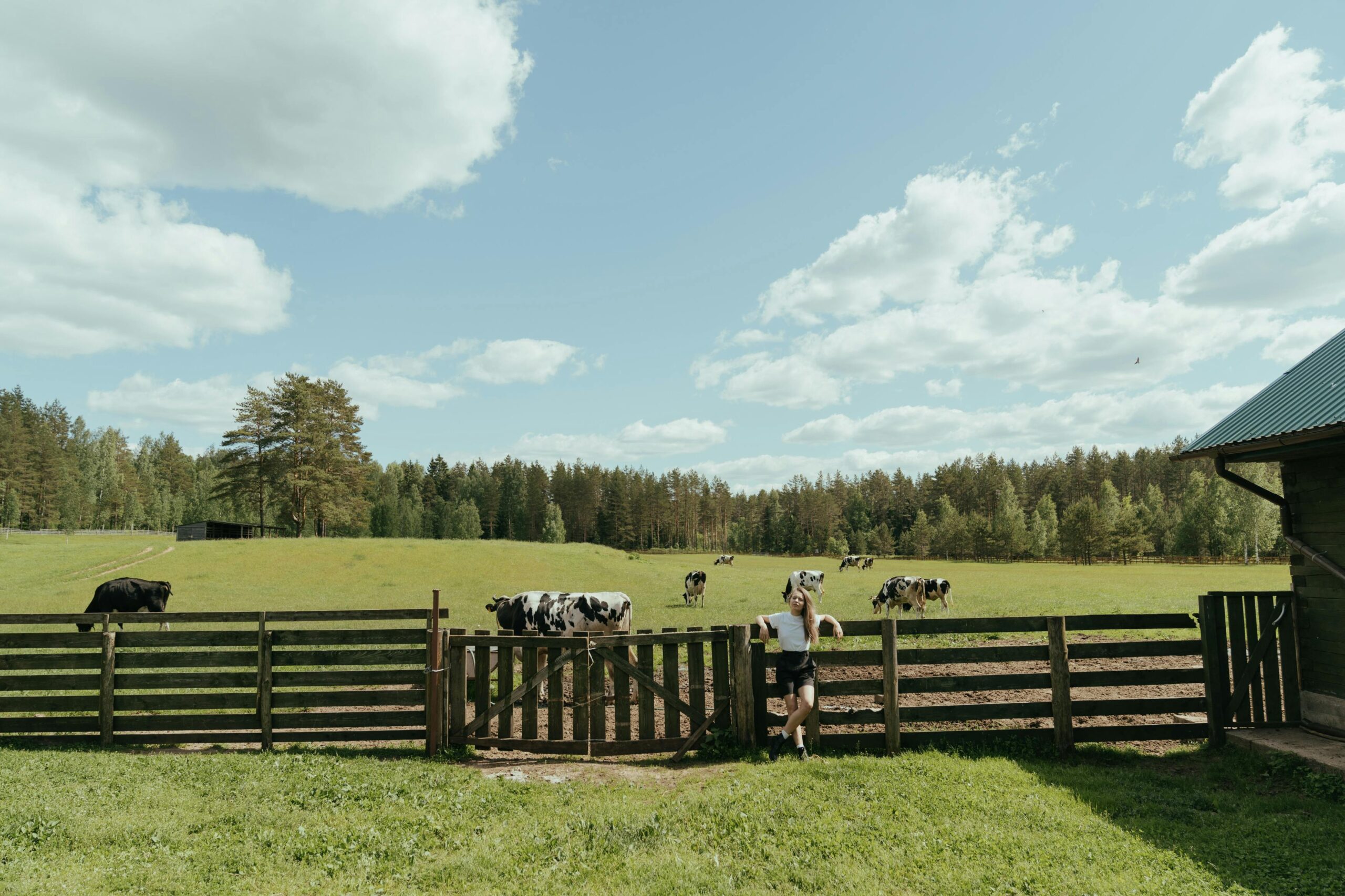
The Changing Seasons: A Comprehensive Guide to Annual Ranch Management
Managing a ranch is a year-round endeavor that requires attentiveness to every season’s unique challenges and opportunities. The success of a ranch depends not only on the quality of the land and livestock but also on the ability of ranchers to adapt to the shifting rhythms of the seasons. From the first breath of spring to the quiet fall harvest, each season offers its own demands—and rewards. Whether you’re overseeing cattle, sheep, horses, or crops, effective ranch management relies on thoughtful planning and action throughout the year.
In this guide, we’ll walk through the key tasks and strategies for managing your ranch through all four seasons. Each chapter of the year brings new responsibilities, and understanding how to navigate these changes will help ensure the health of your animals, the productivity of your land, and the sustainability of your operations for years to come.
Winter: Planning, Protection, and Preparation
Winter is a time of dormancy for much of the natural world, but it’s a critical season for ranchers to prepare for the upcoming year. In colder climates, winter also poses unique challenges that require careful attention to your livestock, equipment, and pastures.
1. Livestock Care:
- Winter Grazing: While grass is dormant during the winter months, livestock still need proper nutrition. If pasture quality is poor, supplement their diet with hay, silage, or grain to maintain body condition. Ensure that animals have access to fresh, unfrozen water and that they’re protected from harsh winds and extreme cold.
- Health Checks: Winter can be tough on livestock, so regular health checks are important. Watch for signs of frostbite, particularly in animals with thinner coats, and monitor for respiratory illnesses, as cold, damp conditions can lead to pneumonia and other infections.
- Shelter and Housing: Ensure that your barn or shelter is windproof and dry. Consider adding straw bedding for warmth and comfort. Proper ventilation is also key—too much humidity in a barn can cause respiratory problems for livestock.
2. Equipment and Infrastructure:
- Winterizing Equipment: Take time to inspect and service your equipment for winter use. Oil changes, battery checks, and the clearing of snow and ice from machinery are essential to prevent breakdowns when you need them most. Make sure your fences are intact and that your barns and gates are secure against wind and snow.
- Feed Storage: Store hay, grain, and other feed properly to avoid spoilage. Ensure that feed bins are kept dry and rodent-free.
3. Planning for Spring:
- Seed Orders and Fertilization Plans: Use winter’s downtime to research and order seeds for the coming planting season. This is also the time to plan your fertilization schedule for crops or pastures. Test your soil to see if it needs lime or other nutrients before planting begins.
- Review Breeding Programs: Winter is an excellent time to evaluate your livestock breeding program. Assess the health and genetic traits of your herd or flock and plan for the next breeding season to improve productivity.
Spring: Renewal, Growth, and Expansion
Spring is synonymous with new beginnings. It’s a time of rebirth, with fields turning green, flowers blooming, and new life in your herd or flock. Ranchers must focus on breeding, planting, and ensuring that their operations are running smoothly after the hardships of winter.
1. Livestock Management:
- Calving, Lambing, and Foaling: Spring is the peak season for birthing on many ranches. Make sure your animals have clean, dry areas to give birth and that you are prepared to assist with deliveries if necessary. Have your vet on standby for any complications.
- Health Monitoring: As animals are born, monitoring their health becomes even more important. Keep a close eye on the newborns to make sure they are nursing and getting the nutrients they need. Schedule vaccinations, deworming, and other health treatments for both adult animals and their offspring.
- Pasture Rotation: As grass begins to grow, begin rotating your herds through different pastures to prevent overgrazing. Maintaining the health of your pasturelands is essential to the long-term sustainability of your operation.
2. Crop and Pasture Management:
- Soil Preparation and Planting: Spring is the time to begin planting crops and re-seeding pastures. Before planting, it’s important to prepare the soil by tilling and applying any necessary fertilizers or amendments. Plant your crops as early as the weather allows, being mindful of local growing seasons.
- Irrigation Systems: Ensure your irrigation systems are up and running for the growing season. Spring rains are often unpredictable, so supplemental watering may be necessary to establish strong crop growth.
- Weed and Pest Management: Start keeping an eye on emerging weeds and pests that can damage crops or pastures. Organic or chemical solutions should be applied early in the growing season to prevent infestations from taking hold.
3. Equipment Maintenance:
- Farm and Ranch Machinery: Spring is a time to use your equipment heavily, so make sure everything is ready for the demands of the growing season. This is the time to replace worn-out parts, change oil, and service your tractors, mowers, and irrigation systems.
Summer: Productivity, Maintenance, and Care
As the days lengthen and the sun shines brightly, summer represents the peak of activity on the ranch. Livestock need extra care during this hot, dry time, and the work of planting, cultivating, and maintaining pastures and crops intensifies.
1. Livestock Care:
- Heat Stress Management: Animals are more vulnerable to heat stress during the summer months. Make sure they have plenty of access to fresh, cool water and shaded areas where they can rest. Consider using fans or misting systems in barns to reduce heat.
- Fly Control: Flies and other pests can be a major problem during the summer. Use fly control measures such as fly traps, sprays, or livestock ear tags to help reduce fly populations.
- Supplemental Feeding: As pastures begin to dry up, consider supplementing your livestock’s diet with protein and energy sources to maintain their health and productivity.
2. Crop and Pasture Management:
- Irrigation and Watering: During hot, dry summers, water management becomes crucial. Keep a close eye on the moisture levels in your soil, adjusting your irrigation schedules accordingly to prevent crops from drying out.
- Hay Production: If you rely on hay as a primary feed source, summer is the time to harvest and store it. Cut and bale hay early in the season before it matures too much, as early-cut hay has higher nutritional value.
- Weed and Pest Control: Continue to monitor your crops and pastures for weeds and pests. Use selective herbicides and pesticides to protect your plants and reduce competition for nutrients and water.
3. Equipment and Infrastructure Maintenance:
- Routine Maintenance: Summer’s increased demands mean it’s important to stay on top of routine maintenance for all equipment, from irrigation pumps to tractors and trucks. Clean your equipment regularly to prevent dirt and debris from causing long-term damage.
- Fence Checks: High summer winds and rainstorms can weaken fences. Ensure all perimeter and cross-fencing is intact to keep livestock in and predators out.
Fall: Harvest, Reflection, and Preparation for Winter
As the year winds down and the weather cools, fall is a time of reflection, harvesting, and preparing for the colder months ahead. It’s also a time to evaluate the progress made throughout the year and set goals for the next.
1. Livestock Management:
- Weaning and Weighing: Fall is often the time to wean calves, lambs, or other young livestock. Weaning is a critical process for their health and growth. Weighing the animals will help you track their growth and overall health.
- Vaccination and Health Checks: Fall is a good time to schedule health checks and vaccinations before the cold of winter sets in. Ensure that your animals are in peak condition for the harsh months ahead.
2. Crop Harvest and Storage:
- Harvesting: Fall is the time to harvest most crops, including grains, fruits, and vegetables. Plan your harvest strategy carefully to avoid crop losses from frost or poor weather conditions.
- Storage: Once harvested, it’s important to store your crops properly. Use dry, cool, and well-ventilated storage areas to prevent spoilage and pests.
- Pasture Recovery: After a busy summer, pastures may need time to recover. Rotate your livestock off certain areas to allow the grass to regrow before winter.
3. Winter Preparations:
- Feed Inventory: Begin stocking up on hay, grain, and other feed for the winter months. Ensure that all feed is properly stored to prevent spoilage from moisture or pests.
- Winterizing Equipment: Take the time to prepare your equipment for winter. Drain and clean irrigation systems, perform seasonal maintenance on tractors, and get your heating systems ready for the cold months ahead.
Conclusion: The Ongoing Cycle of Ranch Management
Ranching is a constant cycle of work and reflection, with each season bringing its own set of tasks and challenges. By understanding the needs of your livestock, crops, and land throughout the year, you can create a sustainable, thriving operation that adapts to the rhythms of nature. The key to successful ranch management is foresight, preparation, and adaptability. Whether you’re tending to the health of your herd in the winter, planting crops in the spring, managing pastures in the summer, or harvesting in the fall, each season offers new opportunities for growth and improvement. With dedication and careful planning, your ranch will continue to thrive through the changing seasons.
