Pastures and Water Sources: The Cornerstones of Ranch Ecosystems
In the world of ranching, the balance between pastures and water sources is the foundation upon which sustainable and successful operations are built. These two elements are intrinsically connected, forming the backbone of any healthy ranch ecosystem. The quality of your pasturelands directly influences the health and productivity of your livestock, while access to clean, abundant water is essential for both animals and crops. Whether you’re managing a cattle ranch, sheep farm, or any other livestock operation, understanding the symbiotic relationship between pastures and water is crucial to maintaining the long-term vitality of your ranch.
In this article, we will explore the vital roles that pastures and water sources play in ranch ecosystems, delve into strategies for managing these resources effectively, and discuss how both can be improved and maintained to ensure the sustainability of your operation.
The Vital Role of Pastures in Ranching
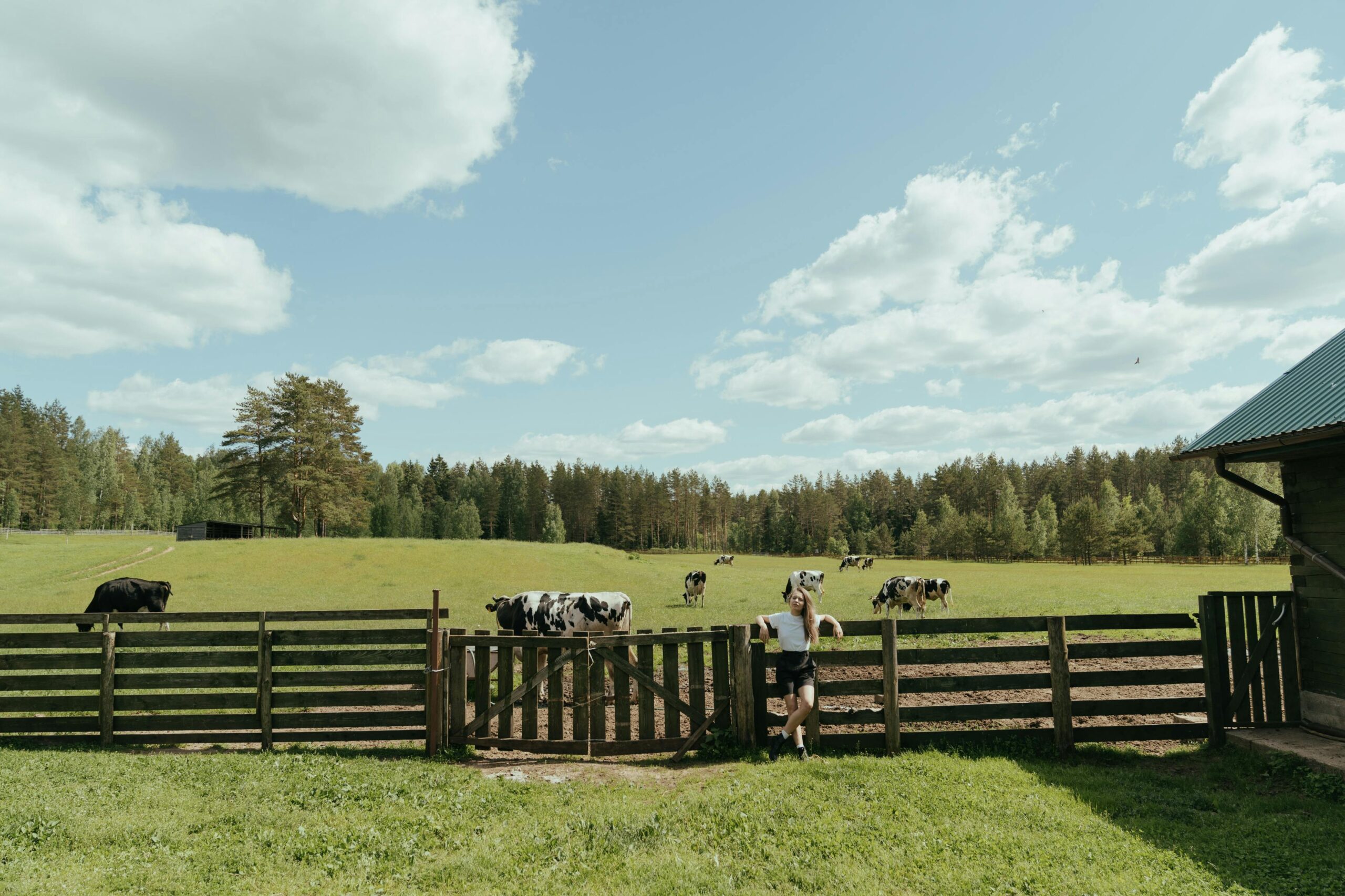
Pastures are more than just fields where animals graze—they are living ecosystems that require careful management to ensure the health of both the land and the livestock that depend on it. A well-managed pasture supports healthy soil, provides abundant forage for animals, and helps maintain the overall biodiversity of the ranch.
1. Soil Health and Grass Management: At the heart of every pasture is the soil. Healthy, fertile soil is the foundation of good pasture management. Without it, even the most nutritious grass will not grow effectively. Pastures with poor soil quality can lead to erosion, diminished forage production, and a reduced ability to retain water.
Effective grassland management includes rotating grazing areas, monitoring soil health, and implementing sustainable practices such as proper fertilization, aeration, and soil testing. Grazing rotations allow for periods of rest and recovery, preventing overgrazing and promoting the regrowth of nutritious grasses. By managing grazing effectively, you also support the soil’s ability to regenerate and thrive.
2. Forage Varieties and Nutritional Value: The grasses and plants that make up a pasture are the primary food source for your livestock. Ensuring that your pastures are rich in diverse and nutritious forage is key to maintaining healthy animals and reducing the need for supplemental feed. Native grasses are often more resilient to local climate conditions, but adding a variety of grass and legume species can improve the pasture’s overall productivity and nutritional value.
For example, legumes like clover can fix nitrogen into the soil, which naturally fertilizes the land and improves its long-term health. Additionally, these legumes provide valuable protein for grazing animals. Regularly assessing pasture conditions and reseeding where necessary ensures that your forage remains rich and varied, providing year-round nutrition for your herd.
3. Preventing Overgrazing and Soil Erosion: Overgrazing occurs when livestock consume forage faster than it can regenerate, leading to soil compaction, erosion, and reduced plant diversity. It’s vital to keep grazing pressure balanced with the pasture’s capacity to regenerate. Implementing rotational grazing systems, where livestock are moved between different grazing areas, helps maintain pasture health by giving each area time to recover.
Erosion is another concern, particularly on slopes or in areas with heavy rainfall. Pastures with dense vegetation and deep-rooted grasses are better at holding soil in place. In areas where erosion is a risk, planting cover crops or installing erosion control methods like riparian buffers or windbreaks can help protect the soil and prevent long-term damage.
Water Sources: The Lifeblood of the Ranch
Water is the most critical resource on any ranch. Animals cannot survive without it, and crops and pasturelands cannot flourish without consistent irrigation. Managing water sources effectively is not only a matter of ensuring there is enough water for the livestock but also of preserving the quality and availability of water for future generations.
1. Providing Clean, Accessible Water for Livestock: Livestock need clean, fresh water every day to stay healthy. Dehydration can lead to poor weight gain, reduced milk production, and other health issues. It’s essential that your animals have easy access to water, especially in hot weather, when their water consumption increases significantly.
Water troughs, tanks, and automatic watering systems should be checked regularly to ensure they’re clean and free from debris or contamination. In addition, water sources should be strategically placed in pastures so that animals don’t have to travel too far, reducing stress and ensuring they drink enough to stay hydrated.
2. Managing Natural Water Sources: Many ranches rely on natural water sources like rivers, streams, ponds, and wells to supply water to livestock. These sources must be carefully managed to avoid depletion or contamination. Overuse of natural water sources can result in dried-up wells or lower stream flows, especially during times of drought.
One important strategy for managing natural water sources is to implement rotational watering systems. This allows you to control which animals have access to specific water sources, ensuring that water levels remain stable. Fencing around water sources can also prevent livestock from accessing streams or ponds directly, which can lead to erosion and pollution from waste.
3. Water Conservation and Efficiency: Water conservation is an increasing concern in many areas, particularly in regions prone to drought or with limited freshwater resources. Installing water-efficient irrigation systems, such as drip or sprinkler systems, can reduce water wastage in pastures and crops. These systems target the roots of plants directly, minimizing evaporation and runoff.
Rainwater harvesting is another strategy for conserving water. Collecting rainwater in large storage tanks can help supplement your water supply during dry periods and reduce dependence on natural sources.
4. Protecting Water Quality: The quality of water sources is just as important as the quantity. Contaminated water can lead to a host of health problems for both animals and humans. It’s vital to prevent livestock from polluting water sources by creating buffer zones with vegetation or fencing. These buffers can help filter out contaminants before they reach the water.
Regular testing of water sources for pathogens, bacteria, and pollutants can ensure that water is safe for both animals and crops. If necessary, water filtration or purification systems can be installed to improve water quality.
The Synergy Between Pastures and Water Sources
The relationship between pastures and water sources is interconnected. Healthy, productive pastures retain moisture better, reduce runoff, and provide better grazing for livestock. Similarly, properly managed water sources ensure that your animals stay hydrated, and crops and pastures receive the moisture they need to thrive.
Efficient water management directly impacts the health of your pasturelands. When pastures receive enough water, they grow lush and provide adequate forage for livestock. On the other hand, overgrazed or degraded pastures can increase water runoff, reduce soil moisture retention, and lead to poor water quality.
1. Integrated Land and Water Management: A holistic approach to land and water management is essential for long-term ranch sustainability. This involves looking at your entire ranch system—from soil and grass health to water quality and availability—and developing a comprehensive plan that addresses all aspects of your ranch ecosystem.
Rotational grazing, strategic placement of water sources, rainwater harvesting, and the use of soil conservation practices all work together to create a balanced and sustainable ranching system. A well-maintained pasture, with adequate water, results in healthier animals, improved productivity, and a more resilient ranch.
Conclusion: Stewardship for the Future
Pastures and water sources are the two key elements that sustain a healthy, productive ranch. Both require careful stewardship, ongoing monitoring, and proactive management to ensure the land remains fertile and the water clean. By managing pastures with a focus on soil health, plant diversity, and proper grazing practices, and by safeguarding water quality and availability through strategic planning and conservation, ranchers can create thriving ecosystems that support both their animals and the land for generations to come.
As the challenges of climate change, water scarcity, and land degradation continue to grow, it is more important than ever to focus on the long-term sustainability of these resources. When managed with care and foresight, pastures and water sources become not just commodities—they become the lifeblood of your ranch and the cornerstone of its future success.