Nurturing the Blooms of Tomorrow: A Guide to Cultivating and Growing Beautiful Flowers
There’s something undeniably magical about the act of planting a flower and watching it grow from a tiny seed or young sprout into a breathtaking bloom. The process of nurturing life, tending to the delicate needs of a plant, and seeing the fruits of your labor come to life in vibrant colors is one of nature’s most rewarding experiences. Whether you’re a seasoned gardener or just starting, the journey of growing flowers is not just about beautifying your garden—it’s about embracing the rhythm of life and the satisfaction of seeing something flourish under your care.
In this guide, we’ll explore how to properly cultivate and grow flowers, from planting the seeds to nurturing them into vibrant blooms, and everything in between.
Choosing the Right Flowers for Your Garden
The first step in cultivating a beautiful flower garden is choosing the right flowers for your environment. Different flowers thrive in different conditions, so it’s important to match the plants to your garden’s climate, soil type, and light exposure. Here are a few key factors to consider when choosing flowers:
1. Climate and Hardiness Zones
Every flower species has a specific climate that it prefers. Whether you live in a cooler, temperate region or a warm, tropical area, it’s important to select flowers that are well-suited to your local climate. To help with this, gardeners often refer to USDA Hardiness Zones, which categorize plants based on their ability to survive in specific temperature ranges. Choose flowers that thrive in your hardiness zone for the best results.
2. Soil Type and Drainage
Flowers need the right soil to grow healthy and strong. Before you plant, test your soil to determine its type—whether it’s sandy, clay, or loamy—and its drainage capacity. Well-draining soil is essential for preventing waterlogged roots, which can lead to root rot. For most flowers, a slightly acidic to neutral pH (between 6.0 and 7.0) is ideal.
3. Sunlight Requirements
Some flowers require full sun to thrive, while others prefer partial shade. Make sure to plant flowers according to their sunlight needs. Most flowers prefer at least six hours of sunlight per day, but certain varieties, like impatiens or begonias, do better in shaded areas. Take note of the sunlight patterns in your garden to select flowers accordingly.
4. Flowering Seasons
Consider the seasons in which you want your garden to bloom. Some flowers, like tulips and daffodils, bloom in the spring, while others, like sunflowers or zinnias, bloom in the summer. To ensure a continuous display of color, select flowers with staggered bloom times that will fill your garden with beauty all year long.
Planting Your Flowers: Setting the Foundation for Growth
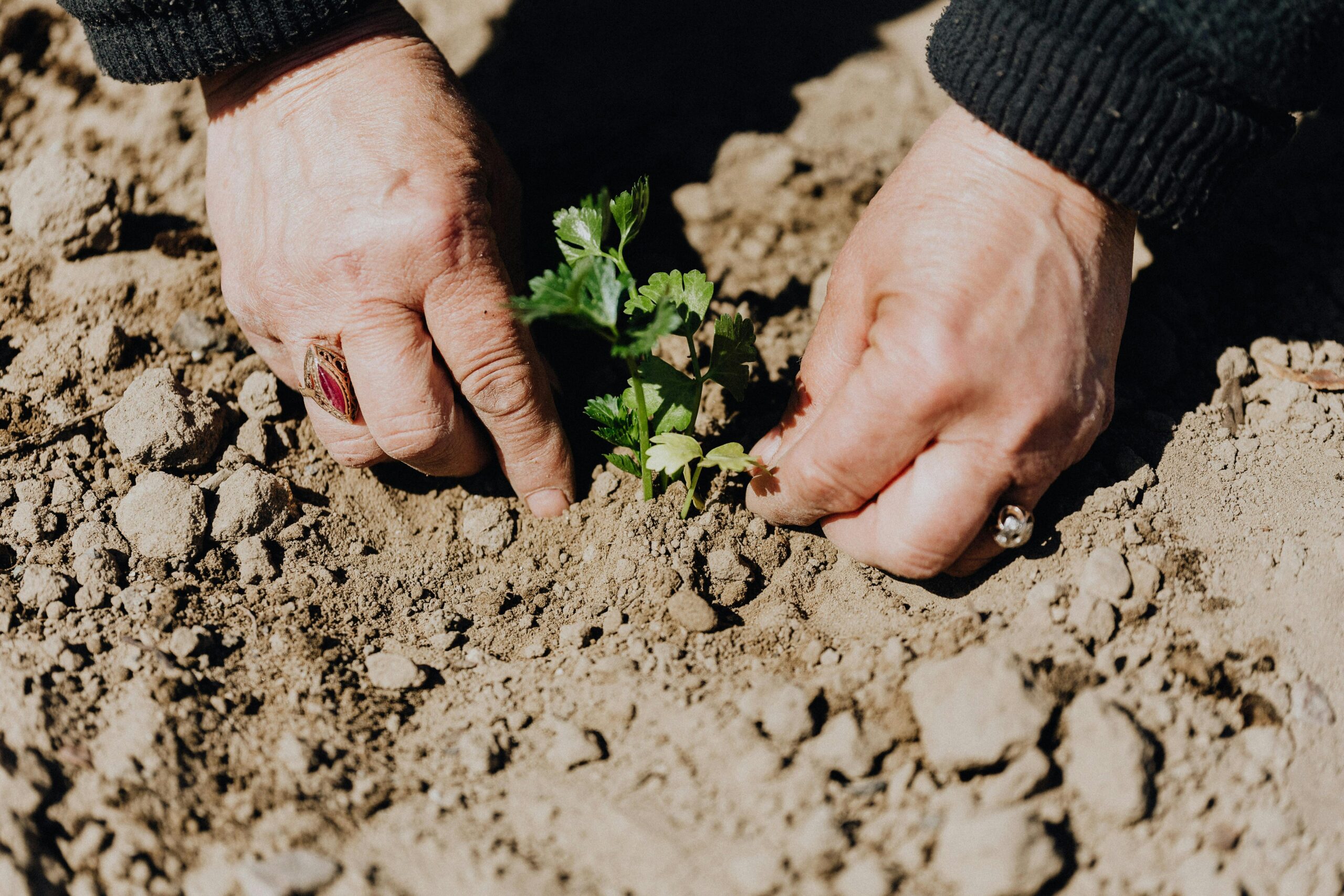
Once you’ve selected the flowers that will thrive in your garden, it’s time to plant them. Proper planting is crucial to giving your flowers the best start. Here’s how you can create the perfect environment for your blooms:
1. Prepare the Soil
Before planting, it’s essential to prepare the soil properly. This involves loosening the soil with a rake or spade, removing weeds and rocks, and adding organic matter like compost or well-rotted manure to enrich the soil. This ensures that the flowers have the nutrients they need to establish strong roots.
2. Follow Planting Instructions
Different flowers have different planting depths, so always follow the instructions on the seed packet or plant tag. Most flowers should be planted at a depth roughly twice the size of the seed. For young plants, dig a hole that’s deep enough to cover the roots fully without crowding the plant.
3. Watering Right After Planting
Once your flowers are in the ground, water them thoroughly to help settle the soil around the roots. Be sure to water gently, especially if you’re using seeds, to avoid disturbing the soil. After planting, keep the soil moist but not soggy. The goal is to provide a steady, consistent supply of water without causing the roots to drown.
Caring for Your Flowers: The Art of Nurturing Growth
As your flowers begin to grow, they’ll need regular care and attention to ensure they thrive. Here’s how to keep your flowers healthy and growing strong:
1. Watering: Consistency is Key
Watering is one of the most important aspects of flower care. However, overwatering can be just as harmful as underwatering. The general rule is to water deeply, but infrequently, to encourage deep root growth. Aim to water your flowers in the early morning or late afternoon to avoid evaporation during the hottest parts of the day.
2. Fertilizing: Feeding for Vibrancy
Flowers, like any living organism, need food to grow and flourish. Fertilizing your flowers provides the necessary nutrients to ensure they stay healthy and vibrant. You can choose between organic fertilizers, like compost or fish emulsion, or synthetic fertilizers. A balanced, slow-release fertilizer is typically best for flowers, as it provides steady nutrition over time without overwhelming the plants.
Be mindful not to over-fertilize, as this can lead to lush foliage growth at the expense of flowers. Follow the instructions on the fertilizer packaging and only apply when necessary.
3. Pruning and Deadheading: Encouraging More Blooms
Pruning and deadheading (removing dead or spent flowers) are essential tasks that help maintain your flowers’ health and beauty. Regular deadheading encourages the plant to produce more blooms and prevents the plant from expending energy on seeds. Pruning helps shape the plant, removing damaged or diseased stems, and improves airflow, reducing the risk of fungal infections.
4. Protecting from Pests and Diseases
While flowers are generally resilient, they can still fall prey to pests and diseases. Regularly inspect your plants for signs of trouble, such as yellowing leaves, holes in the foliage, or discolored spots. If you notice any issues, address them immediately with organic or chemical treatments. You can also prevent problems by keeping your garden clean, removing debris, and using natural pest repellents like neem oil or insecticidal soap.
Harvesting the Beauty: Enjoying Your Blooming Garden
After all your hard work, the payoff comes when your flowers begin to bloom. The sight of vibrant colors unfurling in your garden is a testament to your care and dedication. You can cut flowers for vases and bring their beauty into your home or simply enjoy them in your outdoor space.
In addition to their visual beauty, many flowers have a delightful fragrance, and some even attract pollinators like bees, butterflies, and hummingbirds, creating a lively, dynamic ecosystem in your garden. Taking time to appreciate the delicate balance of life in your garden and witnessing your flowers’ full bloom can be one of the most satisfying experiences in the world.
Conclusion: The Joy of Growing Flowers
Cultivating flowers is more than just a gardening activity—it’s a way of connecting with nature and participating in the ongoing cycle of life. From selecting the right flowers to nurturing them into full bloom, every step is an opportunity to learn and grow. And in return, the flowers reward you with their beauty, fragrance, and the knowledge that you’ve helped bring new life into the world.
Whether you’re looking to fill your garden with colorful blooms, attract pollinators, or simply find peace in the act of nurturing, growing flowers offers an experience like no other. With patience, dedication, and a little bit of love, your flowers will grow, bloom, and enrich your life for seasons to come. So grab your gardening tools and start planting—you never know what beautiful blooms await.

