Crabapples: A Tree for All Seasons
Crabapples, often overlooked in favor of their larger, sweeter relatives, are a tree species that can truly shine in any garden or landscape. Known for their vibrant blooms, stunning fall colors, and year-round appeal, crabapple trees offer much more than meets the eye. Whether you’re an avid gardener, a wildlife enthusiast, or simply someone looking for a tree to enhance your property, the crabapple might just be the perfect choice.
In this article, we explore the many benefits of crabapples, how to care for them, and why they are a tree for all seasons—offering beauty, functionality, and ecological value throughout the year.
A Glimpse Into the Crabapple Tree’s History and Varieties
Crabapple trees (Malus spp.) are part of the same genus as domestic apples, but they differ in their fruit size and flavor. The fruit of a crabapple tree is typically smaller, sour, or tart in flavor, often too bitter to eat raw but perfect for making jellies, preserves, or sauces. With a long history that dates back to ancient times, crabapples were highly valued for their ornamental appeal, medicinal properties, and their ability to cross-pollinate apple orchards.
Today, crabapple trees come in numerous varieties, each with its own distinct features. Some common varieties include:
- Malus ‘Donald Wyman’: Known for its large, bright red fruits and deep green leaves, this variety is one of the most widely planted crabapples in North America.
- Malus ‘Red Jewel’: A compact variety with striking red fruits that persist throughout the winter, offering year-round interest.
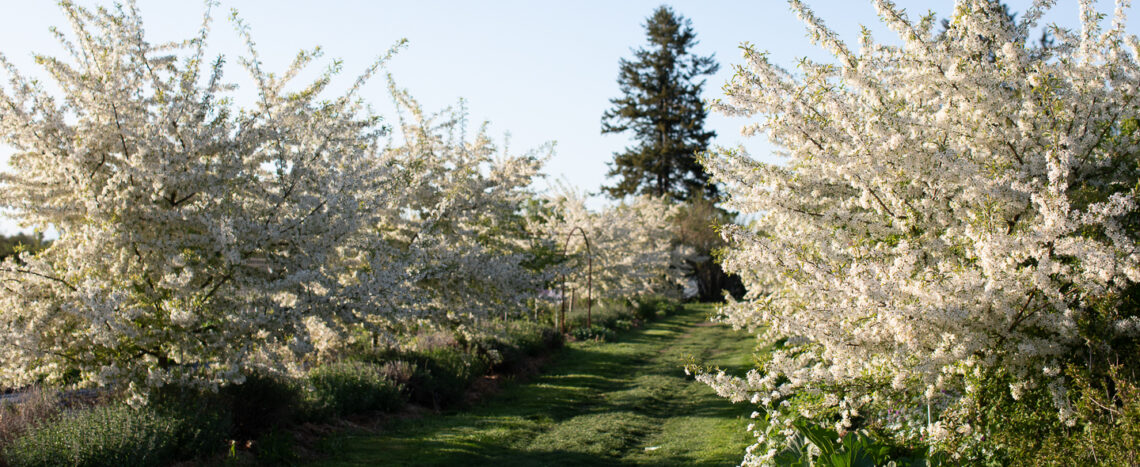
- Malus ‘Spring Snow’: Recognized for its pure white blossoms and minimal fruit production, making it a favorite for gardeners seeking a more ornamental tree.
- Malus ‘Golden Raindrops’: This variety features yellow-gold fruits that add a splash of color to the garden, and its small stature makes it ideal for urban gardens.
Crabapples in Spring: A Burst of Color
One of the most enchanting aspects of crabapple trees is their stunning spring bloom. Starting in early to mid-spring, crabapple trees come to life with clusters of fragrant blossoms in shades of white, pink, and red. These blooms often appear before the leaves, creating a beautiful contrast that heralds the arrival of warmer weather.
In addition to their beauty, the spring flowers are a vital resource for pollinators, especially bees. Crabapple trees provide an early nectar source, supporting the health of local pollinator populations. The combination of stunning flowers and ecological value makes crabapples a popular choice for gardens focused on sustainability and biodiversity.
Crabapples in Summer: Foliage and Shade
Once the blooms have faded, crabapple trees continue to contribute to the landscape with their lush green foliage. The leaves of many crabapple varieties are dense and glossy, providing a rich canopy of shade that can help cool your garden during the hot summer months.
Some crabapples also exhibit interesting bark textures, with peeling or exfoliating bark adding visual interest and texture to the tree. As the summer progresses, the tree’s small fruits begin to develop, hanging like jewels among the leaves. Though these fruits are often too sour to enjoy fresh, they serve an important ecological function by attracting birds and other wildlife.
Crabapple trees also have a reputation for being relatively low-maintenance, requiring only occasional pruning to maintain their shape and health. Unlike other fruit trees, crabapples are generally resistant to many common pests and diseases, making them a great choice for gardeners looking for a hardy and resilient tree.
Crabapples in Fall: A Fiery Finale
Fall is when the crabapple tree truly begins to show off. As the temperature drops, the tree’s foliage turns vibrant shades of yellow, orange, and red, creating a fiery display that rivals the best fall foliage. The small fruits that were once green or yellow gradually ripen, turning bright red, orange, or even purple, depending on the variety.
These colorful fruits persist into the winter months, providing an attractive contrast to the bare branches. While they may be too tart to eat fresh, crabapple fruits can be harvested for a variety of culinary uses, from making apple cider to crafting homemade jelly. Many gardeners even leave the fruits on the tree, as they provide an important food source for birds and other wildlife throughout the winter.
In addition to their ornamental appeal, crabapples are also valuable for soil health. As the tree sheds leaves in the fall, the fallen organic matter can enrich the soil and promote biodiversity, making crabapples a sustainable choice for your garden.
Crabapples in Winter: A Tree That Keeps Giving
While many trees go dormant in the winter, crabapples offer winter interest by holding onto their fruits. These fruits provide a much-needed food source for birds like robins, cedar waxwings, and northern flickers, who depend on them when other food sources are scarce.
The bare branches of the tree, highlighted by the bright red or yellow fruits, can create a striking silhouette against the winter sky. The resilience of crabapple trees during the colder months makes them an excellent choice for gardeners who want year-round appeal in their landscape.
How to Care for Crabapple Trees
Caring for a crabapple tree is relatively easy, though a few key considerations can help ensure its longevity and health. Here are some essential tips for keeping your crabapple thriving:
- Planting Location: Choose a sunny location with well-draining soil. Crabapples prefer full sun to produce the best blooms and fruits.
- Watering: While crabapple trees are drought-tolerant once established, they will thrive with regular watering, especially during dry spells. Water the tree deeply to encourage deep root growth.
- Pruning: Prune your crabapple tree in late winter or early spring to remove dead or damaged branches. This will promote better air circulation and prevent disease.
- Fertilizing: While not overly demanding, crabapples benefit from an annual application of balanced fertilizer in the spring to support growth and blooming.
- Pest and Disease Management: Crabapple trees are relatively resistant to pests and diseases, but occasional issues like apple scab or fire blight may arise. Keep an eye out for early signs of trouble and manage them promptly to prevent widespread damage.
Conclusion: The Crabapple Tree—A True Gem of the Landscape
From their striking spring blooms to their colorful fall fruit, crabapples offer beauty, functionality, and ecological value throughout the entire year. These hardy trees are a favorite of gardeners and wildlife alike, providing an array of benefits that make them a true asset to any landscape. Whether you’re seeking a tree for its aesthetic appeal, its ability to attract pollinators, or its contribution to local wildlife, the crabapple tree truly is a tree for all seasons.
So, as you plan your garden or landscape, consider adding a crabapple tree to your property. Not only will you be enhancing the beauty of your space, but you’ll also be supporting local ecosystems and enjoying the tree’s many seasonal gifts. With a crabapple, the beauty and benefits of nature are never out of reach.