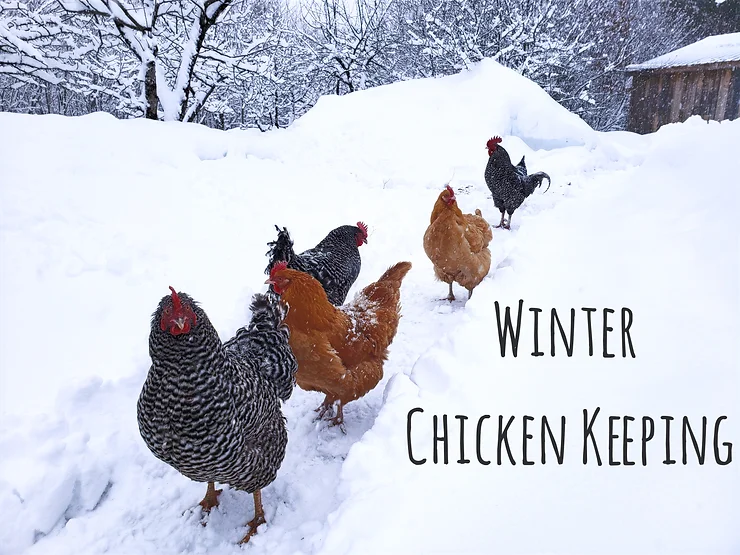
Winter Chicken Keeping: A Comprehensive Guide to Protecting Your Flock
As winter approaches, chicken keepers everywhere face the challenge of maintaining a healthy, happy flock despite the cold, snow, and shorter days. Chickens are hardy creatures, but they still need some extra care and attention during the colder months to ensure they stay comfortable and productive. Whether you’re a seasoned poultry keeper or a beginner, this comprehensive guide will provide you with practical tips and strategies to help you manage your chickens through the winter months and ensure they thrive when the temperatures drop.
1. Preparing the Coop for Winter
A well-prepared coop is essential for keeping your chickens warm, dry, and safe during the winter. Here are some steps to ensure your coop is winter-ready:
Insulation
Chickens are surprisingly resilient in cold weather, but they are sensitive to drafts. Insulating the coop can help keep the temperature more stable. Consider adding insulation to the walls and ceiling of the coop using materials like foam boards, straw bales, or fiberglass insulation. However, avoid completely sealing the coop because chickens still need good ventilation to prevent moisture buildup.
Ventilation
Proper ventilation is crucial even in winter. While you want to minimize drafts, you also want to ensure there’s enough airflow to prevent the buildup of excess moisture and ammonia, which can lead to respiratory issues for your chickens. Make sure to add small ventilation holes near the roofline or on opposite sides of the coop. A small, adjustable window can also help regulate airflow.
Bedding
Layering your coop with a good amount of bedding material, such as straw, wood shavings, or hemp, can help keep chickens warm and dry. The bedding will also act as insulation for the floor. As chickens scratch around in their bedding, it will naturally help to insulate and insulate them from the cold ground. Be sure to add fresh bedding regularly to prevent dampness, as moisture can lead to frostbite and illness.
2. Keeping Chickens Warm and Comfortable
While chickens have a natural ability to regulate their body temperature, extreme cold can still be a concern. Here’s how to keep your flock comfortable:
Heating the Coop
Although chickens don’t need heat if they are provided with adequate shelter and bedding, extreme cold (especially in areas with below-freezing temperatures) may require supplemental heat. A safe, low-wattage heat lamp or a ceramic heater can be placed in the coop to keep the temperature from dropping too low. If you do use a heat source, ensure it’s installed safely and that there are no fire hazards.
Important: Avoid using a heat lamp that could easily cause a fire. It’s safer to use a ceramic heater, which produces heat without a visible light source. Always ensure that chickens can escape the heat source if they become too warm.
Water Supply
In freezing temperatures, water can quickly turn to ice, which is a serious problem for your chickens. Make sure they always have access to fresh water by using heated waterers or water bowls that can withstand freezing. These can be plugged in to provide a constant source of warm water. Alternatively, you can bring water to the chickens several times a day, but heated waterers will save you time and effort.
Protecting From Frostbite
Frostbite, particularly on combs and wattles, is a common issue for chickens in winter. To prevent this, ensure your chickens are well-protected from the cold wind. Applying a layer of petroleum jelly or a specialized ointment to the combs and wattles can help protect them from frostbite. Be sure to regularly inspect your chickens for signs of frostbite, especially after particularly cold spells.
3. Managing Lighting and Egg Production
In winter, daylight hours are short, which can affect your chickens’ laying patterns. Most chickens need 14-16 hours of light to stimulate egg production. Without enough natural daylight, their egg production may slow down or stop completely.
Artificial Lighting
To maintain consistent egg production, consider using artificial light in the coop. You can use a timer to provide light for about 16 hours a day, ensuring your chickens get enough light to keep laying. Use low-wattage, safe LED lights, and position them to avoid overheating. However, be mindful of not over-stimulating your chickens, as long periods of artificial light can sometimes cause stress.
Provide Proper Nutrition
Chickens’ nutritional needs also change during the winter. To help them maintain their energy and body heat, offer a high-quality, balanced poultry feed that provides all the essential vitamins and minerals. You can supplement their diet with extra protein, like mealworms or other high-protein treats, to ensure they stay strong through the colder months. Fresh greens or scratch grains can also be offered in moderation, but make sure they are not replacing their primary feed.
4. Chicken Behavior in Winter
Chickens’ behavior can change in winter due to the reduced daylight and colder weather. Here are some tips on how to address these changes:
Increased Pecking
As space becomes more confined, chickens may become bored and exhibit pecking behavior. Make sure the coop is spacious enough for all your birds and provide plenty of enrichment activities to keep them occupied. Hanging cabbage, providing treats like corn or sunflower seeds, or using chicken toys can help alleviate boredom and reduce aggression.
More Resting
In colder months, chickens tend to rest more often. This is normal as they conserve energy. Make sure they have plenty of space to roost and stay off the cold floor. Providing ample roosting bars at different heights can give your chickens a comfortable place to rest while also promoting good airflow.
Introducing New Birds
Winter can be a challenging time to introduce new birds to your flock, as they will be more confined inside due to the weather. If you’re adding new hens, do it during a time when they can be housed separately for a few days before introducing them. This allows them to get used to each other and reduces the risk of aggression or disease transmission.
5. Winter Safety for Chickens
Aside from keeping your chickens comfortable in the coop, there are a few additional safety tips to consider:
Predator Protection
In winter, predators like foxes and raccoons may be hungrier and more active as they search for food. Ensure that your coop is secure with predator-proof fencing and an enclosed run. Double-check for any gaps or weak spots where predators might get in. If possible, lock your chickens inside the coop at night to provide extra protection.
Free-Range Time
If you allow your chickens to free-range during the winter, make sure they have access to shelter in case of storms. However, be mindful that deep snow or freezing rain can make free-range time dangerous for chickens. It’s often safer to keep them in the coop and run during particularly harsh weather.
Conclusion: Happy, Healthy Chickens All Winter Long
Winter chicken keeping requires a bit more effort, but the rewards are worth it. With proper preparation, your chickens can stay healthy, productive, and comfortable throughout the colder months. From insulating the coop to ensuring fresh water and providing extra care for their health, winter doesn’t have to be a struggle for your flock. By following these tips, you’ll help your chickens thrive, ensuring that they stay happy and healthy well into the spring. With careful attention, your chickens will keep laying eggs, stay warm, and continue to be the backbone of your homestead, even in the coldest months.

