Early Spring Flower Care: When and How to Deadhead for Continuous Blooms
Early spring is a magical time in the garden—buds start to open, fresh green shoots emerge, and colorful flowers begin to brighten up the landscape. However, to keep those blooms coming throughout the season, it’s essential to master the art of deadheading. Removing spent flowers not only keeps your garden looking tidy but also encourages plants to produce more blooms and direct energy into healthy growth.
In this article, we’ll dive deep into the benefits of deadheading, the best techniques for early spring flowers, and how to time it correctly for maximum bloom production. Whether you’re growing annuals, perennials, or flowering shrubs, this guide will help you unlock the full potential of your early spring garden.
1. Why Deadheading is Crucial in Early Spring
Deadheading is more than just a cosmetic touch—it plays a vital role in the overall health and longevity of flowering plants. Here’s why it matters:
✅ Encourages More Blooms
- When a flower fades and begins to produce seeds, the plant redirects energy from blooming into seed production.
- Removing the spent bloom forces the plant to focus on creating new flowers rather than setting seeds.
- This encourages continuous flowering throughout the season.
✅ Improves Plant Health
- Spent flowers and seed heads can attract pests and diseases.
- Deadheading reduces the risk of fungal infections and pest infestations by keeping the plant clean and well-aerated.
✅ Maintains Garden Aesthetics
- Deadheading keeps your garden looking tidy and well-maintained.
- Removing faded blooms helps highlight the vibrant new flowers and prevents the plant from looking leggy or overgrown.
✅ Prevents Self-Seeding
- Some flowers, like columbine and cosmos, readily self-seed.
- While this can be beneficial in a naturalized garden, too much self-seeding can lead to overcrowding and competition for nutrients.
2. When to Deadhead Early Spring Flowers
Timing is everything when it comes to deadheading. In early spring, plants are emerging from winter dormancy and just beginning to put out new growth. Deadheading too early or too aggressively can stress the plant. Here’s how to time it right:
🌸 Early Bloomers (Late Winter to Early Spring)
- Crocuses, snowdrops, and early daffodils are among the first to bloom.
- Remove faded flowers promptly to redirect energy into root and foliage growth.
- For bulbs, let the foliage die back naturally before cutting it down—this allows the plant to store energy for next year.
🌷 Mid-Spring Bloomers
- Tulips, hyacinths, and primroses will bloom as the weather warms.
- Deadhead individual flowers as soon as they fade to encourage more buds.
- For tulips and daffodils, avoid cutting back the leaves until they turn yellow and start to wilt.
🌼 Perennials and Flowering Shrubs
- Early-blooming perennials like peonies and bleeding hearts benefit from careful deadheading after their first flush of blooms.
- For shrubs like lilacs and azaleas, deadhead once the flowers start to brown to prevent the plant from setting seeds.
- This promotes better blooming in the following year.
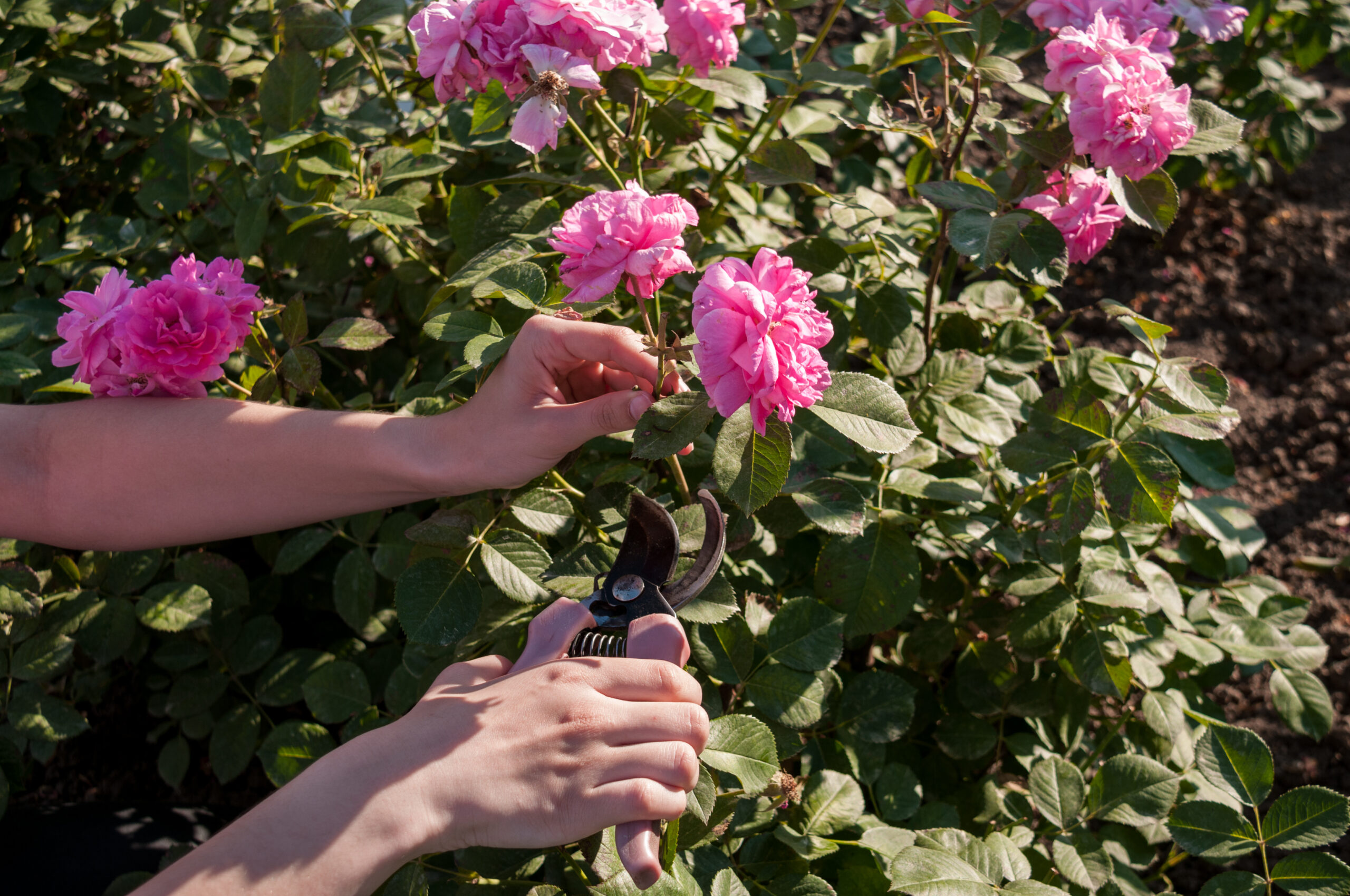
🌹 Roses
- Climbing and shrub roses often produce their first blooms in early spring.
- Remove spent blooms just above the first set of healthy leaves.
- For repeat-blooming roses, consistent deadheading will keep flowers coming throughout the season.
3. How to Deadhead Properly
Effective deadheading involves more than just snapping off a bloom—precision and care ensure the plant responds positively. Here’s how to do it right:
✂️ Tools You’ll Need
✔️ Sharp garden scissors or pruners
✔️ Clean gloves
✔️ A small bucket or basket for collecting clippings
🪴 Step-by-Step Deadheading Guide
- Identify the Right Spot
- Follow the stem down from the spent flower until you reach the first set of healthy leaves or a new bud.
- For perennials like daisies and coneflowers, cut just above a set of healthy leaves.
- For branching flowers like petunias, snap off the faded bloom where it meets the stem.
- Make a Clean Cut
- Use sharp pruners or scissors to make a clean, angled cut.
- Avoid tearing or crushing the stem, as this can lead to disease entry points.
- Clean Up Foliage
- Remove any yellowing or damaged leaves to improve airflow and reduce the risk of mold or mildew.
- Collect the clippings and dispose of them in your compost pile or garden waste bin.
- Encourage New Growth
- After deadheading, give the plant a light feeding with a balanced fertilizer to promote fresh growth.
- Water the plant well, especially if the weather is dry or warm.
4. Best Flowers to Deadhead in Early Spring
Not all flowers need deadheading, but these early bloomers respond well to regular maintenance:
| Flower | Best Deadheading Method | Blooming Period |
|---|---|---|
| Daffodils | Snip off faded flowers, leave foliage until it dies back | Late winter to early spring |
| Tulips | Cut back the flower stem, leave leaves to die back naturally | Early to mid-spring |
| Primroses | Pinch off dead flowers at the base | Early to mid-spring |
| Pansies | Pinch off individual blooms | Early spring through late summer |
| Hyacinths | Cut back spent blooms, leave foliage intact | Early to mid-spring |
| Bleeding Heart | Cut off faded blooms to encourage more growth | Mid to late spring |
| Peonies | Deadhead after blooms fade, leave foliage intact | Mid-spring to early summer |
| Roses | Cut back to the first set of healthy leaves | Early spring through fall |
5. Common Deadheading Mistakes to Avoid
❌ Cutting too low – Cutting too far down the stem can remove developing buds.
❌ Over-pruning – Aggressive deadheading can stress the plant and reduce future blooms.
❌ Neglecting foliage – Removing dead flowers is important, but leaving damaged or diseased leaves can affect plant health.
❌ Skipping watering and feeding – Deadheading stimulates new growth, which requires water and nutrients.
6. Aftercare: What to Do After Deadheading
Once you’ve finished deadheading, your work isn’t done!
- Feed lightly – Apply a balanced fertilizer (10-10-10) to encourage new flower production.
- Monitor for pests – Fresh growth can attract aphids and other pests—use neem oil or insecticidal soap if needed.
- Maintain moisture – Early spring weather can be unpredictable; ensure consistent watering without over-saturating the soil.
- Mulch for protection – A light layer of mulch helps retain moisture and regulate soil temperature.
🌼 Conclusion
Deadheading is a simple yet powerful way to extend the blooming period of your early spring flowers and keep your garden looking fresh and vibrant. By understanding when and how to deadhead different types of flowers, you’ll encourage continuous blooms and healthier plants throughout the growing season. So grab your pruners, head into the garden, and give those early spring blooms the care they deserve. With the right touch, your garden will be bursting with color well into summer! 🌸🌿