Preparing Your Soil for Early Spring Planting: Tips for Maximum Yield
As winter fades and the first signs of spring emerge, it’s time for gardeners to turn their attention to soil preparation. Proper soil preparation in early spring sets the foundation for a successful growing season, ensuring that your plants have the nutrients, structure, and moisture they need to thrive. Whether you’re planting vegetables, flowers, or herbs, investing time into soil preparation will significantly increase your garden’s yield and overall health.
In this guide, we’ll cover the essential steps for early spring soil preparation, from testing and amending soil to improving structure and ensuring proper drainage. Follow these tips to maximize your harvest and enjoy a flourishing garden all season long.
1. Start with a Soil Test
Before you grab your shovel and start digging, it’s crucial to understand the current condition of your soil. A soil test provides a detailed analysis of the soil’s pH, nutrient levels, and organic matter content, helping you make informed decisions about amendments and fertilizers.
🌱 How to Test Your Soil:
- Purchase a soil test kit from a garden center or your local extension office.
- Collect soil samples from multiple areas of your garden (3–4 inches deep).
- Mix the samples and test them according to the kit’s instructions.
- If using a professional lab service, send your sample and wait for the detailed analysis.
✅ What to Look For:
- pH Levels: Most vegetables and flowers thrive in slightly acidic to neutral soil (pH 6.0–7.0).
- Nutrient Balance: Ensure the soil has sufficient nitrogen (N), phosphorus (P), and potassium (K).
- Organic Matter: Healthy soil should contain at least 3–5% organic matter for improved structure and moisture retention.
2. Clear and Clean the Planting Area
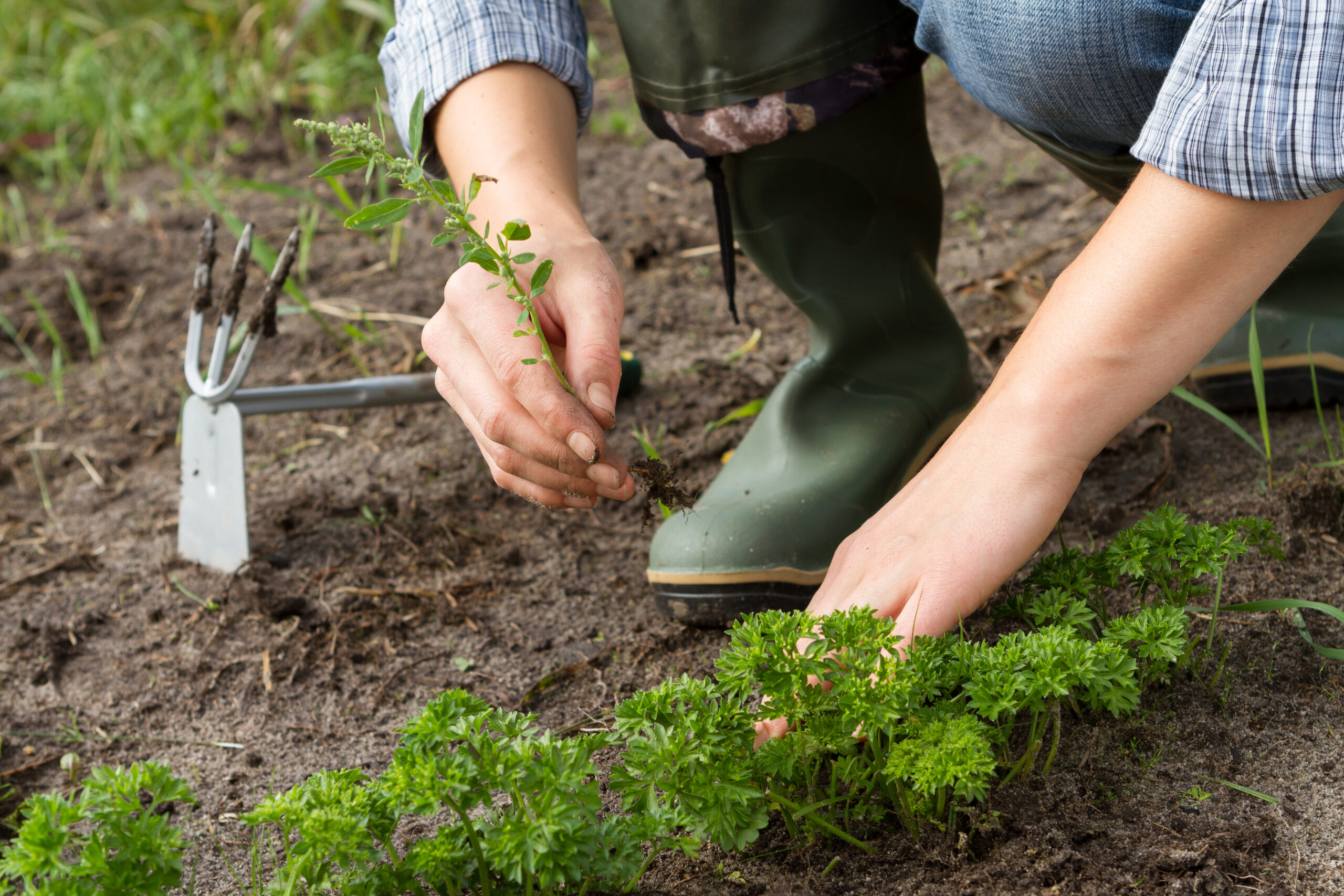
Early spring is the perfect time to remove any lingering debris and weeds that accumulated over winter. Leaving old plant material or weeds can harbor pests and diseases, which could impact your new crops.
🚜 Steps to Clean Your Garden:
✅ Remove dead plants, twigs, and leaves.
✅ Pull out weeds by the roots to prevent regrowth.
✅ Rake the soil surface to loosen compacted debris.
✅ If you had a cover crop over winter, cut it down and till it into the soil to add organic matter.
3. Improve Soil Structure
After a long winter, soil can become compacted, which restricts root growth and limits water infiltration. Loosening the soil and improving its structure helps create a welcoming environment for roots and beneficial microorganisms.
🌾 Techniques for Improving Soil Structure:
- Double Digging: Use a spade or garden fork to loosen the soil to a depth of 12–18 inches.
- Tilling: For larger plots, use a rototiller to break up the soil and create a fine seedbed.
- Aeration: If the soil is heavy clay, consider using a garden fork to create air pockets and improve drainage.
4. Add Organic Matter and Compost
Healthy soil is rich in organic matter, which improves fertility, structure, and moisture retention. Adding compost, aged manure, or leaf mold provides essential nutrients and beneficial microorganisms to the soil.
🌿 Best Organic Amendments for Early Spring:
| Amendment | Benefits | Application Rate |
|---|---|---|
| Compost | Improves structure, adds nutrients | 1–2 inches spread over soil surface and mixed in |
| Aged Manure | High in nitrogen, boosts microbial activity | 1–2 inches worked into soil |
| Leaf Mold | Improves moisture retention and adds texture | 1 inch as a top dressing or mixed in |
| Peat Moss | Lightens heavy soils and improves aeration | 1 inch mixed into topsoil |
| Worm Castings | Rich in nutrients and beneficial microbes | 1–2 pounds per 100 square feet |
5. Balance Soil pH
Soil pH affects nutrient availability and overall plant health. Adjusting pH levels in early spring gives the amendments time to take effect before planting.
🧪 How to Adjust Soil pH:
- To Raise pH (Reduce Acidity): Add lime (calcium carbonate) at a rate of 5–10 pounds per 100 square feet depending on test results.
- To Lower pH (Reduce Alkalinity): Add sulfur or peat moss at a rate of 1–2 pounds per 100 square feet.
- Test the soil again in 4–6 weeks to monitor changes.
6. Boost Nutrients with Fertilizers
Early spring is the time to provide a nutrient boost to your soil to support strong root development and early plant growth.
🌾 Best Fertilizers for Early Spring:
- Balanced All-Purpose Fertilizer (10-10-10): Ideal for vegetables and flowers.
- High Nitrogen Fertilizer: Promotes leafy growth for greens and early root development.
- Bone Meal (High in Phosphorus): Encourages strong root systems and flowering.
- Fish Emulsion: Provides a quick nitrogen boost and beneficial microbes.
👉 Apply fertilizer according to the manufacturer’s instructions and avoid overfeeding, which can lead to nutrient imbalances.
7. Ensure Proper Drainage
Poor drainage can lead to root rot, fungal infections, and stunted growth. If your soil tends to hold water, improving drainage is essential.
💧 How to Improve Drainage:
- Raise Garden Beds: Elevating the soil helps excess water drain away more quickly.
- Add Sand or Grit: Mixing sand or horticultural grit into heavy clay soil improves aeration and drainage.
- Install French Drains: For persistent drainage issues, install a French drain system to divert excess water away from the planting area.
8. Mulch to Retain Moisture and Suppress Weeds
After preparing the soil, adding a layer of mulch helps protect the soil from drying out and reduces weed growth.
🍂 Best Mulches for Early Spring:
- Straw: Light and easy to spread, ideal for vegetable gardens.
- Wood Chips: Perfect for flower beds and around shrubs.
- Pine Needles: Slightly acidic, ideal for blueberries and other acid-loving plants.
- Compost: Provides nutrients while improving soil structure.
👉 Apply mulch 1–2 inches deep, leaving space around plant stems to prevent rot.
9. Allow the Soil to Rest Before Planting
Once the soil is prepared, give it time to settle and activate. Waiting 1–2 weeks allows soil amendments to break down, improves microbial activity, and prevents soil compaction from heavy spring rains.
🌤️ Why Resting Matters:
- Prevents soil from becoming too loose or unstable.
- Allows beneficial microbes to establish themselves.
- Gives fertilizers and organic matter time to integrate with the soil.
✅ Final Checklist for Early Spring Soil Preparation
✔️ Complete a soil test and adjust pH levels.
✔️ Remove debris, weeds, and dead plants.
✔️ Improve structure through tilling, aeration, or double digging.
✔️ Add organic matter like compost and aged manure.
✔️ Fertilize based on soil needs.
✔️ Improve drainage with raised beds or sand.
✔️ Mulch to protect and retain moisture.
✔️ Let soil rest before planting.
🌾 Conclusion
Preparing your soil for early spring planting takes time and effort, but the payoff is well worth it. A well-balanced, nutrient-rich soil creates the ideal environment for roots to grow deep and plants to thrive. By following these steps, you’ll set your garden up for a season of vigorous growth and bountiful harvests. Take the time to care for your soil now, and you’ll be rewarded with healthy, productive plants all spring and summer long! 🌱🌸