Early Season Hay Planning: What to Do Now for a Better Harvest
Early spring calving is a strategic choice for many ranchers. With warmer temperatures on the horizon and fresh spring grass emerging, it can provide an optimal environment for both calves and cows. However, early spring also brings unpredictable weather, muddy conditions, and the need for vigilant herd management. Proper preparation and care are essential to ensuring strong, healthy calves and productive cows. Here’s what you need to know to make early spring calving a success.
1. Preparing for Calving Season
Calving success starts long before the first birth. Ensuring that cows are in good condition and facilities are ready will set the stage for a smooth season.
✔ Assess Cow Body Condition
- Cows should have a body condition score (BCS) of 5-6 before calving.
- Thin cows (BCS < 4) may have weaker calves and delayed breed-back cycles.
- Over-conditioned cows (BCS > 7) are prone to calving difficulties due to excessive fat deposits.
✔ Provide High-Quality Nutrition
- In the final trimester, cows need increased protein and energy intake to support fetal growth.
- Offer high-quality hay or pasture along with a well-balanced mineral supplement.
- Ensure adequate water intake—hydration is critical for a smooth calving process.
✔ Prepare a Clean, Dry Calving Area
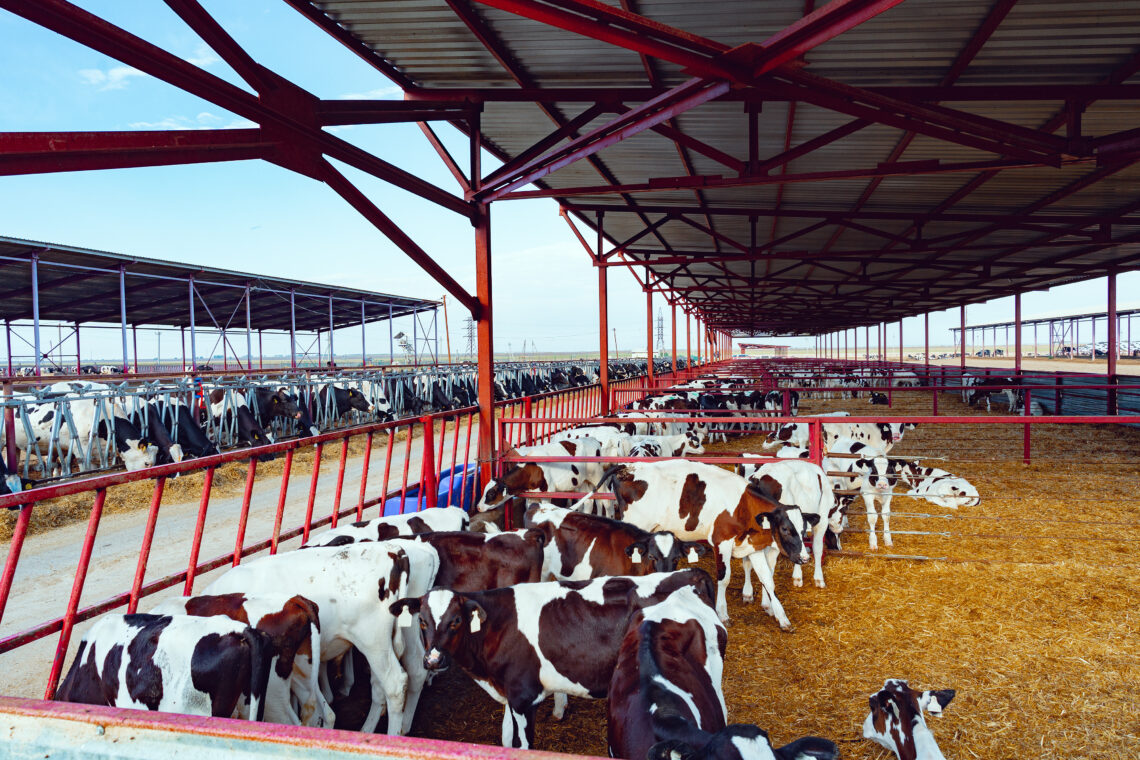
- Choose a well-drained location with ample shelter to protect newborn calves from cold rain and wind.
- If calving indoors, regularly clean and bed the area with dry straw to prevent bacterial infections.
- Rotate calving pastures to minimize disease buildup in high-traffic areas.
2. Recognizing Signs of Labor
Knowing when a cow is about to calve helps ensure timely assistance if needed.
✔ Common Signs of Imminent Calving:
- Swollen udder and colostrum production
- Vulva swelling and relaxation of pelvic ligaments
- Restlessness, frequent lying down and standing up
- Mucus discharge from the vulva
Once active labor begins, the calf should be delivered within 2-3 hours for heifers and 1 hour for mature cows. Longer durations may indicate calving difficulty (dystocia) and require intervention.
3. Assisting with Difficult Births
Most cows deliver without assistance, but in cases of dystocia, timely intervention is critical.
✔ When to Step In:
- The cow has been in active labor for over 2 hours with no progress.
- The calf is in an abnormal position (e.g., only one leg visible, breech).
- A prolapsed uterus or severe exhaustion occurs.
✔ Proper Intervention Steps:
- Always wear clean gloves to minimize infection risk.
- Use gentle traction to assist delivery—never pull too hard, as excessive force can injure both cow and calf.
- If the calf is stuck or improperly positioned, call a veterinarian or an experienced ranch hand for assistance.
4. Caring for the Newborn Calf
The first 24 hours are crucial for calf survival and long-term health.
✔ Ensure Colostrum Intake
- Calves should nurse within the first 2 hours of birth to absorb colostrum, which provides critical antibodies.
- Weak calves may need to be bottle-fed or tube-fed if they fail to nurse naturally.
- If using frozen colostrum, thaw it slowly in warm water to preserve nutrients.
✔ Monitor for Hypothermia
Spring weather is unpredictable, and cold snaps can be deadly for newborn calves.
- If a calf is shivering, lethargic, or has cold ears/mouth, take action immediately:
- Dry the calf thoroughly with towels or warm air.
- Place it under a heat lamp or warming box in extreme cases.
- Feed warm colostrum to help regulate body temperature.
✔ Navel Care to Prevent Infection
- Dip the umbilical cord in a 7% iodine solution to prevent navel infections (navel ill).
- Ensure calves are in a clean, dry environment to reduce bacterial exposure.
5. Post-Calving Cow Care
After birth, the cow’s recovery is just as important as calf health.
✔ Watch for Postpartum Complications
- Retained placenta (failure to expel placenta within 12 hours) can lead to serious infections.
- Milk fever (hypocalcemia) can affect high-producing cows—watch for muscle tremors or weakness.
- Metritis (uterine infection) may occur if the cow has a foul-smelling discharge and fever.
✔ Reintroduce Cows to Nutritional Maintenance
- Lactating cows require a diet rich in protein, energy, and minerals to support milk production.
- Continue providing adequate minerals, especially calcium, phosphorus, and magnesium.
- Ensure cows regain body condition for a strong rebreeding cycle in the coming months.
6. Managing Early Spring Calves
Calves born in early spring have unique advantages and challenges.
✔ Vaccination and Health Management
- Begin clostridial (Blackleg) vaccinations around 4-6 weeks of age.
- Consider scour vaccines for future seasons to prevent early calf diarrhea.
- Implement a deworming schedule to ensure strong growth rates.
✔ Branding, Tagging, and Castration
- Apply ear tags for identification within the first few days.
- Castrate bull calves between 1-3 months old for easier handling and reduced stress.
Conclusion
Early spring calving presents both opportunities and challenges, but with proper preparation, you can ensure a healthy, productive herd. From nutritional planning and facility preparation to calving assistance and newborn care, taking the right steps early on will lead to stronger calves, better breeding cycles, and a more profitable operation.
Are you gearing up for spring calving? Share your best practices and experiences in the comments below!