5 Late-Spring Garden Tasks You Shouldn’t Skip
As the season shifts from spring’s gentle bloom to summer’s full swing, your garden is on the edge of transformation. It’s easy to get caught up in the beauty of what’s already blooming, but late spring is not the time to coast. These final weeks before summer hits hard are critical to prep, protect, and position your garden for maximum health and beauty.
Here are 5 essential garden tasks to tackle before the summer sun really sets in:
1. Deadheading for More Blooms
Don’t let your flowers fizzle out early. Late spring is the perfect time to deadhead spent blooms—especially on annuals and perennials like petunias, daisies, and salvia. Removing faded flowers not only keeps things looking tidy but encourages plants to channel energy into producing new buds instead of setting seed.
Pro Tip: Use clean, sharp pruners and cut just above a healthy leaf node. Avoid just pinching unless you’re working with soft-stemmed varieties.
2. Feed Like You Mean It
By now, your plants have burned through much of the nutrients you gave them in early spring. Re-upping with a mid-season feed can make a world of difference—especially for vegetables, container plants, and heavy bloomers like roses.
- Use a balanced fertilizer (like 10-10-10) for overall health.
- For tomatoes and flowering plants, go with a bloom-boosting formula rich in phosphorus.
- Don’t forget your lawn—it might be due for a feeding, too.
Quick Reminder: Always water deeply before and after fertilizing to prevent root burn.
3. Mulch, Mulch, Mulch
If you haven’t mulched yet, now’s the time to do it—and if your spring mulch has thinned out or settled, it’s time to top it off. Mulch does triple duty: suppressing weeds, regulating soil temperature, and locking in moisture.
Stick with organic mulches like:
- Shredded bark
- Pine straw
- Chopped leaves
- Compost (especially good for vegetable gardens)
Aim for 2-3 inches, and keep mulch a few inches away from plant stems to avoid rot and pest issues.
4. Stake and Support
Tall perennials like delphiniums, peonies, and hollyhocks are growing fast—and so are tomatoes and beans. Late spring is your last easy window to add stakes, cages, or trellises before your plants outgrow your support systems.
Why now? Supporting them early prevents breakage and reduces disease risk by keeping foliage off the ground. Plus, it’s a lot easier to stake before a windstorm or a heavy rain makes a mess of things.
5. Plan Your Summer Successions
Some spring crops are nearing the end of their cycle—think spinach, lettuce, radishes. Now’s the time to:
- Pull them out as they bolt
- Prep that space for your summer crops (like beans, okra, cucumbers, or heat-tolerant greens)
- Direct-sow seeds or transplant young starts
This staggered approach keeps your garden productive all season long and helps you avoid that mid-summer lull.
Bonus Tip: Refresh soil with compost or a light layer of slow-release fertilizer between plantings to prevent nutrient depletion.
Final Thoughts
Late spring is a time of momentum—your garden’s been building energy all season, and now it’s time to channel that into sustainable growth. By staying just a little proactive now, you’ll be rewarded with stronger plants, longer blooms, and fewer headaches when the summer heat arrives.
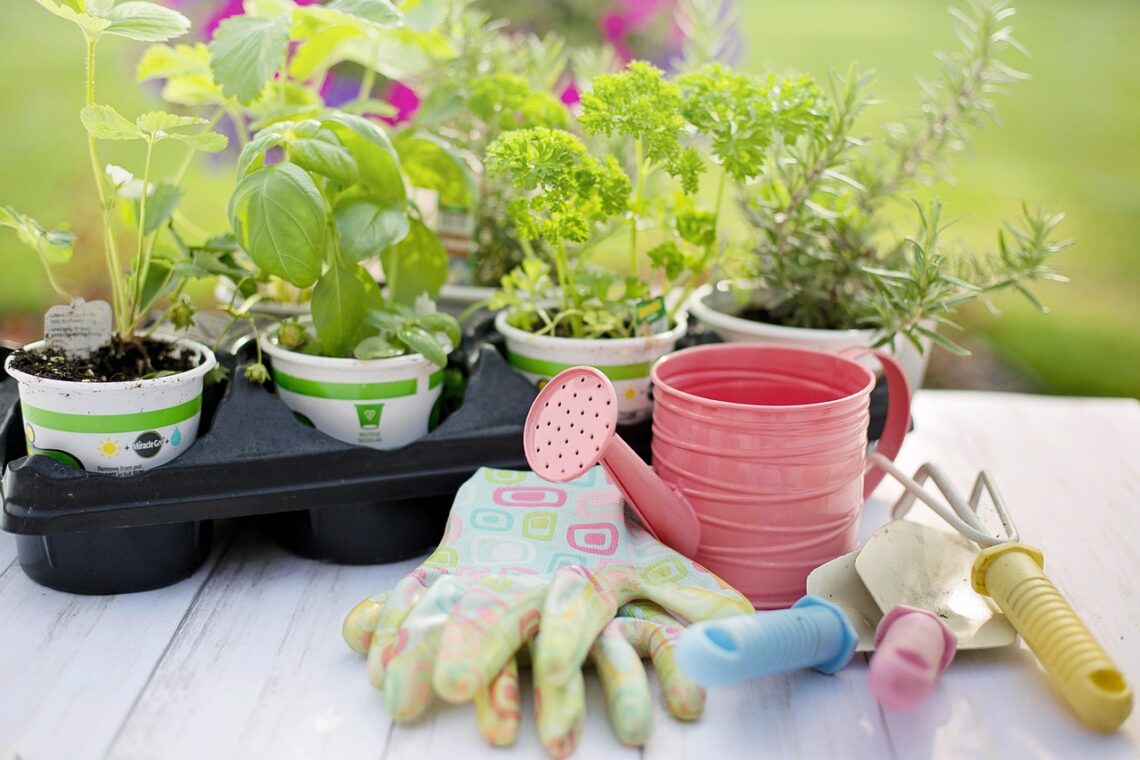
So grab your gloves, refill your watering can, and spend some time doing the small stuff that pays off big. Your garden—and your future self—will thank you.

