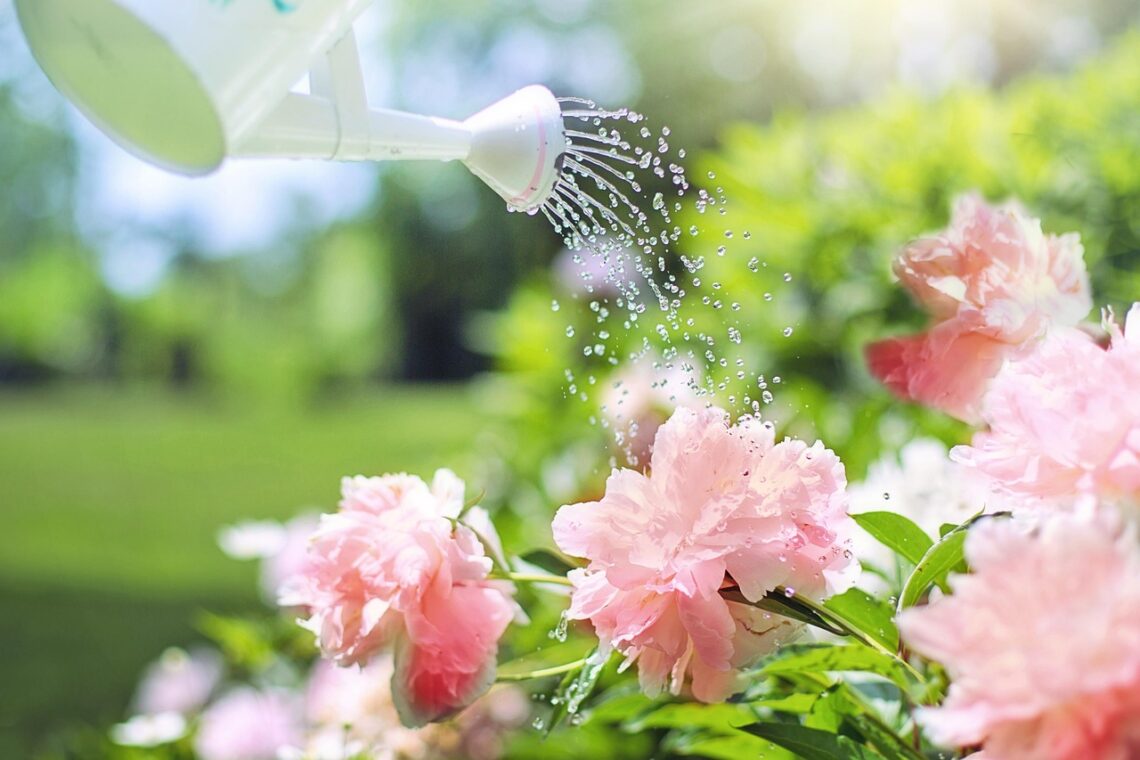
Beat the Heat: Watering Smarter as Summer Rolls In
As the mercury climbs and your garden starts feeling the stress of summer, watering becomes more than a routine chore—it becomes a strategy. And in many parts of the U.S., where drought and heatwaves are becoming regular visitors, smart watering is the only way to keep your plants thriving without sending your water bill through the roof.
Whether you’re tending a backyard vegetable patch, nurturing flower beds, or keeping a manicured lawn green, knowing when, how, and how much to water is key to beating the summer heat.
Let’s break it down.
1. Water Early, Water Deep
The golden rule of summer watering: water early in the morning—preferably before 9 a.m. This reduces water loss to evaporation and gives plants time to absorb moisture before the sun bears down.
Why not water in the evening?
While it might seem cooler, watering at night can leave foliage damp overnight, inviting fungal diseases—especially for veggies and ornamentals.
When you water, go deep. Shallow surface watering leads to weak root systems. Aim to moisten the soil to a depth of 6–8 inches for most plants. This encourages roots to grow downward, making plants more resilient during dry spells.
2. Mulch Is Your Garden’s Best Friend
If you haven’t mulched yet, now’s the time. A 2–3 inch layer of organic mulch—like shredded bark, straw, pine needles, or compost—locks in soil moisture, regulates soil temperature, and cuts down on weed competition.
Bonus: As organic mulches break down, they improve soil structure and fertility.
For veggie beds, consider using straw or dried grass clippings (as long as they’re untreated). Around ornamentals and shrubs, shredded bark works beautifully.
3. Know Your Soil Type
Different soil types hold water differently. Clay holds water longer but can become compacted. Sandy soil drains quickly but dries out faster. Loam (a happy medium) is ideal but rare.
- Clay soil? Water less frequently but more deeply.
- Sandy soil? Water more often, but in smaller doses.
- Amended garden beds? You’ll want to check soil moisture by feel or with a moisture meter to avoid over or under-watering.
4. Upgrade Your Watering Tools
Not all watering tools are created equal. If you’re still relying on a spray nozzle and your intuition, you’re probably wasting water.
Here are some smarter options:
- Soaker hoses deliver water directly to the base of plants, reducing waste and keeping foliage dry.
- Drip irrigation systems are perfect for veggie beds, raised beds, and even containers.
- Smart timers or Wi-Fi irrigation controllers allow you to automate watering schedules and adjust for rain.
Pro Tip: Invest in a rain gauge and a moisture meter. They’re inexpensive but help take the guesswork out of watering.
5. Group Plants by Water Needs
Grouping high-thirst plants (like tomatoes, cucumbers, and hydrangeas) separately from drought-tolerant varieties (like lavender, yarrow, and succulents) makes irrigation much more efficient. This is called hydrozoning, and it can save you time and water.
In containers, try pairing plants with similar water and sun needs to avoid over- or under-watering individual species.
6. Watch for Signs of Stress
During a heatwave, even well-watered plants can look a little sad in the afternoon sun. But there’s a difference between temporary heat wilt and genuine water stress.
Look for:
- Leaves wilting in the morning that don’t perk up by evening
- Leaves turning yellow or crispy
- Soil pulling away from the edges of containers
- Stunted growth or dropping buds/fruit
If you see these signs, it’s time to adjust your watering frequency or duration.
7. Rethink Your Lawn (Or Water Wisely)
Lawns are the thirstiest parts of the average American yard. If you’re dedicated to keeping yours green through summer:
- Water early morning
- Aim for 1 inch per week, including rainfall
- Mow high—longer grass shades the soil and retains moisture better
- Sharpen mower blades to reduce stress on grass
Or consider going partial native or drought-tolerant with your landscaping to reduce dependency on irrigation altogether.
Final Thoughts
Smart watering isn’t just about conservation—it’s about helping your plants grow stronger, your yard look better, and your garden survive those hot July days without skipping a beat. By understanding your soil, setting a schedule, and using the right tools, you can work with nature instead of against it.
So as summer rolls in, don’t just turn on the hose—water with intention. Your plants (and your wallet) will thank you.

